Safety is a sequence, not a verdict on every stranger
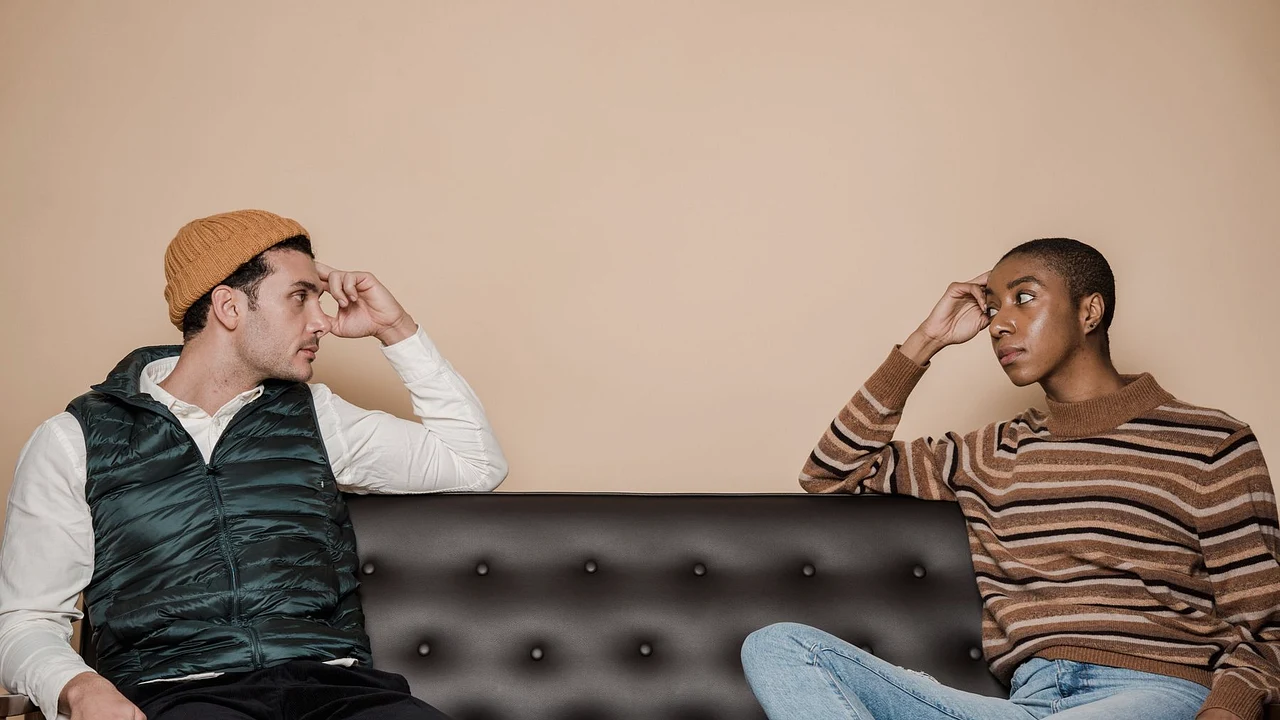
Online dating asks two things to happen at once. A person must reveal enough to make connection possible while protecting the information and access that have not yet been earned. The answer is not to treat every match as dangerous or every polished profile as trustworthy. It is to move one layer at a time.
A profile, several warm messages and even a video call can show useful information. None proves identity, intentions, financial honesty or how someone responds to a boundary. Online chemistry can be real while verification remains incomplete. Safety is the structure that lets curiosity continue without making one hopeful impression carry more certainty than it can.
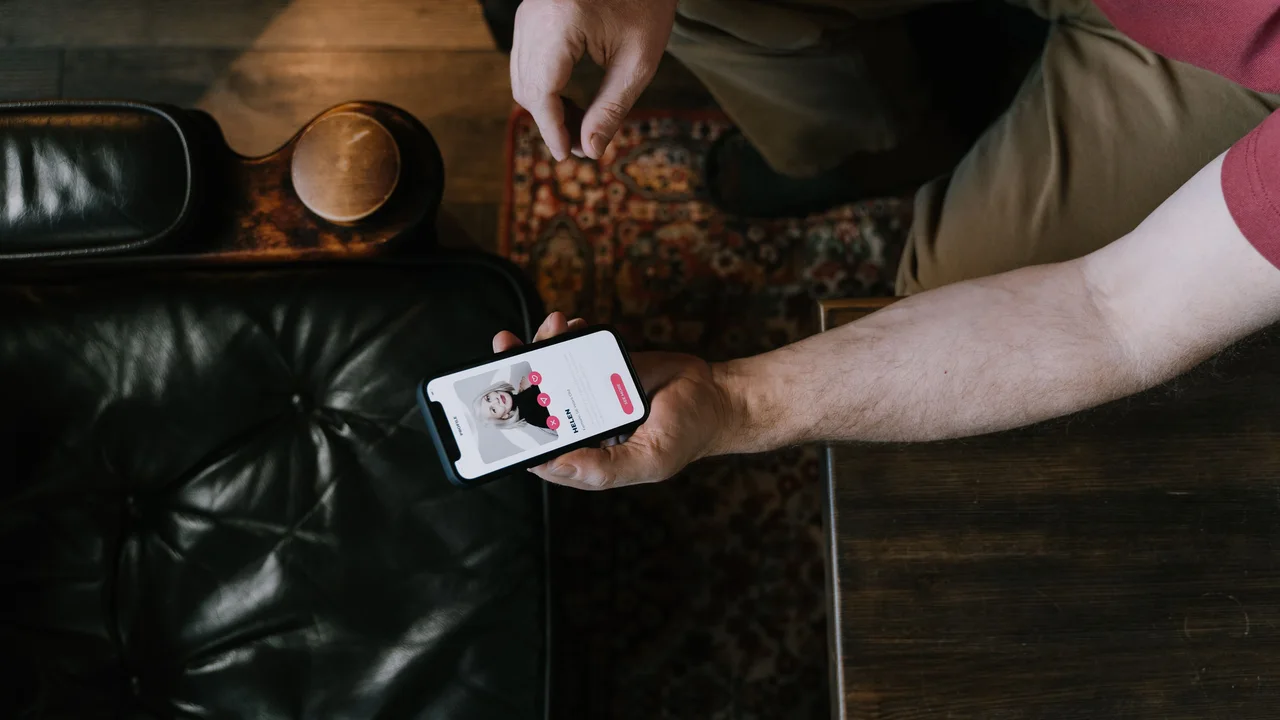
Your profile may reveal a map you never meant to publish
A first name, job title, suburb, familiar uniform, running route and photograph reused from social media can be combined. A reverse image search may lead from a dating picture to a public account containing a surname, workplace, family members or regular location. One clue may be harmless; the combination can identify far more than the profile appears to say.
Australia's eSafety Commissioner recommends avoiding pictures already used on social media and reviewing what other information a photograph exposes. Use the least identifying version of your work and location that still feels honest. Check whether public accounts reveal your phone number, address, daily routine or family. A dating profile needs enough truth for consent, not a complete directory of your life.
The first safety layer can disappear when the chat moves
Dating platforms are not perfect safety systems, but many provide in-app messaging, calling, blocking and reporting. Moving immediately to a private messenger can reveal a phone number or connected profile and may remove the conversation from the platform's moderation tools. If the account later vanishes, another service may have less context for the report.
There is no universal number of days that makes moving safe. The useful question is what benefit the move creates and what access it gives away. Keep the conversation inside the app while you are still establishing basic consistency. If you later change channels, choose a method that does not expose more identity information than you intend and preserve the original profile details.
Verification works in layers because no single check is magic
Ask ordinary questions and notice whether answers remain consistent. Search a name or distinctive profile phrase. Use a reverse image search when a picture seems copied or unusually polished. An in-app voice or video call can confirm that a live person broadly resembles the profile and can reduce some uncertainty before a meeting.
None of those checks proves character. A real face can still belong to someone seeking money, control or sex without consent. A reverse image search can miss an original or altered photograph. A video call can be brief, staged or misleading. Verification should increase confidence gradually; it should never convert one successful check into unlimited trust.
Pressure is a stronger warning signal than one awkward detail
People forget dates, phrase messages strangely and feel nervous on camera. One imperfect detail is not a safety diagnosis. Concern rises when a pattern appears: rushing emotional commitment, insisting on secrecy, refusing reasonable verification, pushing the chat away from the app, demanding constant access or retaliating when you slow the pace.
Watch what happens after a small no. A respectful person may be disappointed or curious, but they do not need to punish, threaten, guilt or frighten you into compliance. eSafety lists pressure for nudes, rapid love bombing and pressure to meet before you feel ready among online-dating warning signs. The response to a boundary reveals more than a perfectly written profile.
A romance that becomes an investment pitch has changed category
Relationship scammers may build frequent contact and emotional trust before introducing cryptocurrency, a trading platform or an apparently exclusive opportunity. A small early withdrawal or a convincing balance on a website can be part of the design. The displayed profit does not prove that the investment or the person is genuine.
Scamwatch warns that romance-baiting schemes can make a fake investment appear successful, then demand larger deposits or extra payments to release the money. Do not take financial advice from a person known only online. Check any investment independently through official registers and contact details you find yourself, not links supplied inside the relationship.
Money, accounts and identity documents need a hard boundary
Do not send money, cryptocurrency, gift cards, banking details, passwords, one-time codes or identity documents to a person you only know online. An emergency story does not make an unverified transfer safe. Do not receive or forward money for them, open an account in your name, buy equipment, accept a parcel or transport an item you have not independently verified.
The Australian Federal Police warns that romance scammers may involve people in money laundering or drug transport as well as direct financial theft. A request can arrive after months of apparently caring contact, which is why the rule must exist before the story becomes urgent. Love does not require acting as a bank, courier, investor or identity provider for someone who will not be independently verified.
Intimate-image pressure changes the risk immediately
Consent to flirt, date or join a video call is not consent to send a nude. Repeated pressure, sexual threats or an attempt to make affection conditional on an image are reasons to stop. Even a private message or live video can be saved or recorded. An in-app disappearing-image feature cannot guarantee that content will remain private.
If an intimate image is shared or threatened without consent, that is image-based abuse. If the threat demands money, more images or another act, it is sexual extortion. The wrongdoing belongs to the person making the threat, including when the image was originally shared willingly. Shame should never be allowed to turn their offence into the target's secret.
If sexual extortion begins, paying is not the exit
eSafety advises stopping contact, not paying and not sending more intimate material. Preserve the threatening messages, account profile, usernames, phone numbers, payment details, dates and reports. Take screenshots of the threat and profile without forwarding the intimate file to additional services. Report the account on the platform before blocking it.
Adults in Australia can report shared intimate content to eSafety for help with removal. People under 18 should report to the Australian Centre to Counter Child Exploitation. If money has already been sent, contact the bank or transfer service immediately. Call 000 if physical safety is at immediate risk. Telling one trusted person can turn a panic-driven decision into a supported response.
Design the first meeting so leaving does not require permission
Choose a busy public place and remain there. Share the person's profile, the meeting location and the expected finish time with someone you trust. Arrange a check-in and keep the phone charged. Travel independently or keep control of the return journey. Do not allow a last-minute location change to turn a public plan into a private home, isolated car or unfamiliar address.
An easy exit is not an insult to the match. It protects both people from feeling trapped and makes a short meeting genuinely short if the connection is not right. eSafety recommends telling a trusted person, sharing identifying profile details, meeting where other people are present and retaining access to a charged phone. Safety works best when it is organised before excitement or politeness can rewrite the plan.
In-person consent remains specific and reversible
Matching, flirting, buying a drink, travelling to the venue or agreeing to one kind of touch does not create consent to anything else. Consent must remain voluntary and can be withdrawn. A person does not owe a longer date, transport, access to their home or sexual activity because the conversation went well online.
Keep control of food and drinks, notice unexpected changes in how you feel and ask venue staff or a trusted person for help if needed. Leave when you want to leave. If the other person blocks an exit, follows you, threatens you, pressures sexual activity or makes you afraid, prioritise distance and help rather than a polite explanation. Call 000 in immediate danger.
A good first date does not require handing over the home address
Trust after meeting can still grow in stages. Consider what a lift home, shared live location, tagged photograph or predictable routine reveals. A person can seem genuine and still be too new to know where you live, when you are alone or how to reach your workplace. Use another public meeting while the relationship is still being established.
If contact becomes unwanted, save evidence before blocking, tighten account privacy and tell people who may need to know. Do not meet privately to demand an explanation from someone who has frightened or threatened you. Stalking, impersonation, doxing and repeated abusive contact require platform, eSafety or police support matched to the behaviour.
If a warning becomes an incident, act in the right order
First protect immediate safety. Then preserve messages, profile links, usernames, phone numbers, transaction receipts and dates. Report the account to the platform. If money was sent, contact the bank immediately and report the scam to Scamwatch. Change exposed passwords, turn on multi-factor authentication and contact IDCARE if identity information may have been compromised.
Report online crime through ReportCyber or local police when appropriate, and call 000 for immediate danger. For image-based abuse or serious online harm, use eSafety's reporting pathways. Avoid deleting an account before necessary evidence is saved. You do not need to conduct your own confrontation or investigation to deserve help.
Support works better than asking how somebody could fall for it
Relationship fraud is not a single foolish click. It can involve months of attention, rehearsed stories, isolation and pressure. Australian Institute of Criminology interviews with online-fraud victims documented financial, emotional, psychological, physical and relationship harms. Anger and ridicule can push a targeted person deeper into secrecy.
If a friend is worried, ask what requests have been made and look at the evidence together. Avoid humiliating them or ordering an immediate confrontation. Scamwatch emphasises that scammers can be highly convincing and that victimisation is not the target's fault. Practical help with a bank call, platform report, password change or support service is more useful than proving who saw the danger first.
Use a sixty-second safety check before access increases
Before moving the chat, sharing a new detail, sending an image, transferring anything or changing the meeting plan, pause. What new access does this give? Can the person be checked independently? Is urgency replacing time to think? Have they respected a smaller boundary? Does a trusted person know what is happening?
Then choose the smallest next step that keeps control: remain on the app, make an in-app call, meet in public, decline the request or stop contact. Online dating does not become safe because every risk has been eliminated. It becomes safer when hope is allowed to grow at the same speed as evidence.
Sources and further reading
- eSafety Commissioner: Online dating privacy, warning signs and meeting safety ↗
- eSafety Commissioner: Before meeting an online match in person ↗
- eSafety Commissioner: Responding to sexual extortion ↗
- Scamwatch: Relationship scam warning signs and response steps ↗
- Scamwatch: 2026 campaign on spotting relationship scams ↗
- Scamwatch: Investment scams and romance baiting ↗
- Australian Federal Police: Romance fraud, money laundering and transport risks ↗
- Australian Institute of Criminology: Reporting experiences and support needs after online fraud ↗
- 1800RESPECT: Healthy relationships, warning signs and 24-hour support ↗
- eSafety Commissioner: Reporting serious online abuse and image-based abuse ↗
- Pexels: Dating-app photograph by cottonbro studio ↗
This article was written for Curiosity Desk. We do not copy other publishers or invent quotes. If a material error is found, we correct it openly.
Read the full standards →One answer should lead to a better question
Bring your curiosity to the group
Curious Minds is our public Facebook community for surprising science, strange history, Australian wildlife and everyday questions. No copied posts, no personal-friend invitations and no link dumping.
- Three self-contained discussion prompts each week
- Sourced answers and honest uncertainty
- Respectful conversation without spam