Australian Curiosity · Wildlife
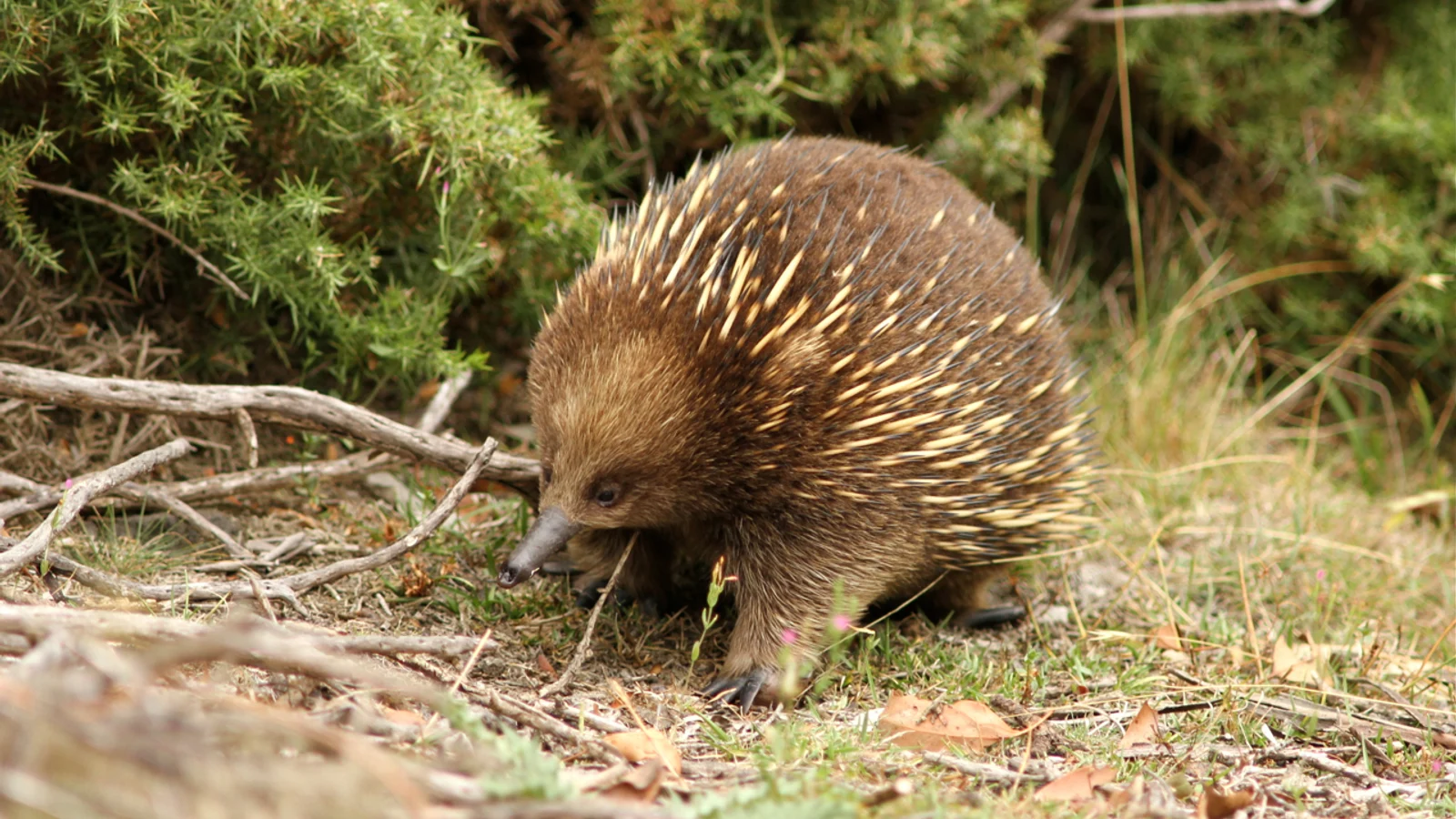
Why echidnas lay eggs but still count as mammals
An echidna hatches from a soft egg, then depends on months of milk released through pores in its mother's skin. Both parts belong to one mammalian story.
The living world
Animals, plants, oceans, landscapes and living systems, with the real mechanism behind each surprise.
33 published storiesNewest first
Australian Curiosity · Wildlife
An echidna hatches from a soft egg, then depends on months of milk released through pores in its mother's skin. Both parts belong to one mammalian story.
World Explained · Nature
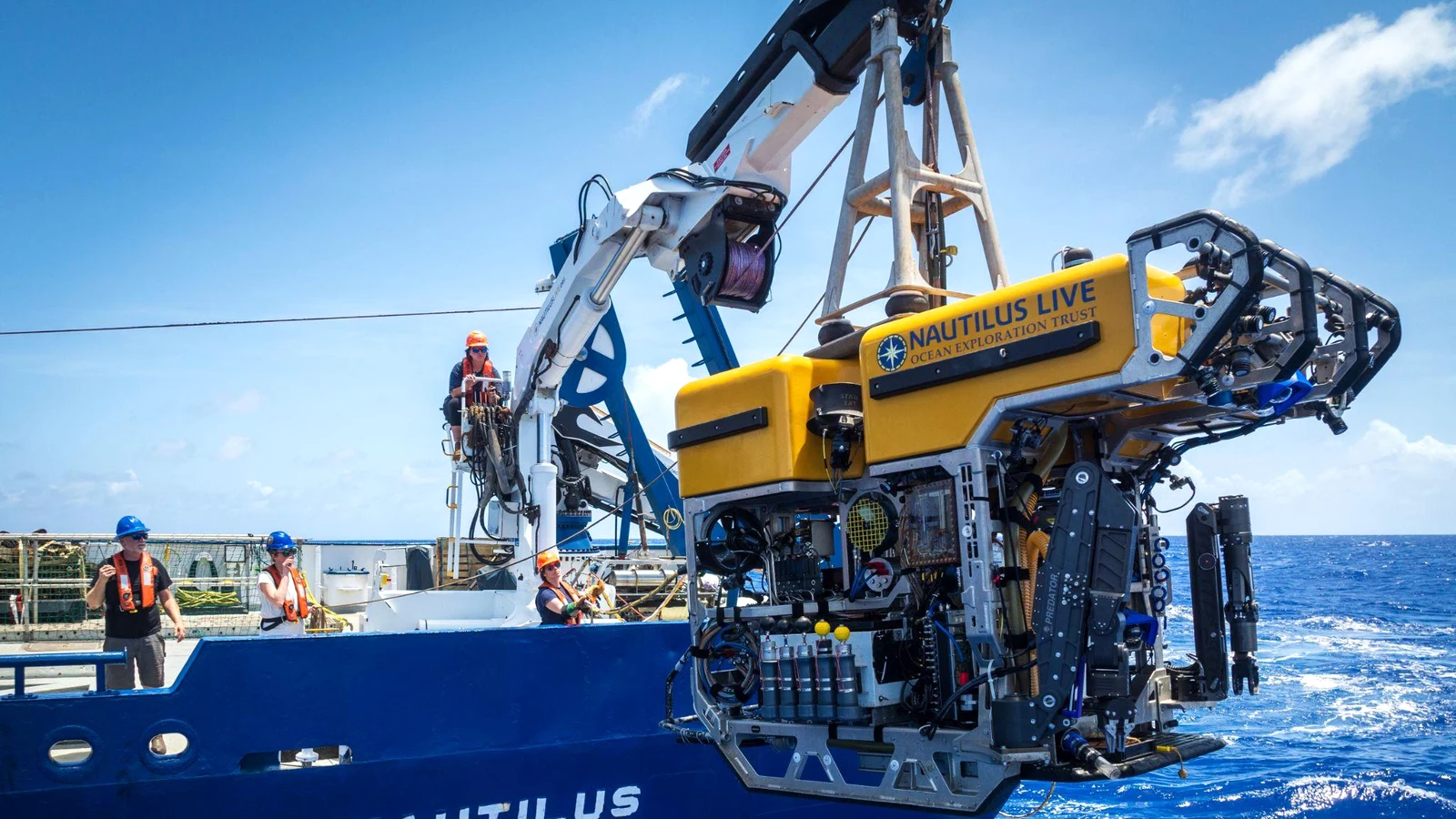
NOAA's 2026 Wake Island expedition pairs broad sonar maps with ROV video, sensors and georeferenced observations—separating planned exploration from published discoveries.
World Explained · Ocean science
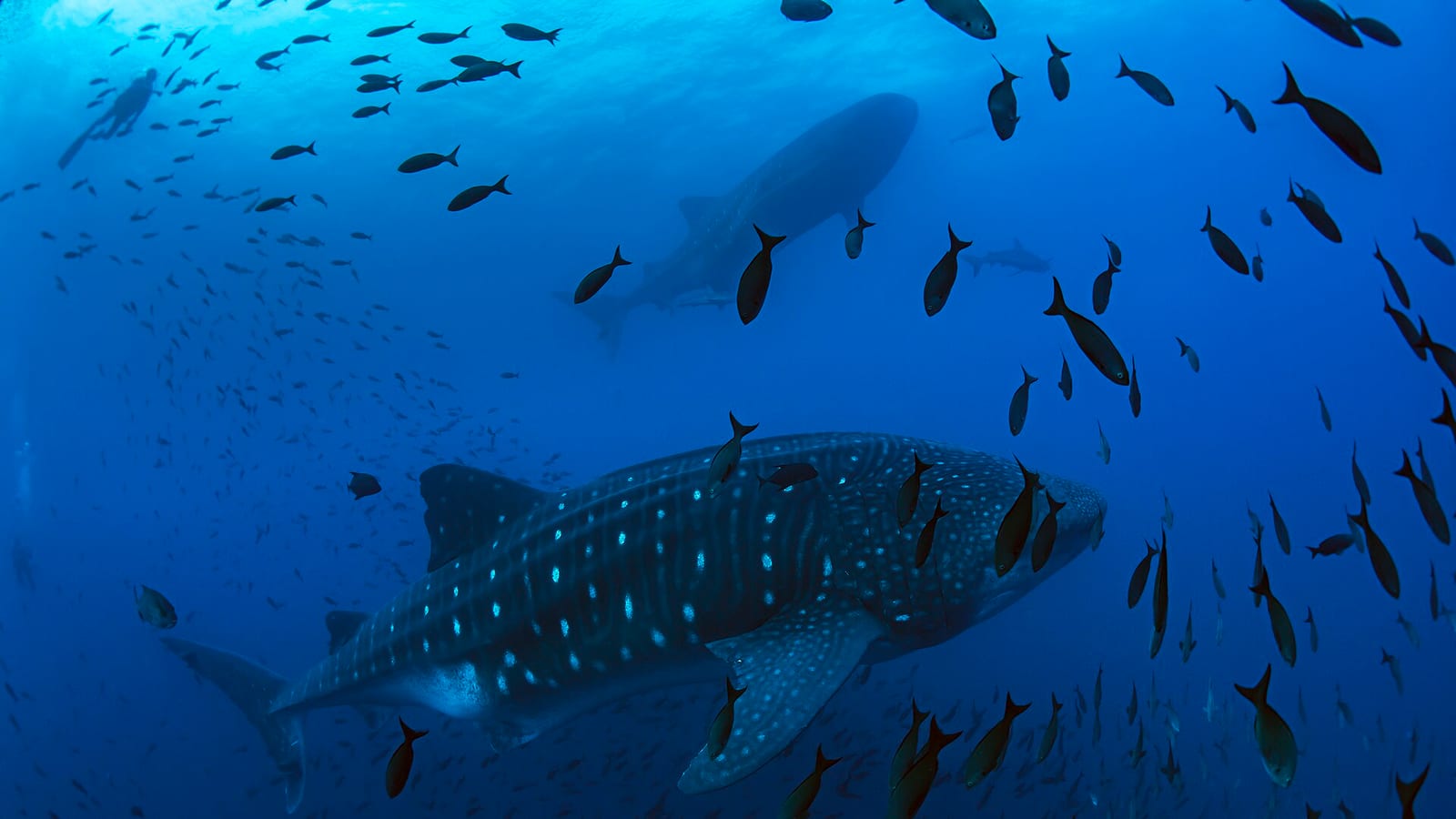
There are more than 500 described shark species. Their different shapes show how one cartilaginous fish blueprint has adapted to feeding and living in very different waters.
World Explained · History and landscapes
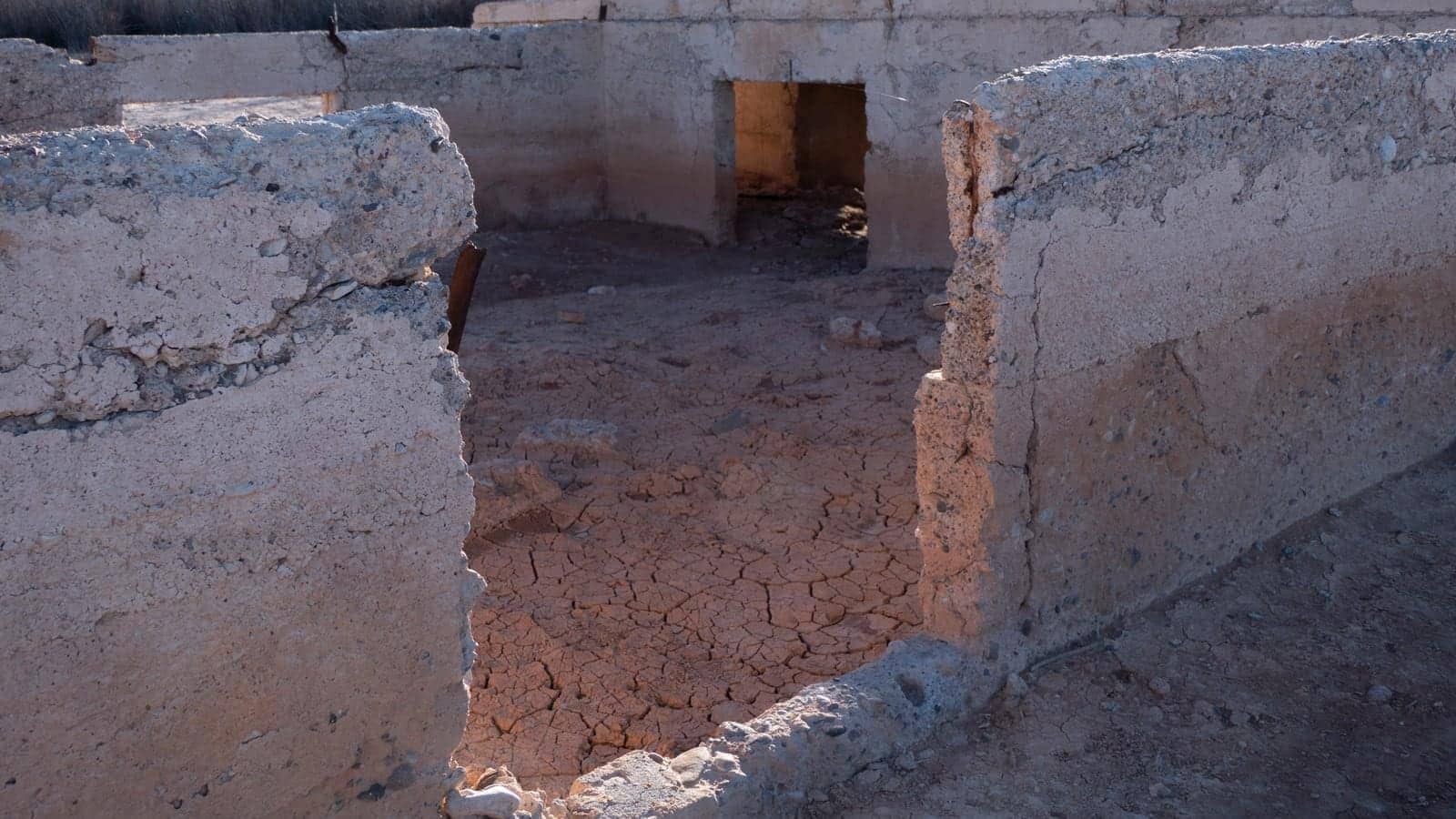
St Thomas was deliberately evacuated and flooded as Lake Mead filled. Falling water later exposed its roads and foundations, turning reservoir level into a moving history line.
World Explained · Animals and optics
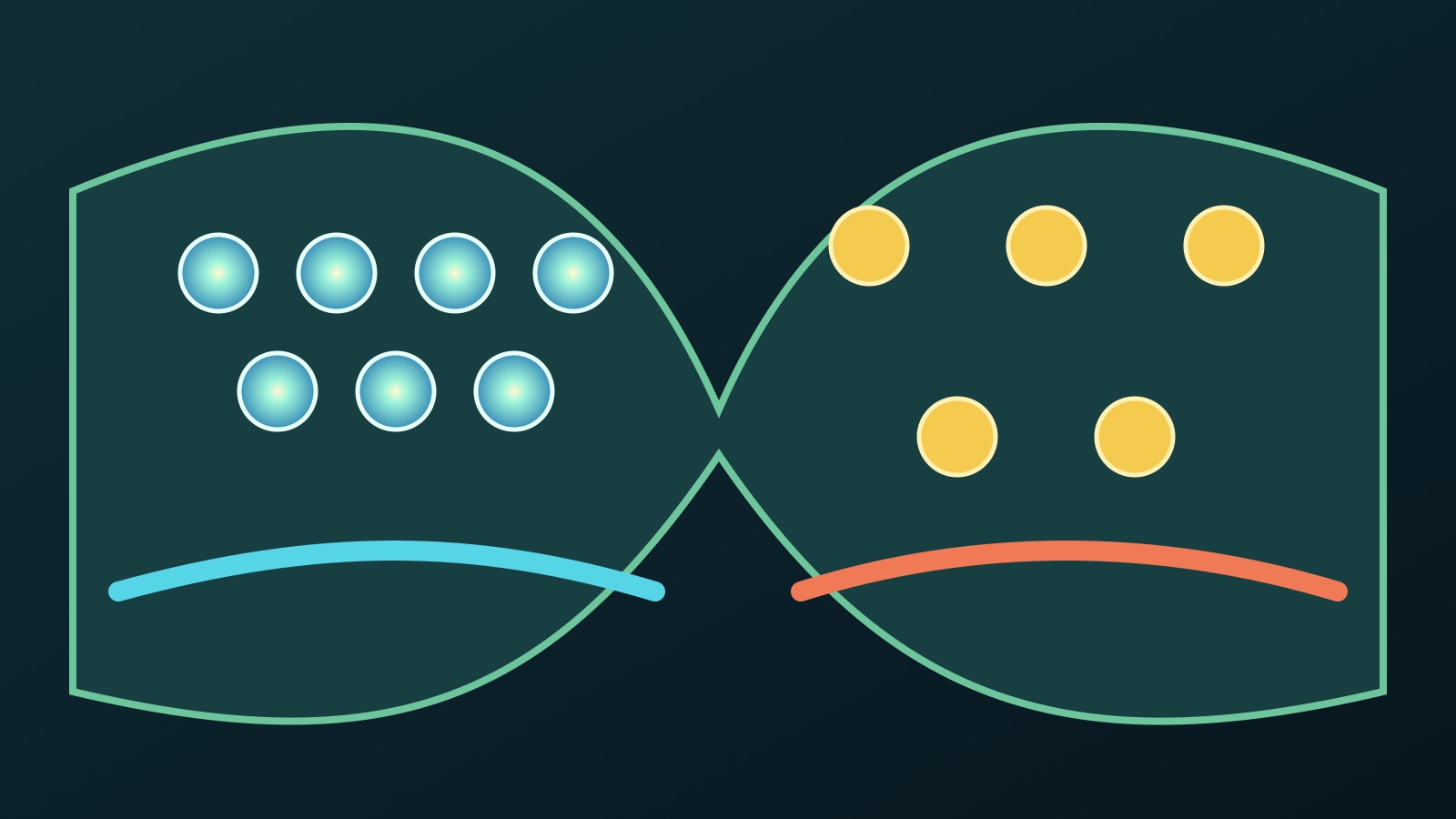
Panther chameleons tune the spacing of guanine nanocrystals in specialised skin cells, shifting which wavelengths reinforce one another and return as colour.
World Explained · Animals and materials
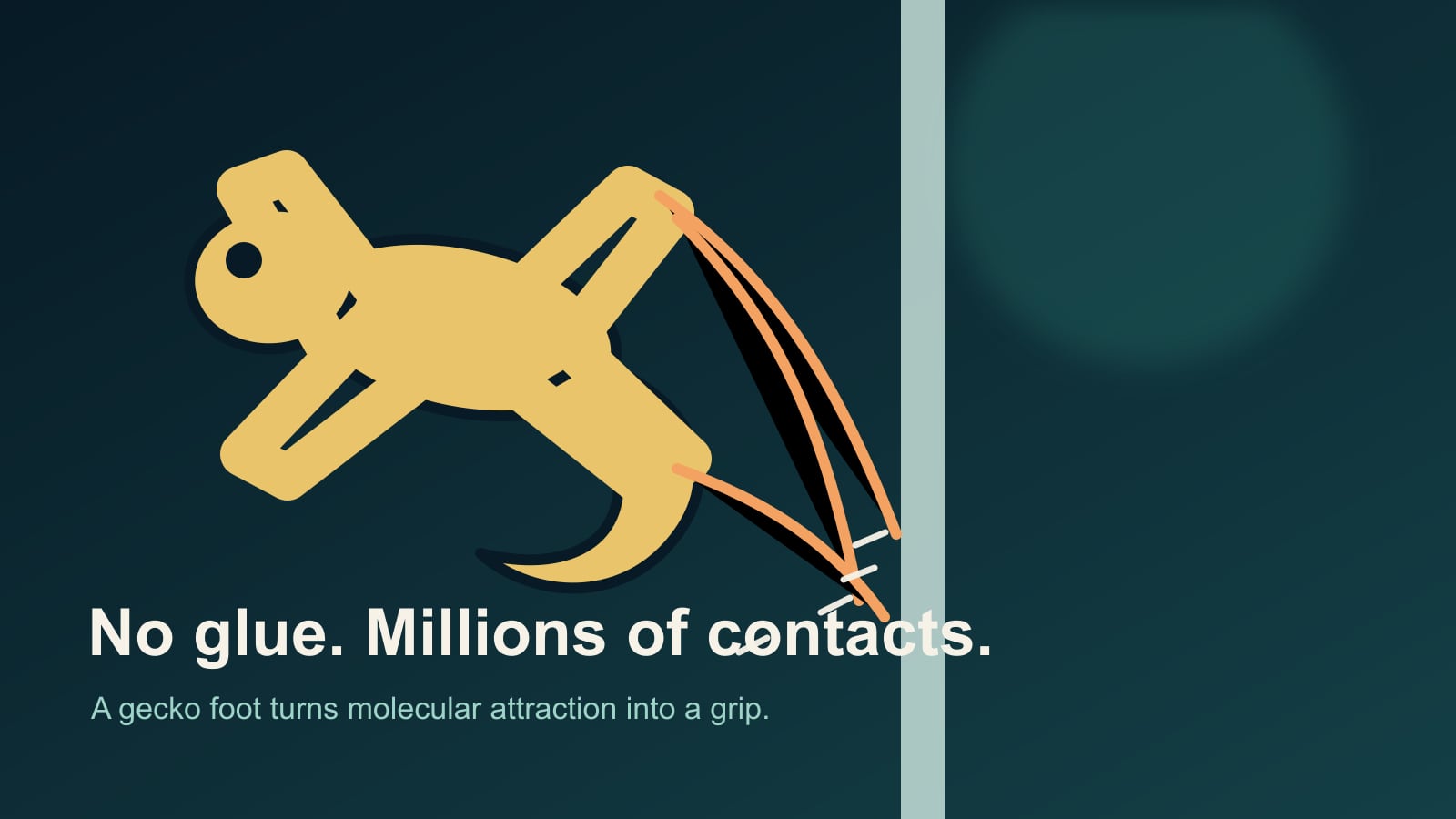
Gecko toes use branching hairs to approach a surface closely enough for van der Waals attraction. Angle, cleanliness and texture decide whether the grip works.
World Explained · Earth and nature
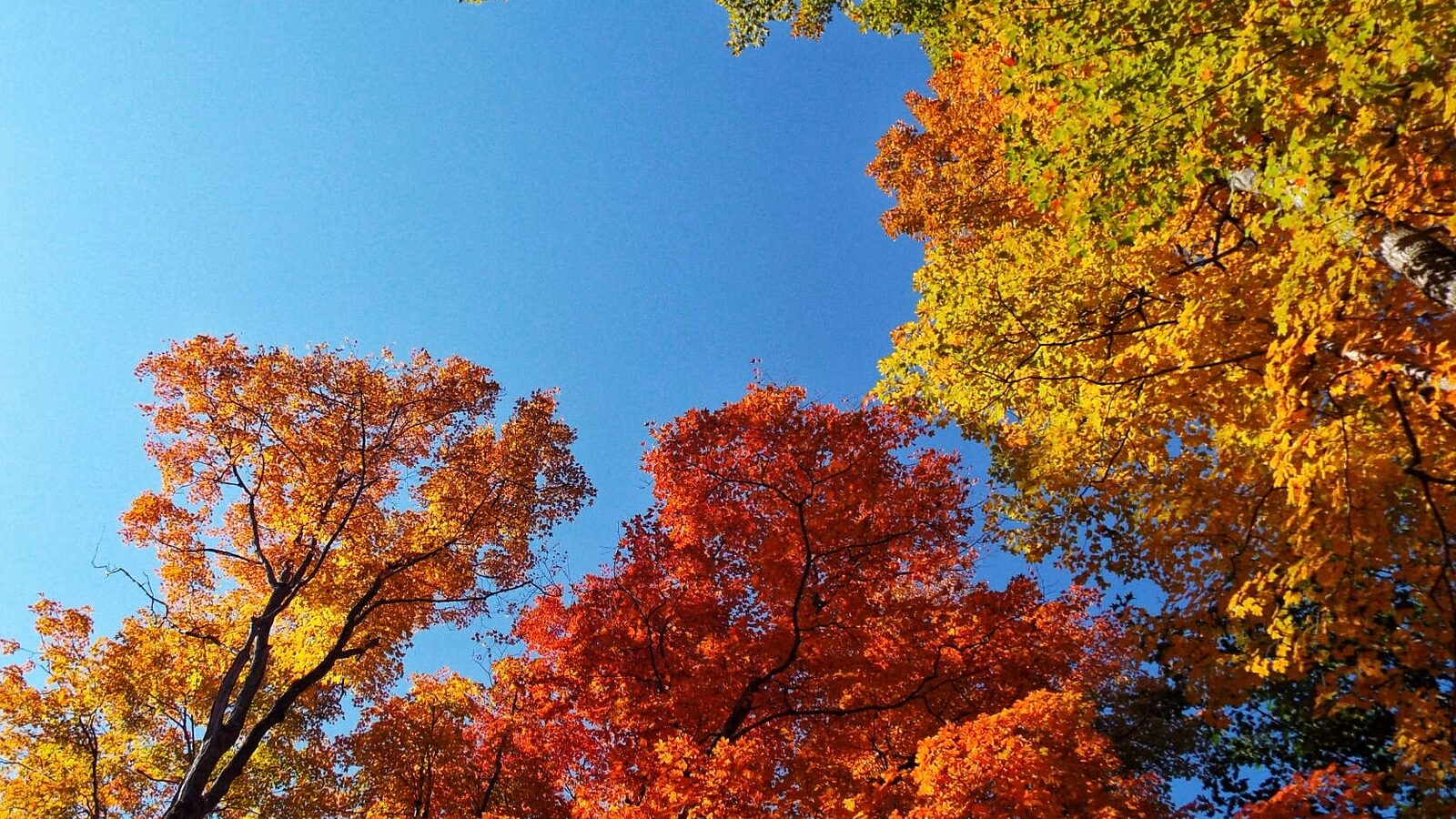
Leaves do not simply fill with autumn colour. As chlorophyll is dismantled, existing yellow pigments appear and some trees manufacture red pigments anew.
World Explained · Animals
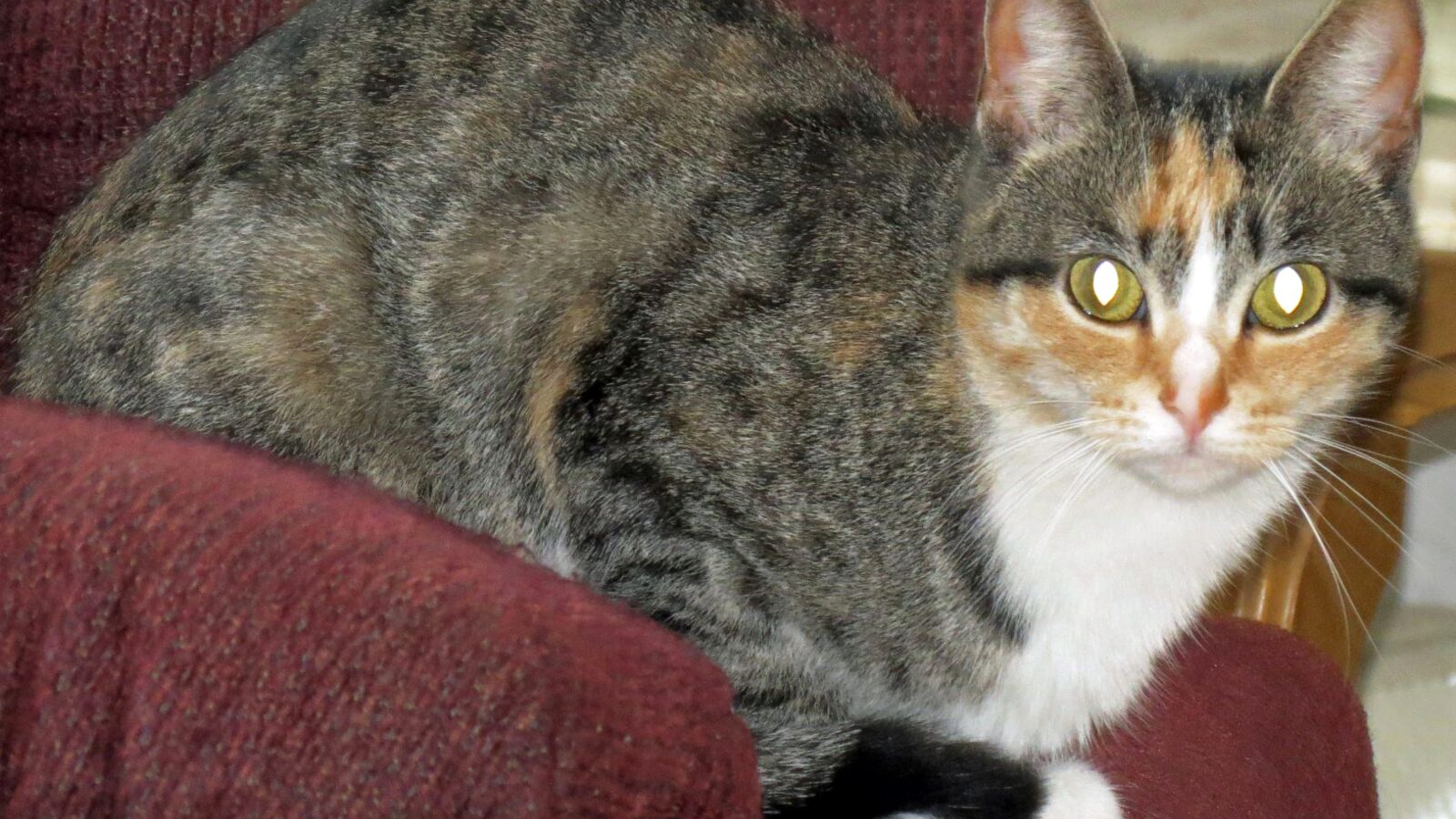
Cat eyes do not generate light in darkness. A reflective layer behind the retina sends available light through the photoreceptors again and back toward you.
World Explained · Wildlife
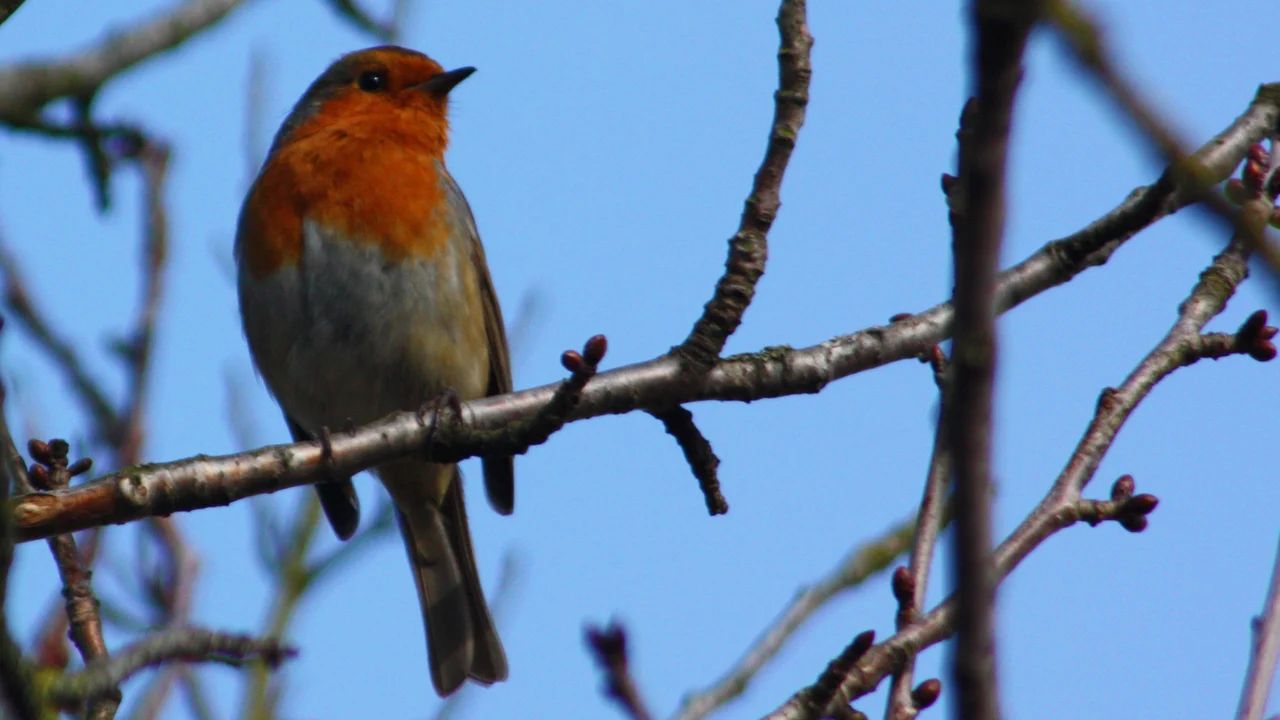
A migrating bird can consult the Sun, stars, magnetic field, smell and landmarks, then change which cue it trusts as the journey changes.
World Explained · Ocean
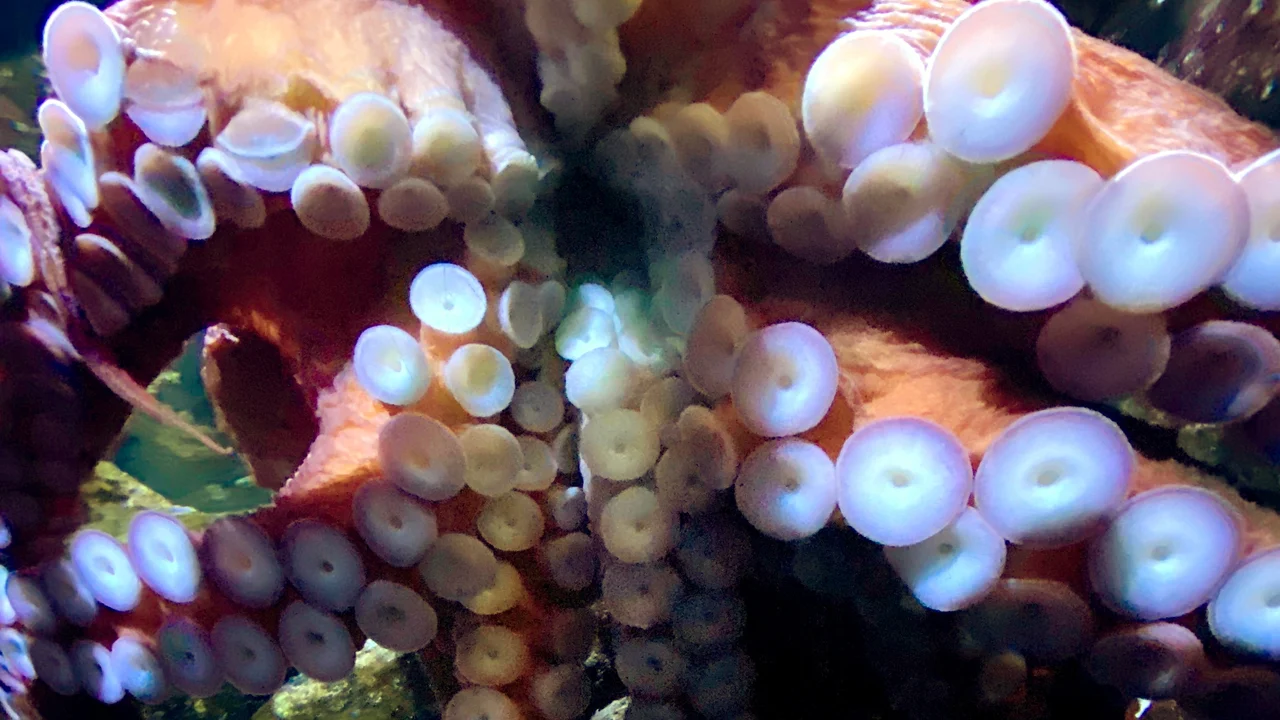
An octopus distributes sensing and motor control through its arms, but the evidence does not turn each arm into an independent mind.
World Explained · Wildlife
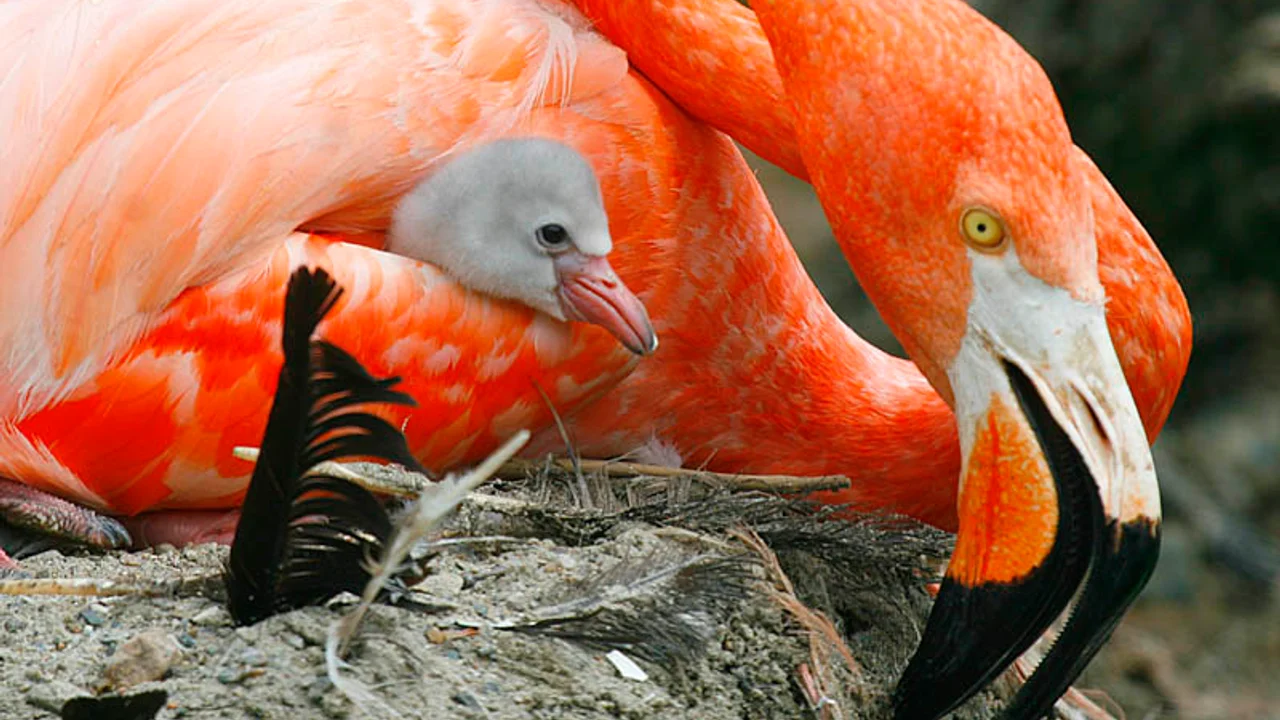
A four-day-old chick can sit beside a scarlet parent without sharing its colour because pink plumage must be built over time.
World Explained · Ocean
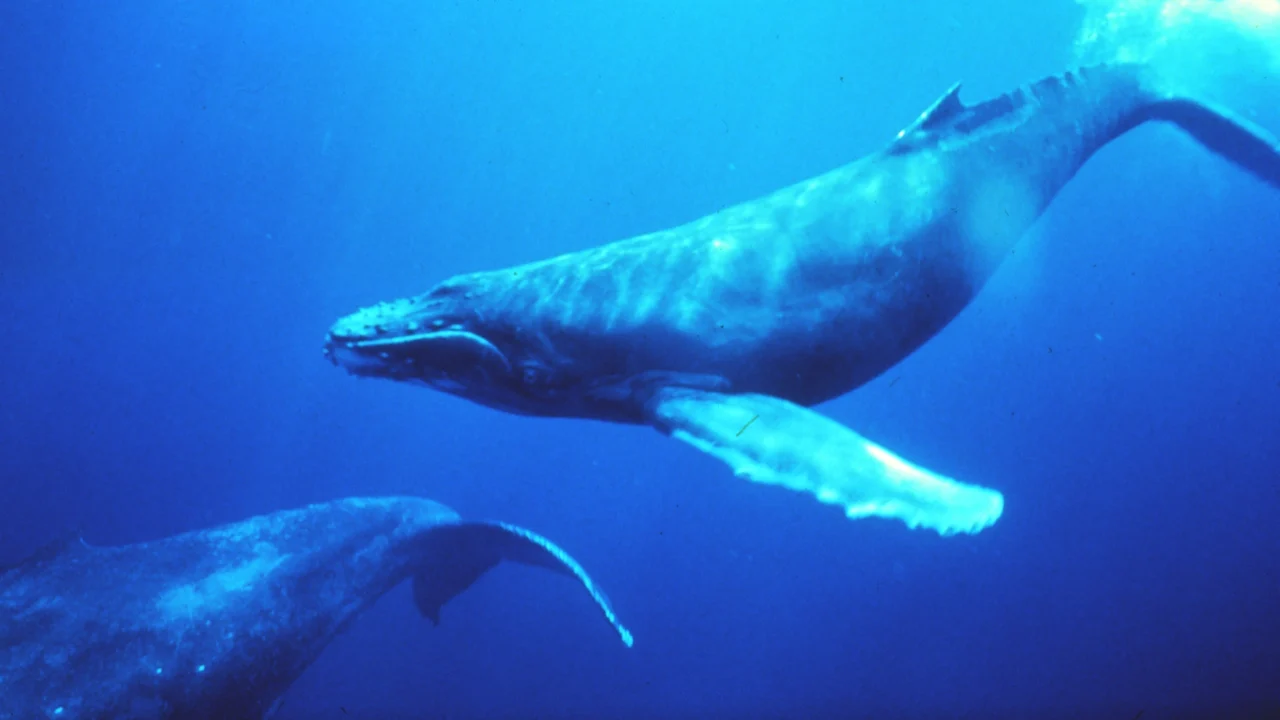
Low frequencies, ocean layering and a quiet receiving site can let some whale calls remain detectable far beyond visual range.
World Explained · Ocean
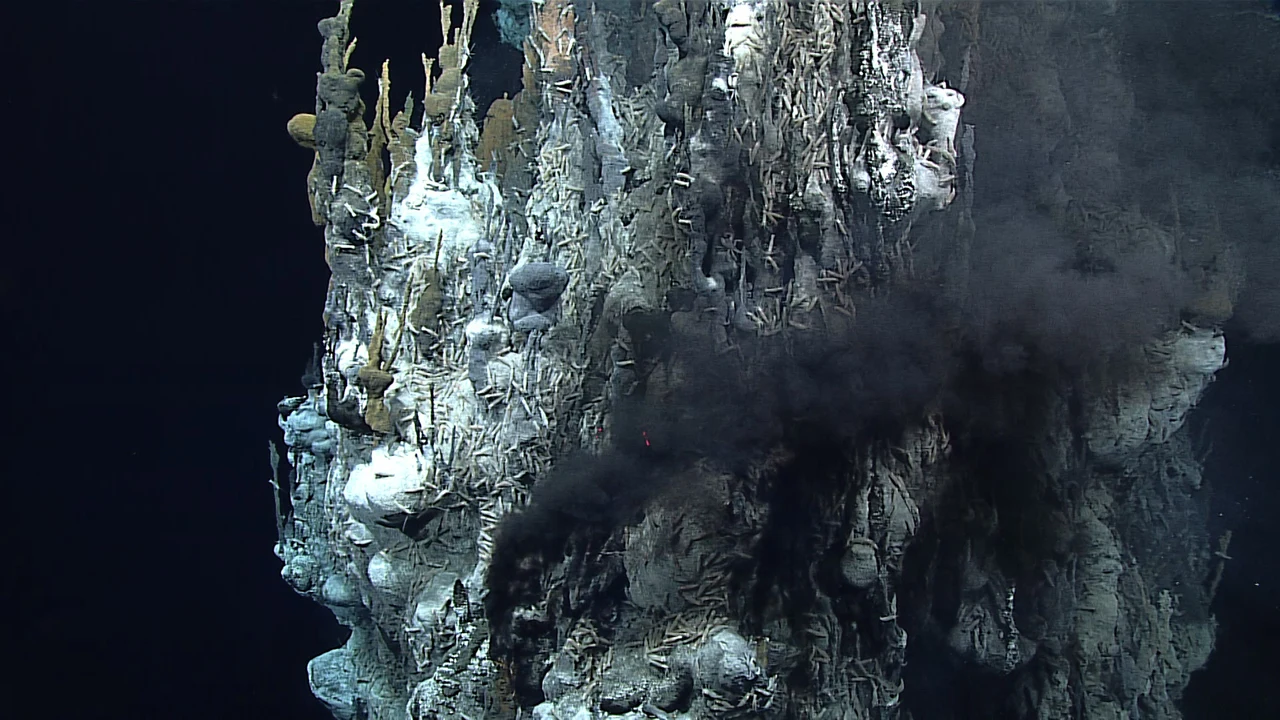
Hydrothermal vents support crowded animal communities in total darkness because microbes harvest chemical energy. The real system is stranger, and more connected to the surface, than the usual headline suggests.
Australian Curiosity · Wildlife
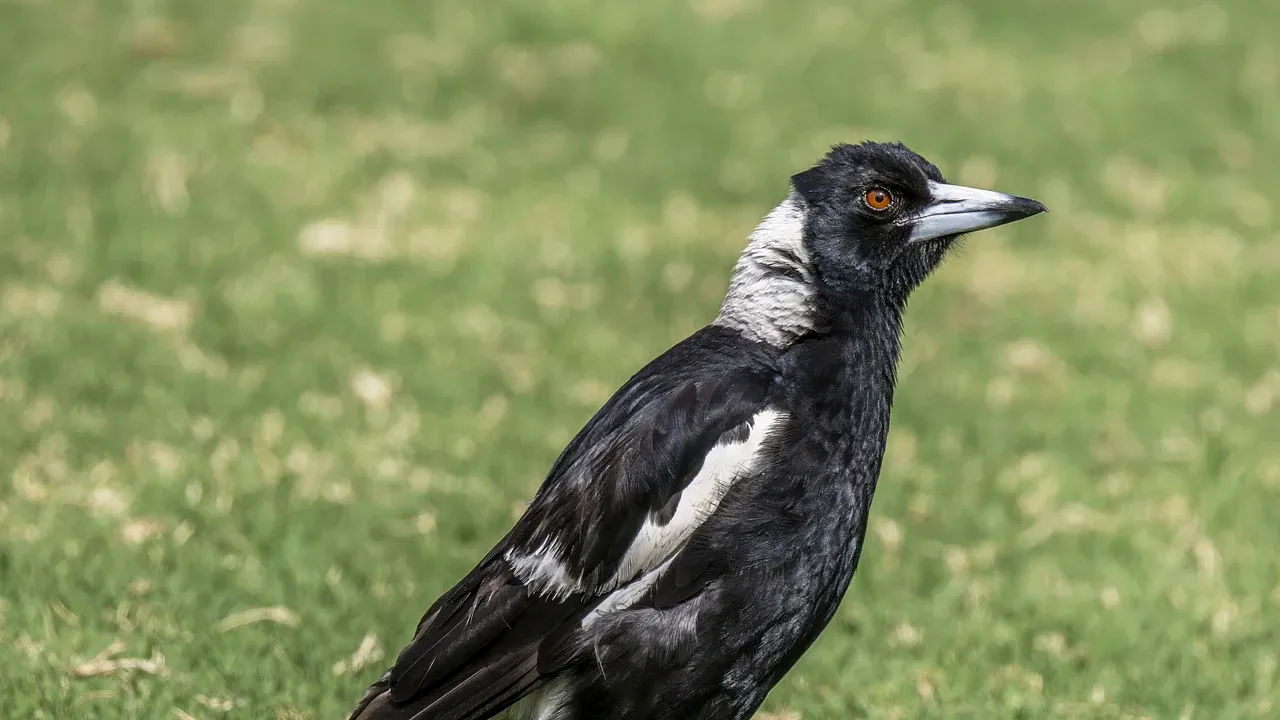
A playback experiment found that wild Western Australian magpies became more vigilant when an unfamiliar person spoke. It is direct evidence for voice recognition, not proof of every viral claim about faces.
Australian Curiosity · Nature
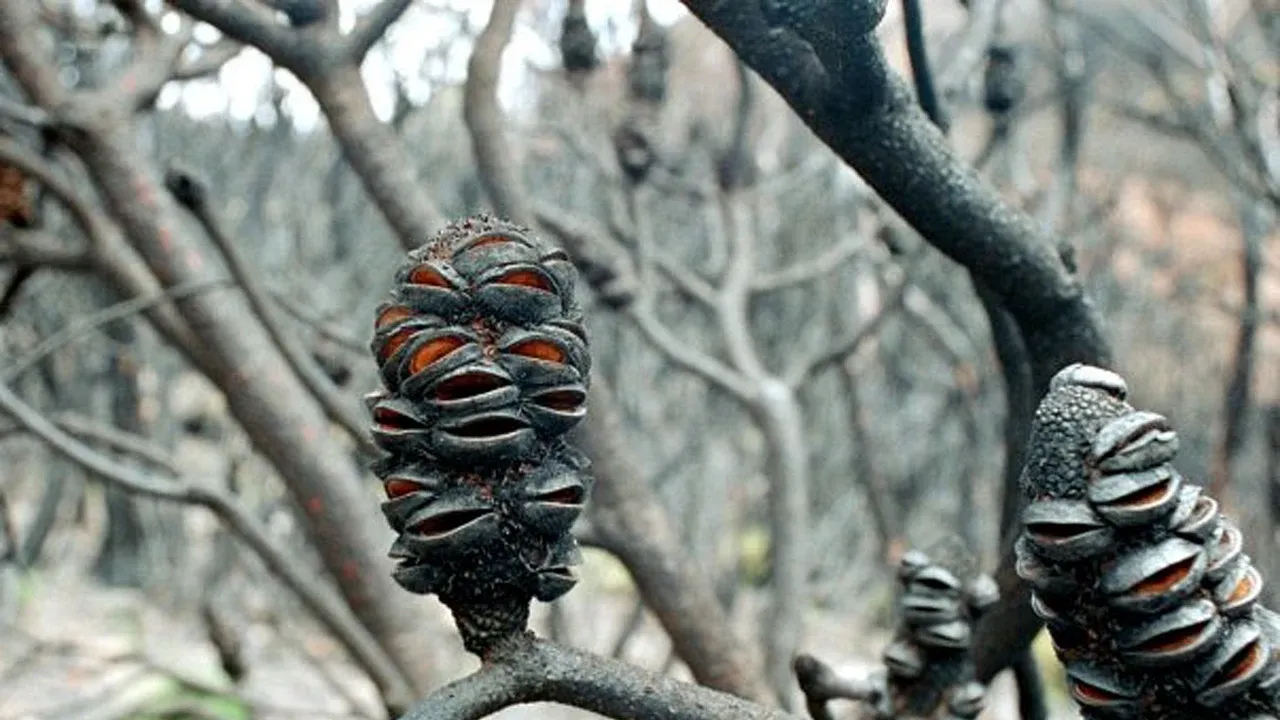
Some seeds respond to smoke molecules, some to heat, and some wait inside woody fruits for release. Experiments reveal why there is no single fire switch for Australian plants.
Australian Curiosity · Wildlife
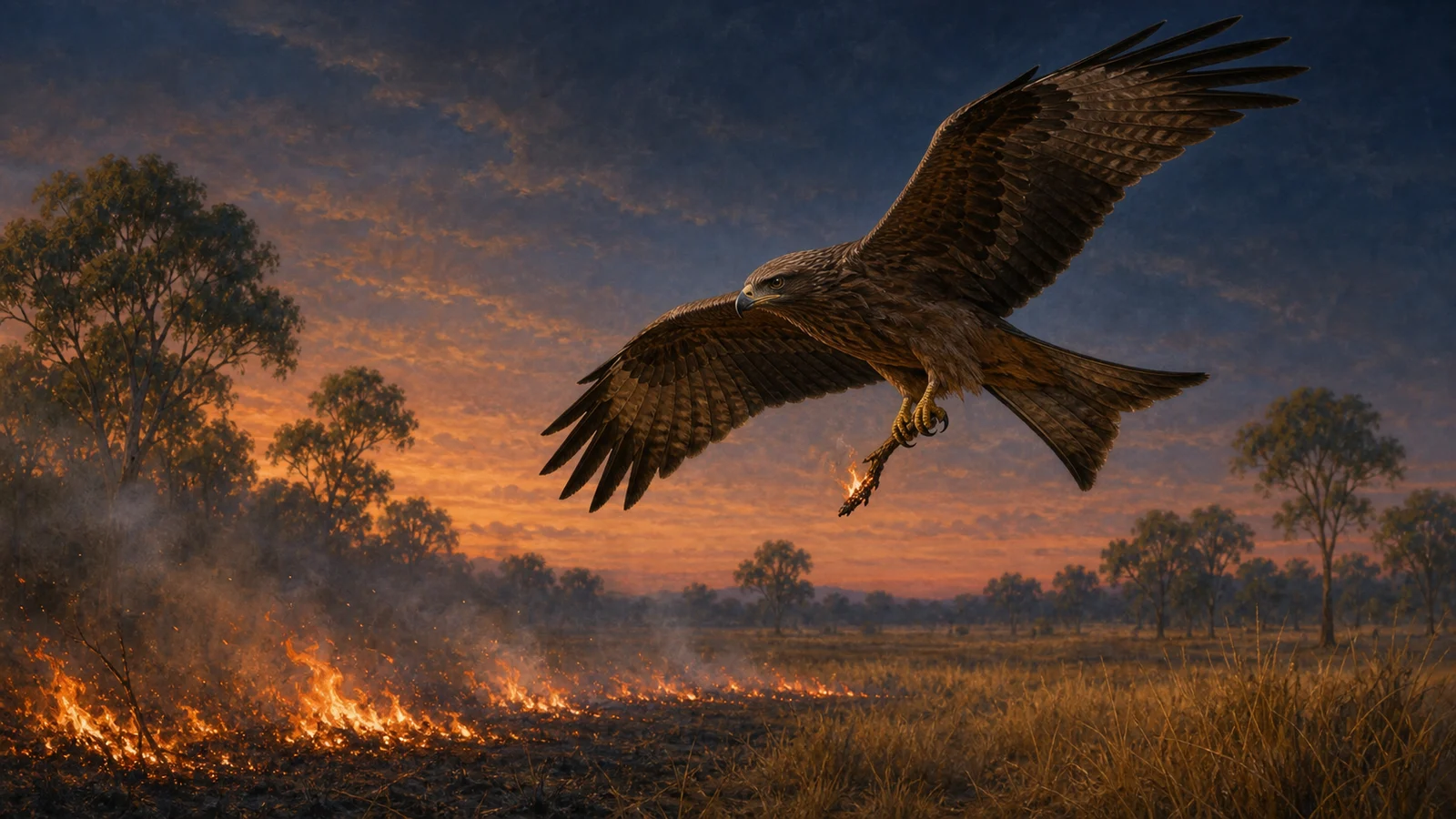
The viral claim is more complicated than a dramatic clip. Here is what eyewitnesses, Indigenous knowledge and a peer-reviewed study actually establish.
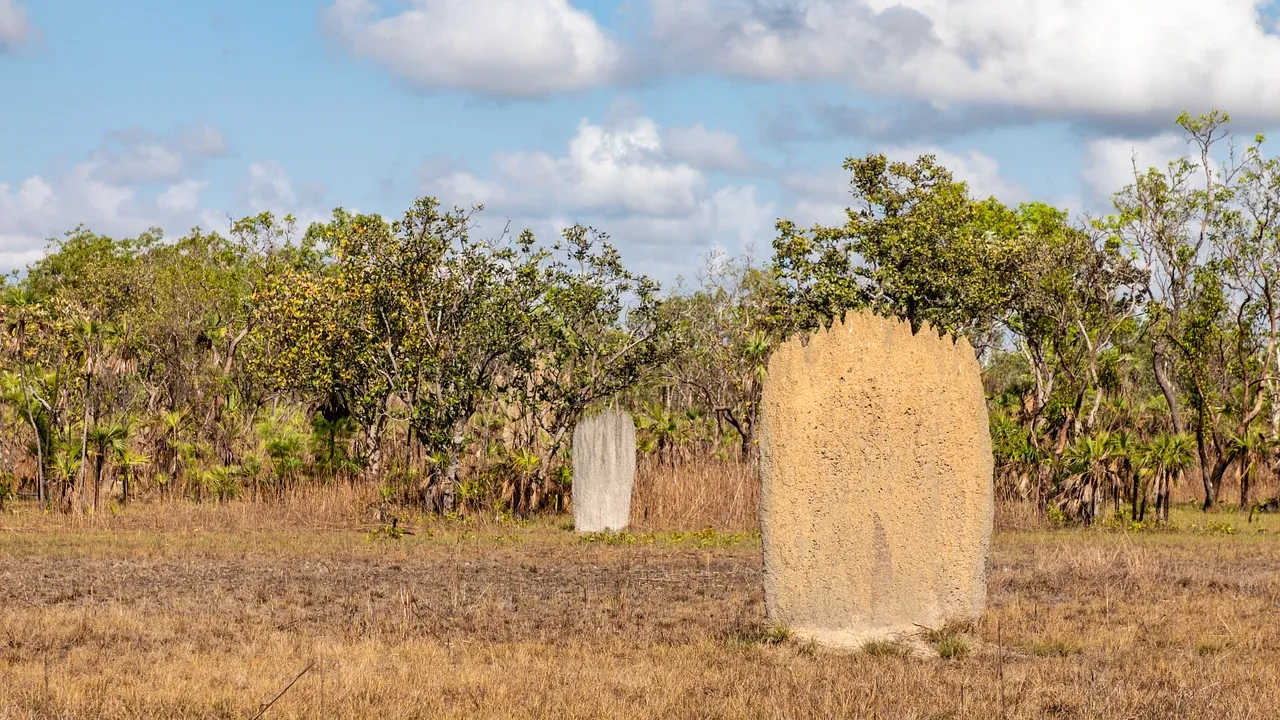
Australian Curiosity · Nature
Northern Australia's blade-shaped termite mounds line up with the landscape, but their bearings reveal a more interesting mix of sun, shade, wind and magnetic cues.
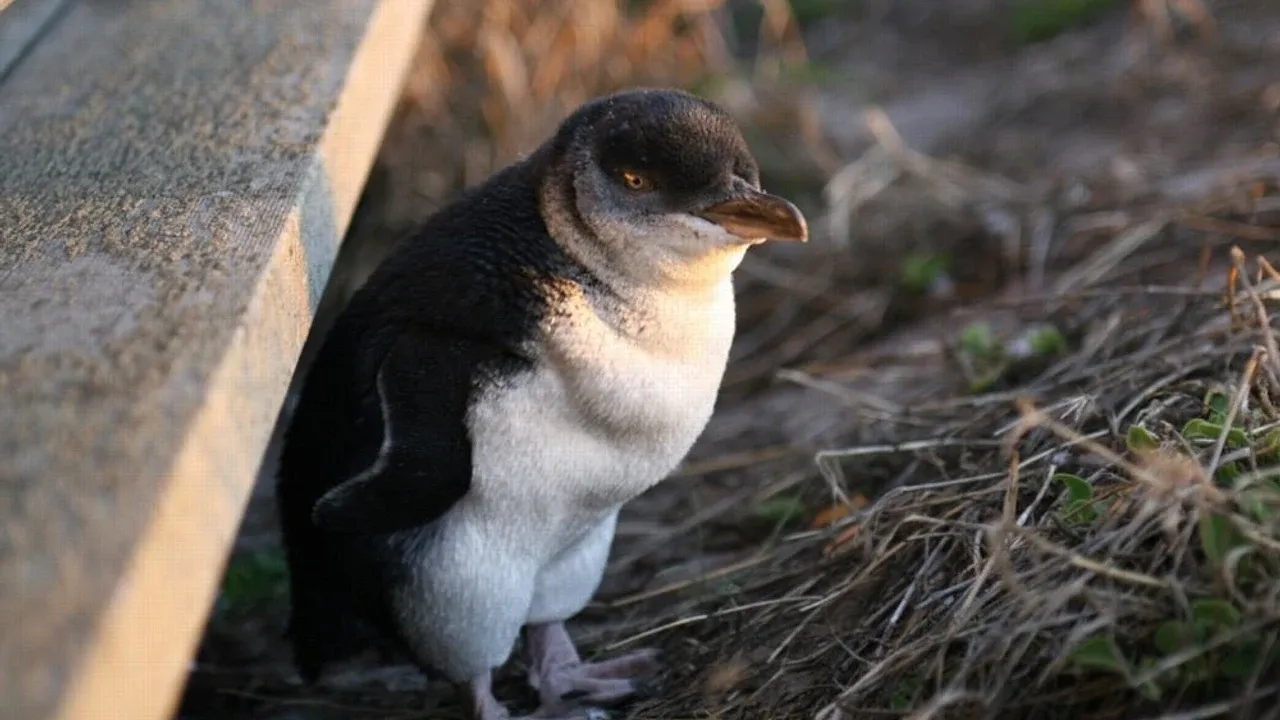
Australian Curiosity · Wildlife
Little penguins time their return to the fading light, often wait together offshore and cross exposed ground after sunset. Long-term monitoring reveals that the Moon can shift the schedule too.
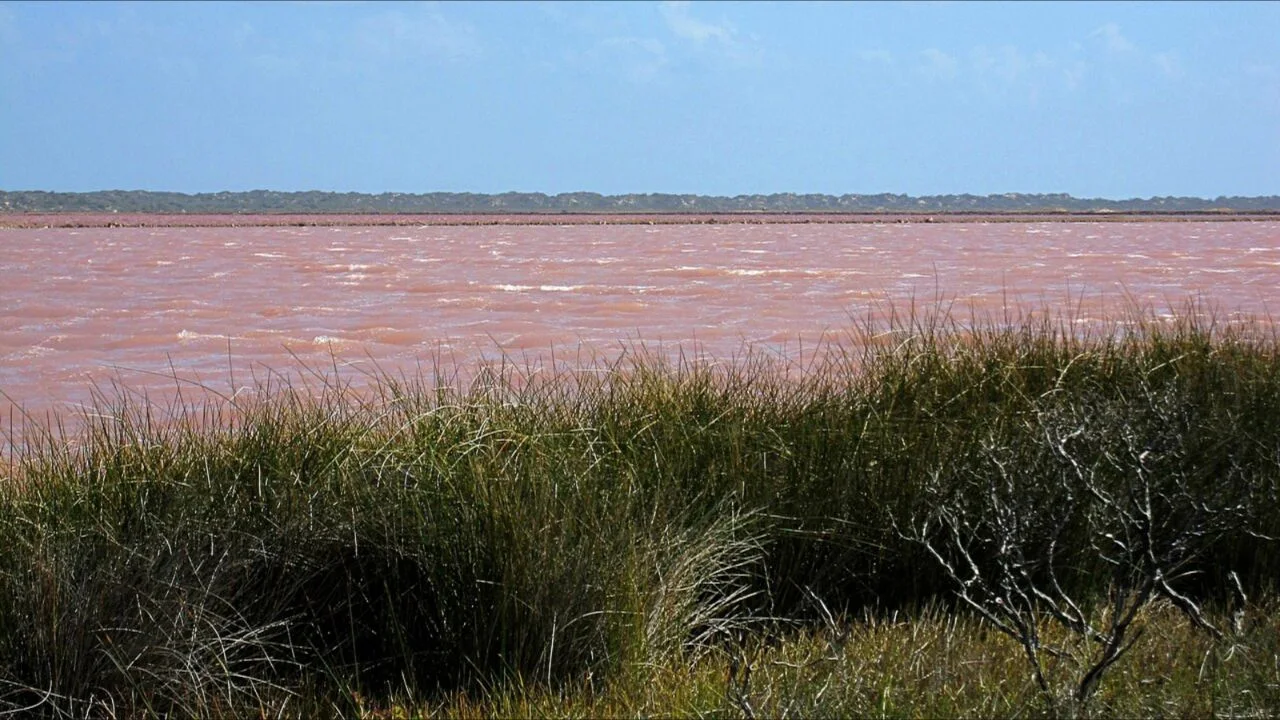
Australian Curiosity · Landscapes
Australia's pink lakes are not coloured by one universal microbe. Salt, light and a changing community of pigment makers create a living landscape-scale display.
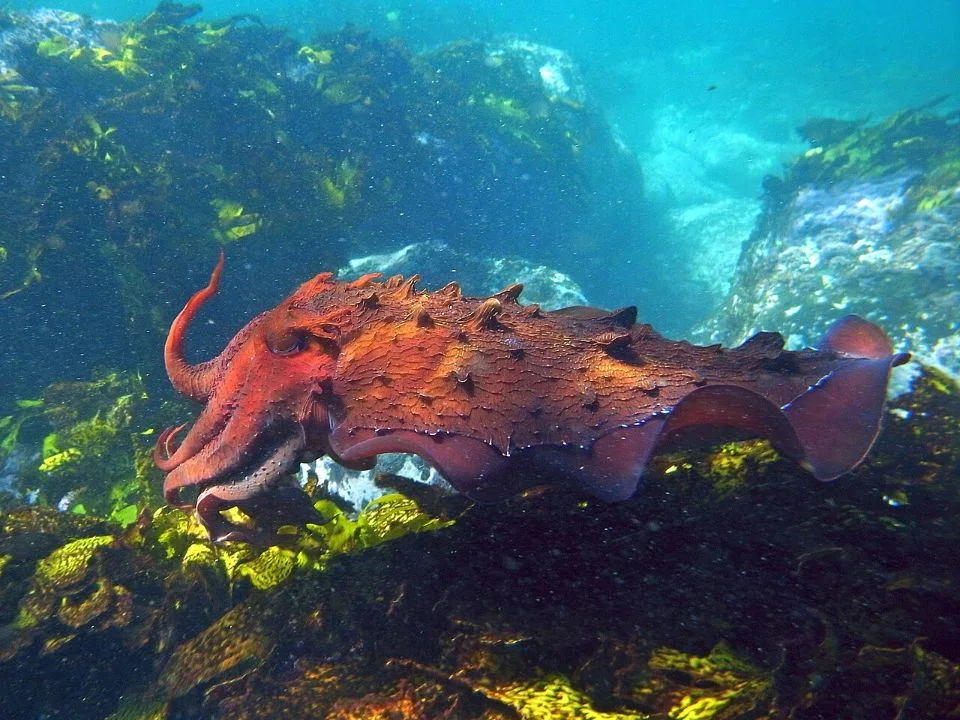
Australian Curiosity · Ocean
Pigment organs behave like biological pixels while deeper reflectors and movable skin texture let a cuttlefish transform in less than a second.
Australian Curiosity · Ocean
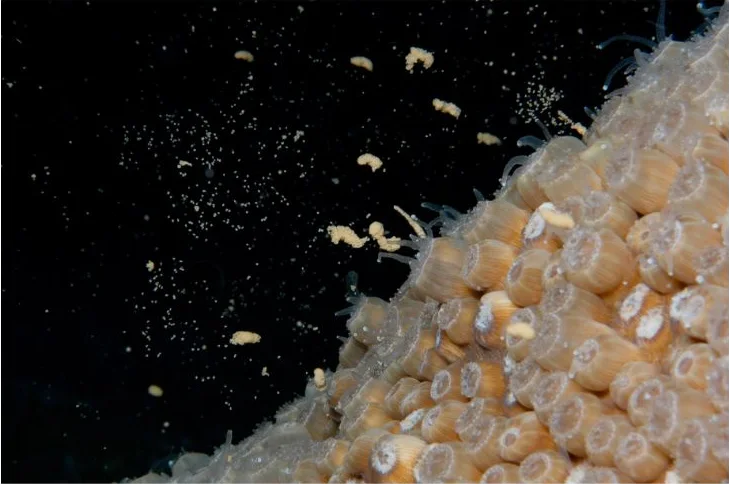
For a few nights, fixed coral colonies release buoyant egg-and-sperm bundles together. The spectacle begins a hazardous journey rather than guaranteeing reef recovery.
Australian Curiosity · Wildlife
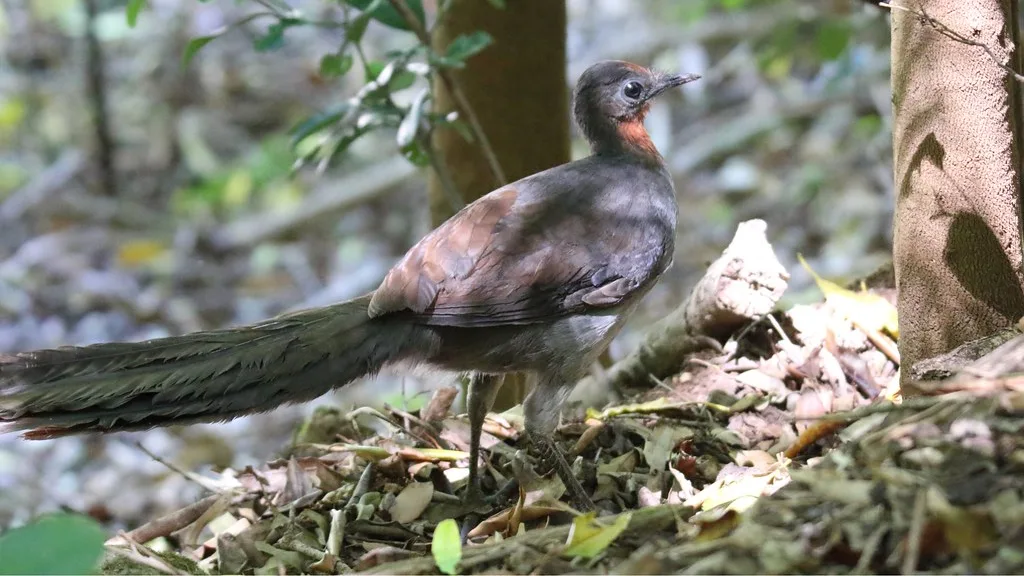
The viral chainsaw impression is only the beginning. Experiments show that a superb lyrebird can imitate another bird accurately enough to fool the species being copied.
Australian Curiosity · Ocean science
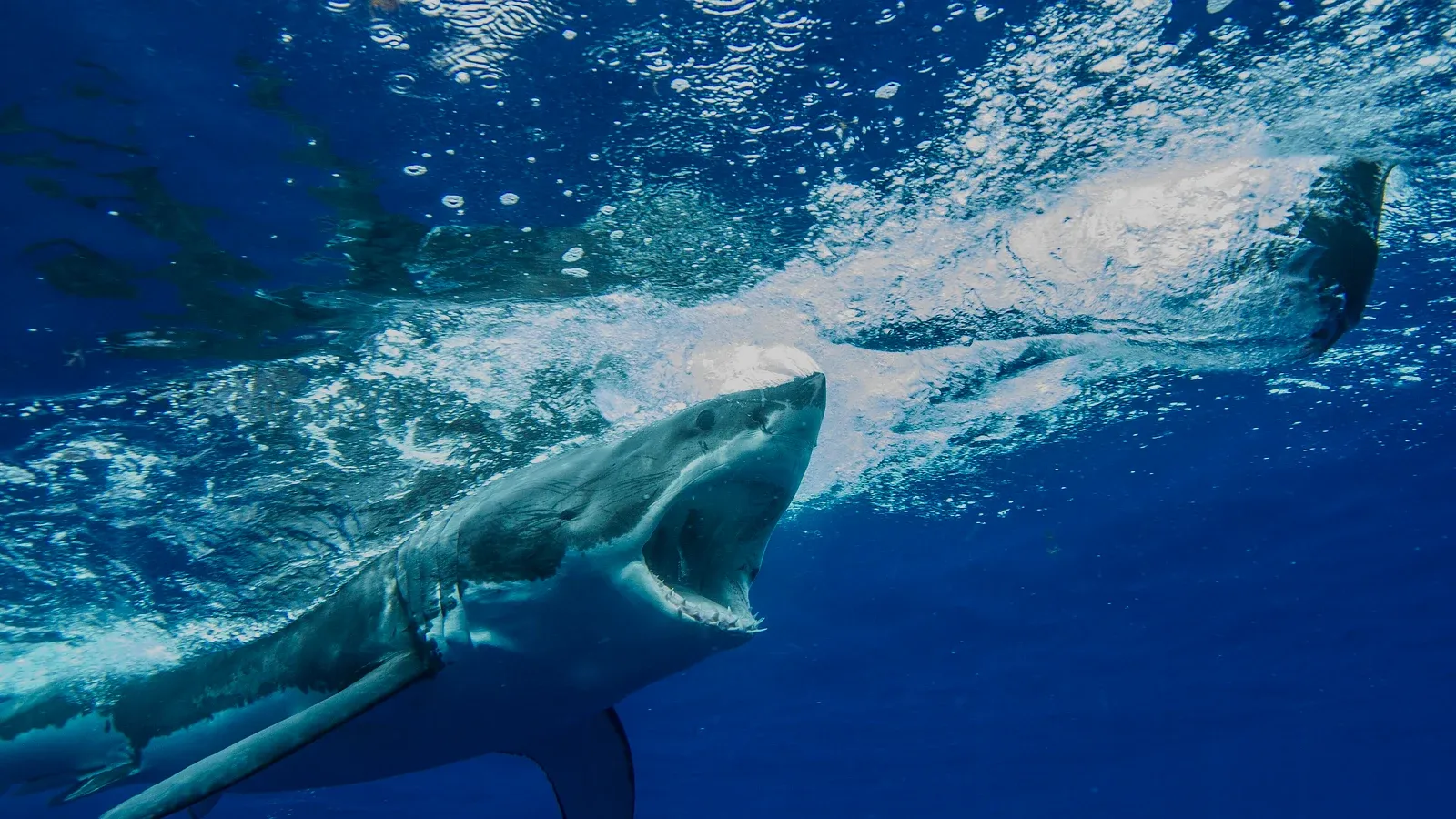
Cameras fitted to 13 juvenile white sharks off New South Wales recorded long stretches over sand and just 20 bursts of speed. None ended in a documented prey capture.
Australian Curiosity · Ocean
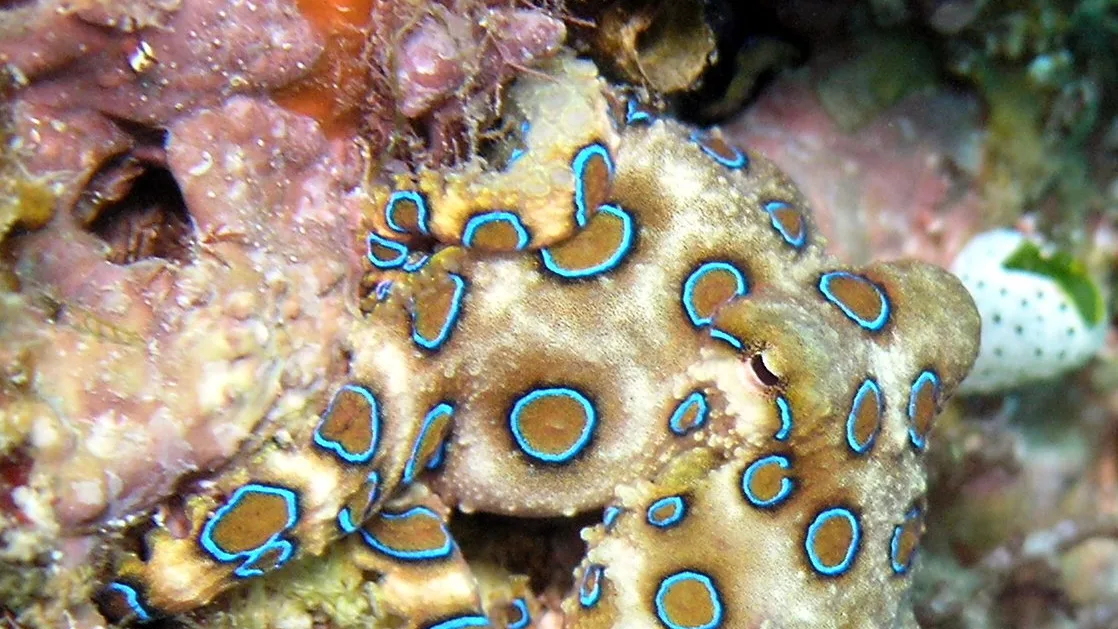
The rings do not turn blue like tiny screens. Microscopic reflectors are already there, and a fast muscular movement uncovers them when the octopus displays its warning.
World Explained · Animal biology
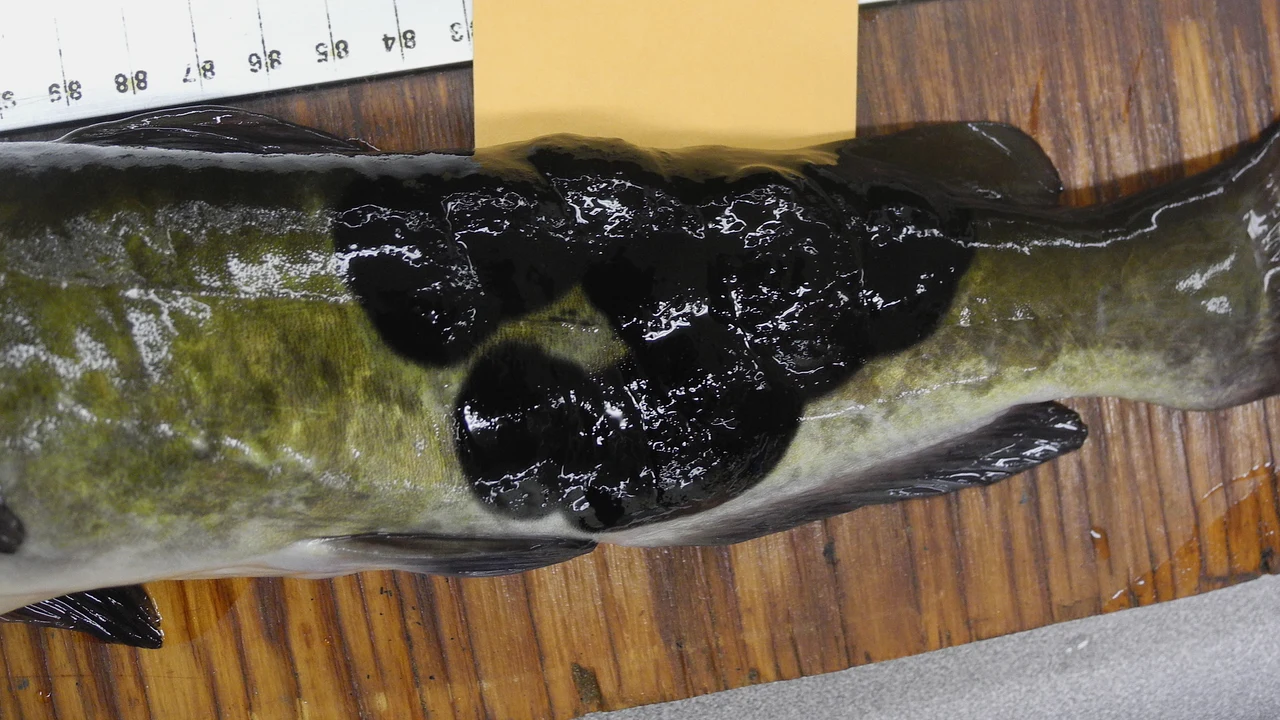
A new genomic study found that melanomas in different brown bullhead catfish belong to one living cancer lineage. The cells, not a virus, appear to spread.
World Explained · Wildlife
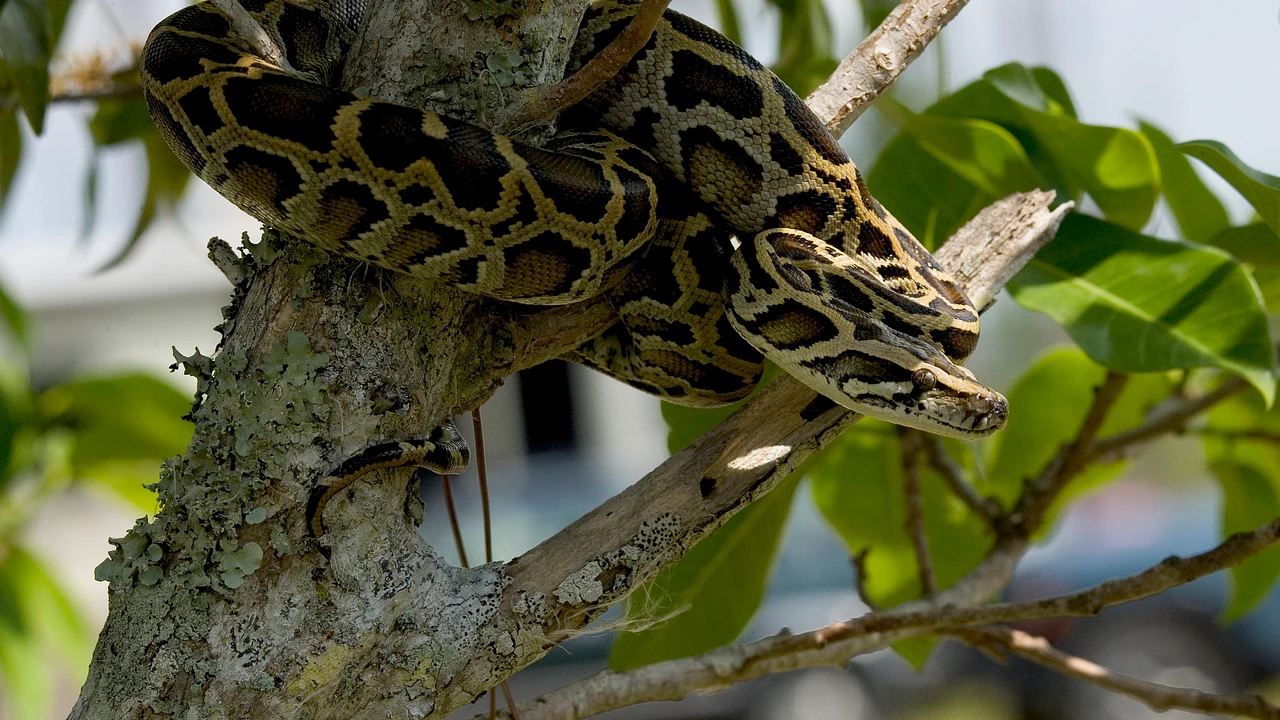
Burmese pythons are established across much of southern Florida, but their exact boundary and population remain difficult to measure. Here is what the evidence shows.
World Explained · Animal behaviour
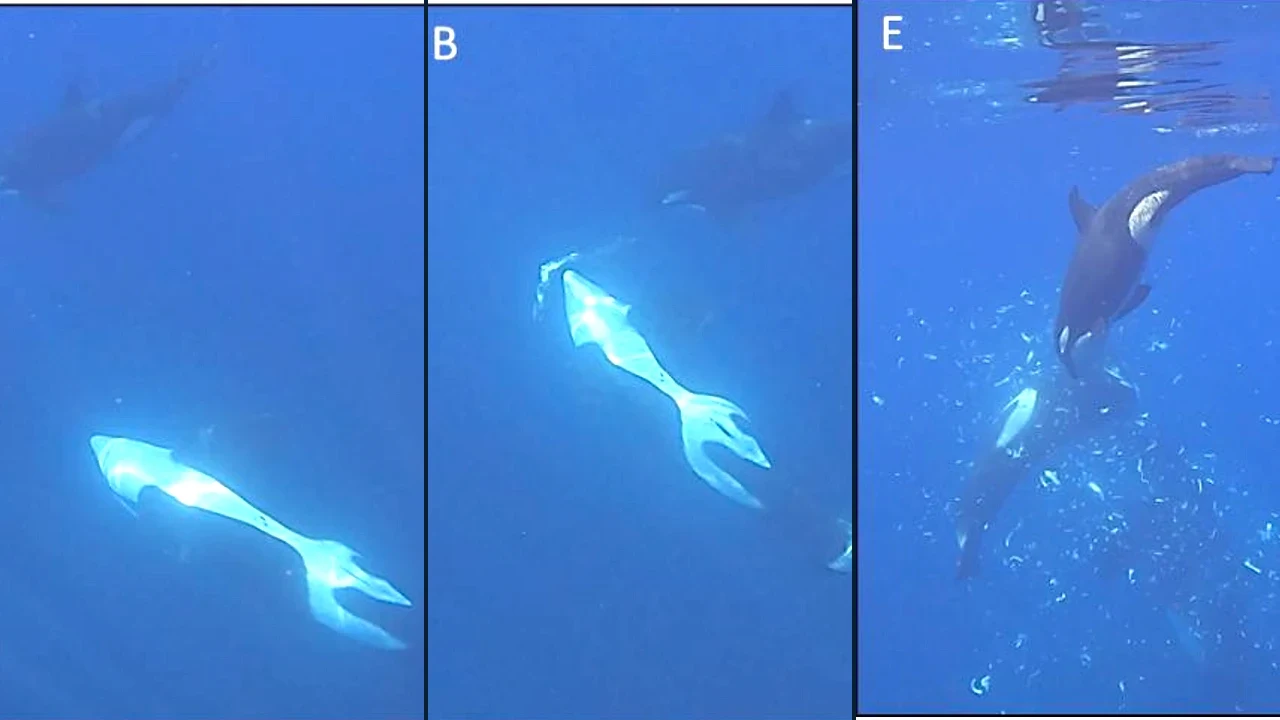
Two filmed encounters showed orcas holding and ramming a sharp-tail sunfish. The fish were already dead, which changes what the collisions may mean.
Australian Curiosity · Wildlife
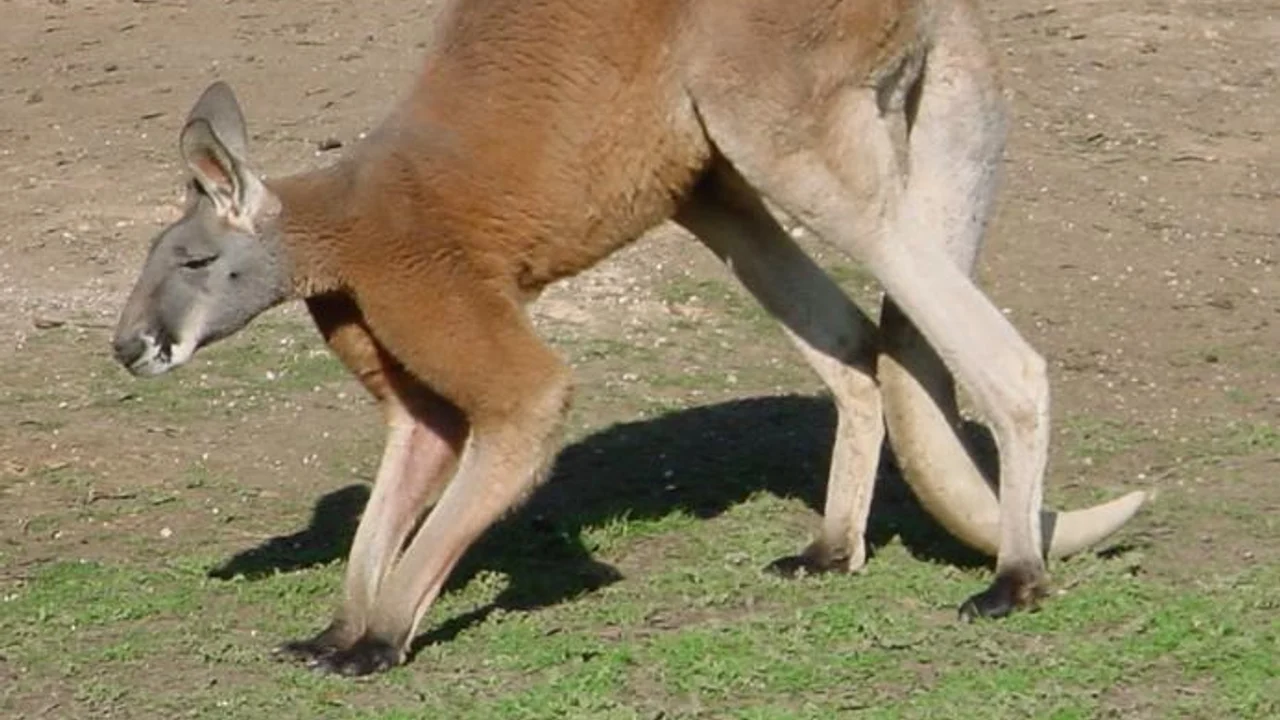
At a slow walk, a kangaroo plants its tail like a limb. Force measurements show it can push the animal forward as powerfully as all four legs combined.
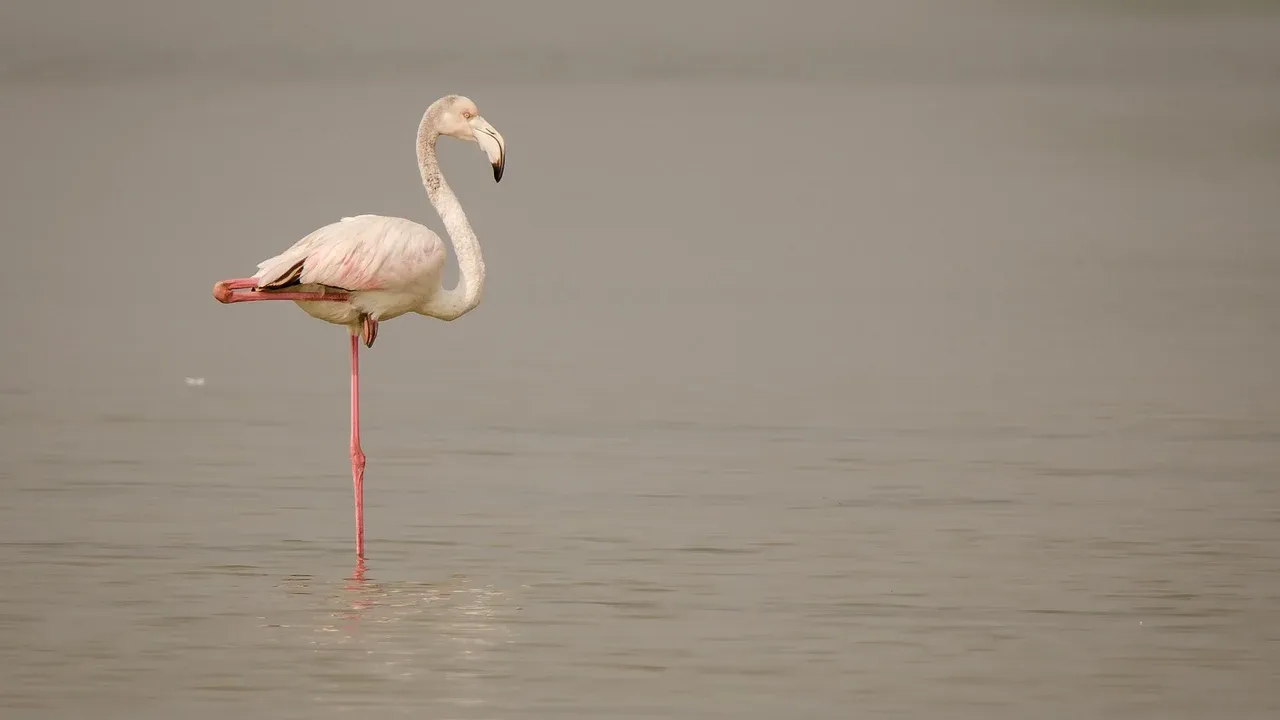
World Explained · Wildlife
A flamingo can become more stable as it relaxes on one leg. Experiments show how gravity supports the pose and why temperature may influence it.
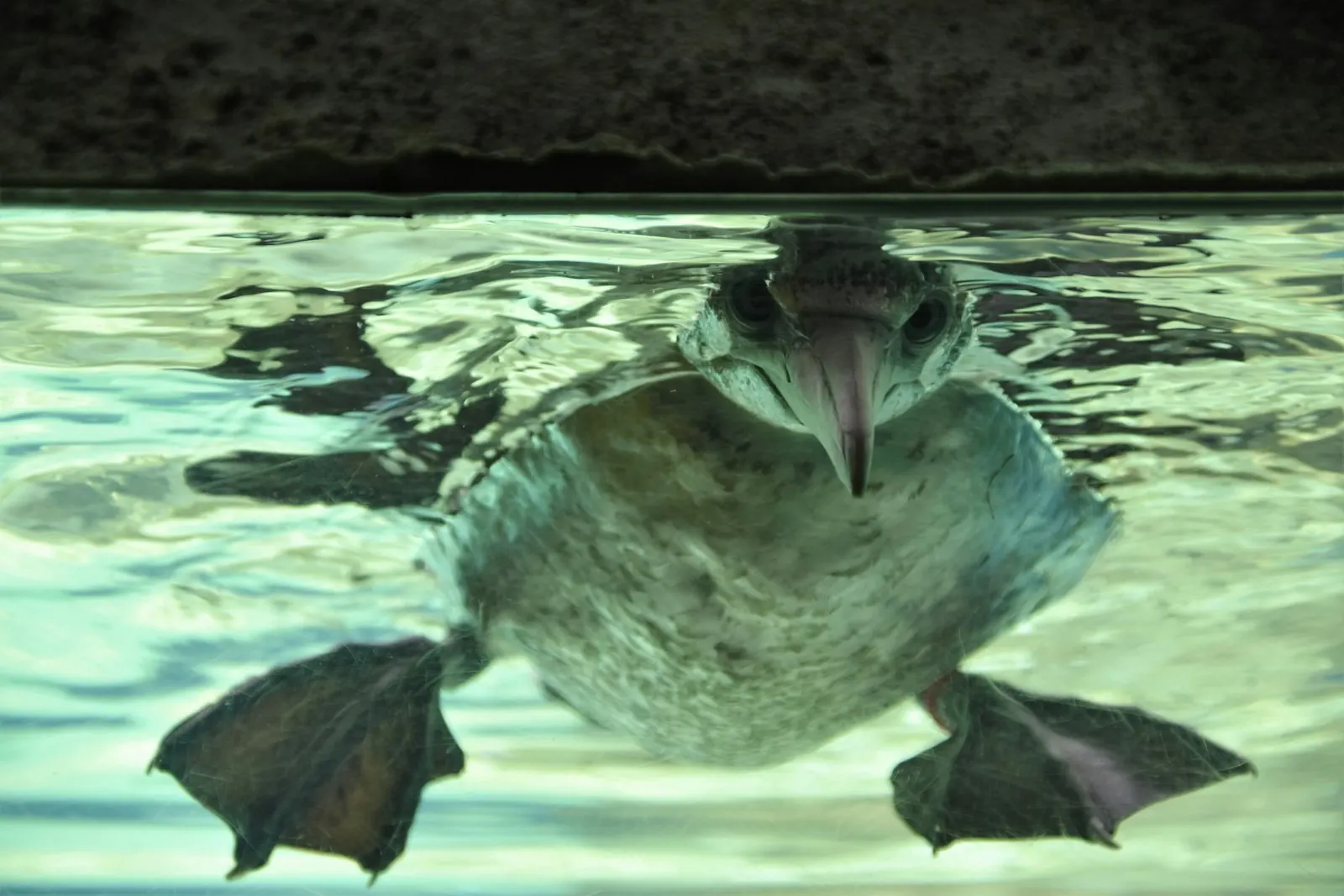
Australian Curiosity · Wildlife
Underwater, a platypus closes its eyes, ears and nostrils and lets thousands of touch and electrical receptors in its bill guide the hunt.
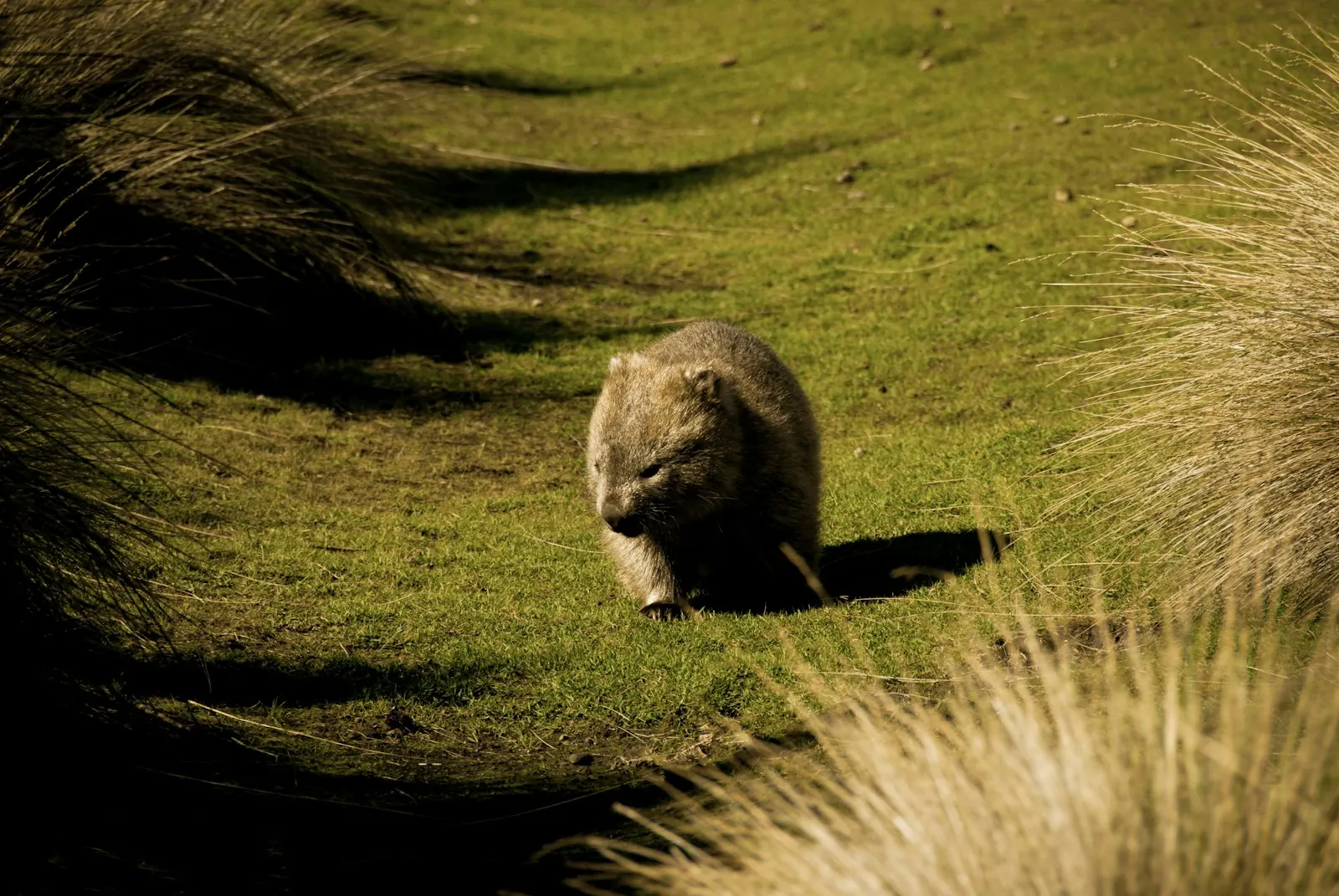
Australian Curiosity · Wildlife
Wombat droppings really do develop flat faces and corners. Experiments show that the shape is moulded inside the final part of the intestine.
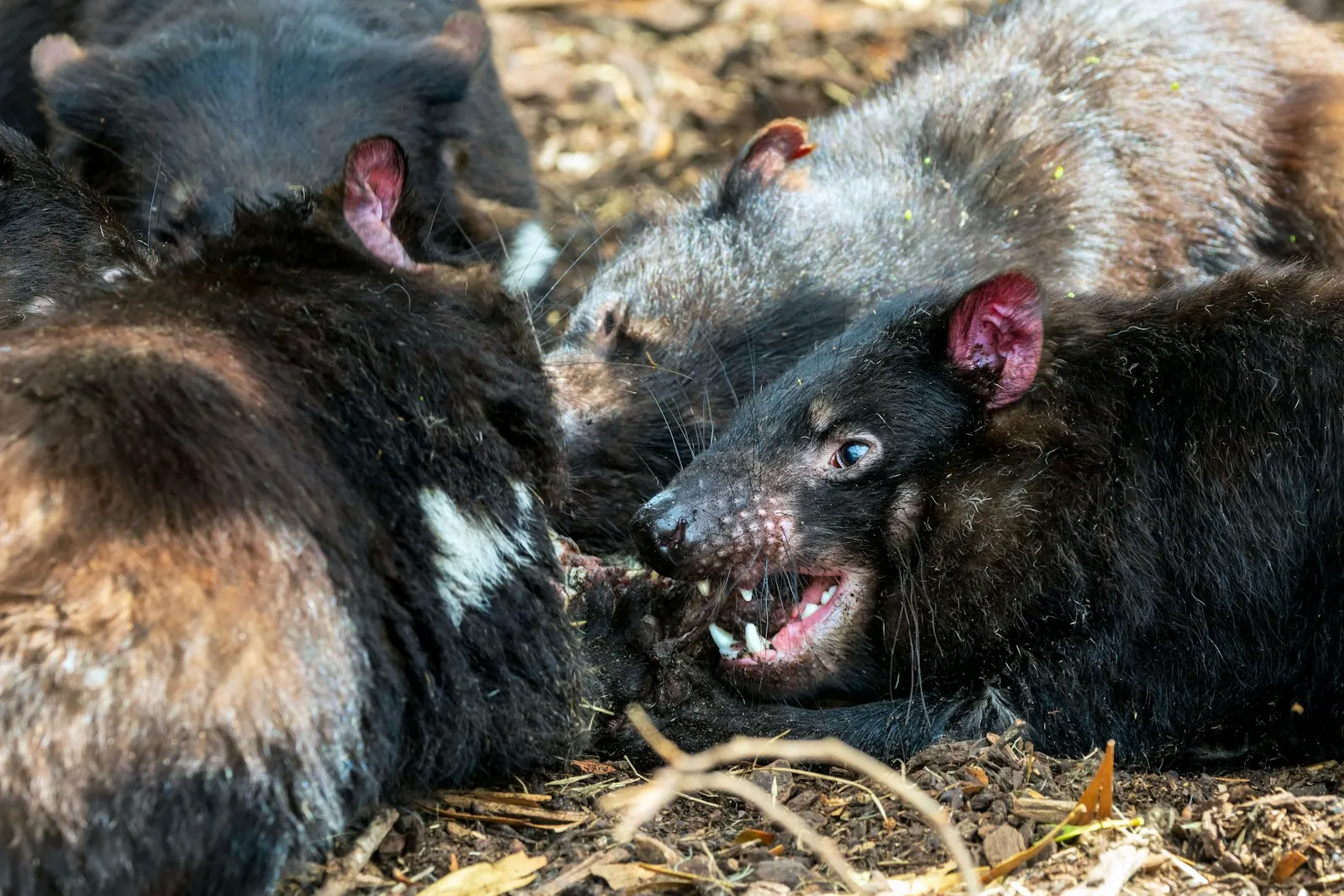
Australian Curiosity · Wildlife
The Tasmanian devil's scream, toothy gape and night-time habits inspired a frightening name, but its behaviour and conservation story are more complicated.
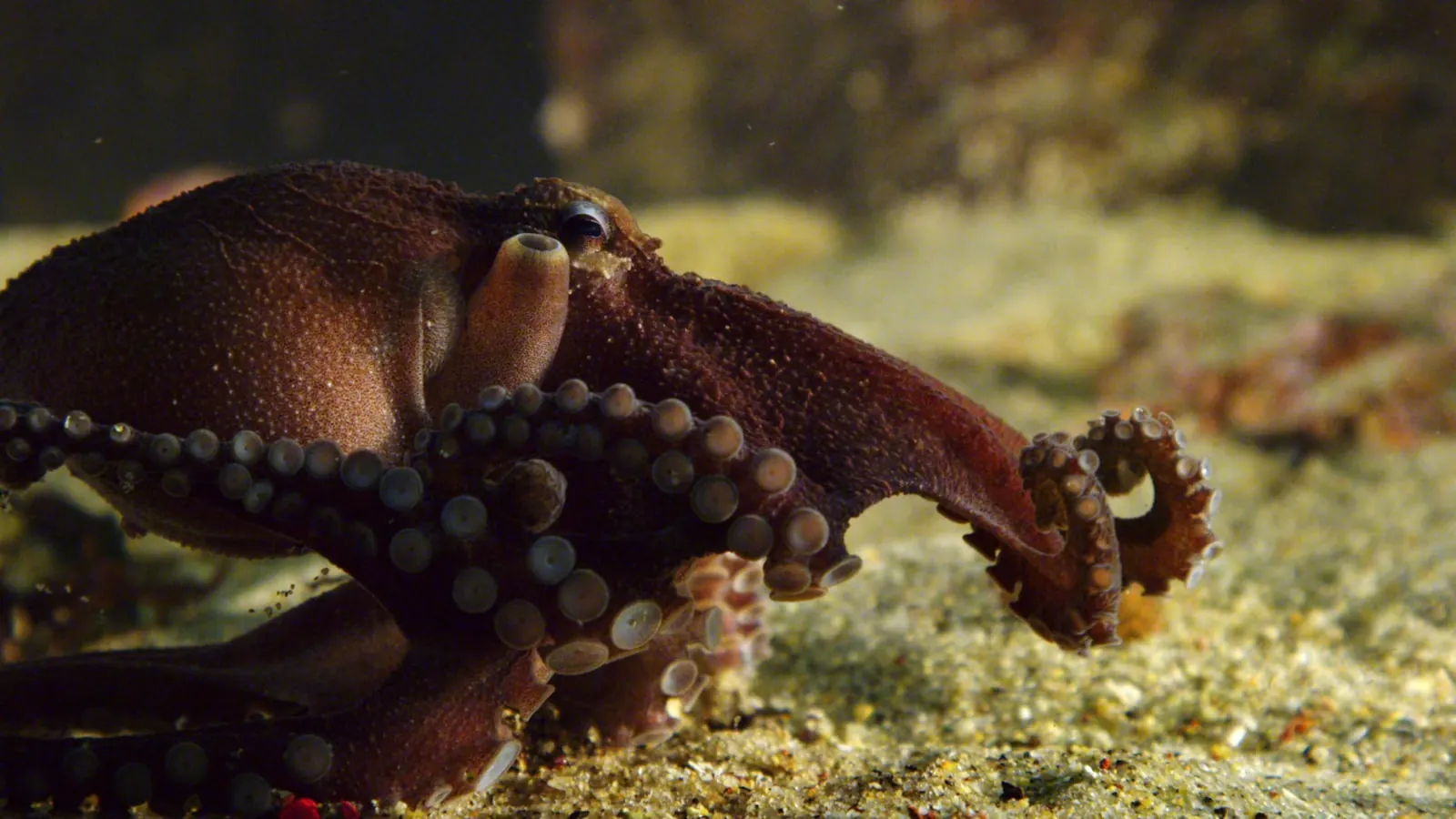
World Explained · Ocean science
Why do octopuses have blue blood and three hearts? A source-checked explanation of hemocyanin, two gill hearts and one systemic heart.