World Explained · world
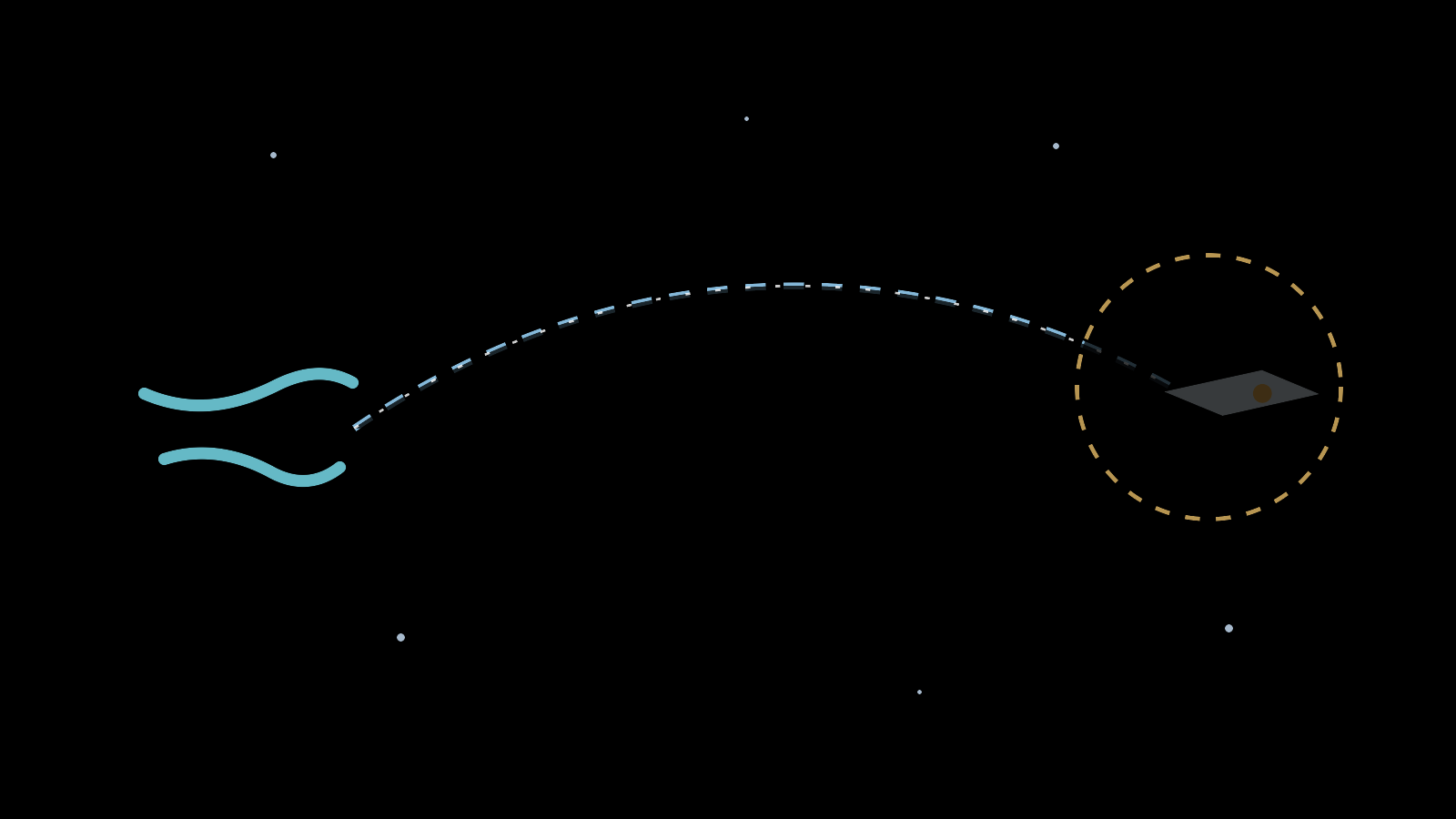
Why Voyager 1 reaching one light-day from Earth matters
Voyager 1 is due to reach one light-day from Earth on November 18. Here is what the milestone measures, why NASA is conserving power and what it cannot prove.
A genuinely global desk
Start with a country or travel across borders. These stories use local sources and context without turning people or places into stereotypes.
5 active country and global collectionsChoose a place
New countries appear automatically when their first reviewed story is published.
Newest first
World Explained · world
Voyager 1 is due to reach one light-day from Earth on November 18. Here is what the milestone measures, why NASA is conserving power and what it cannot prove.
World Explained · Body and senses
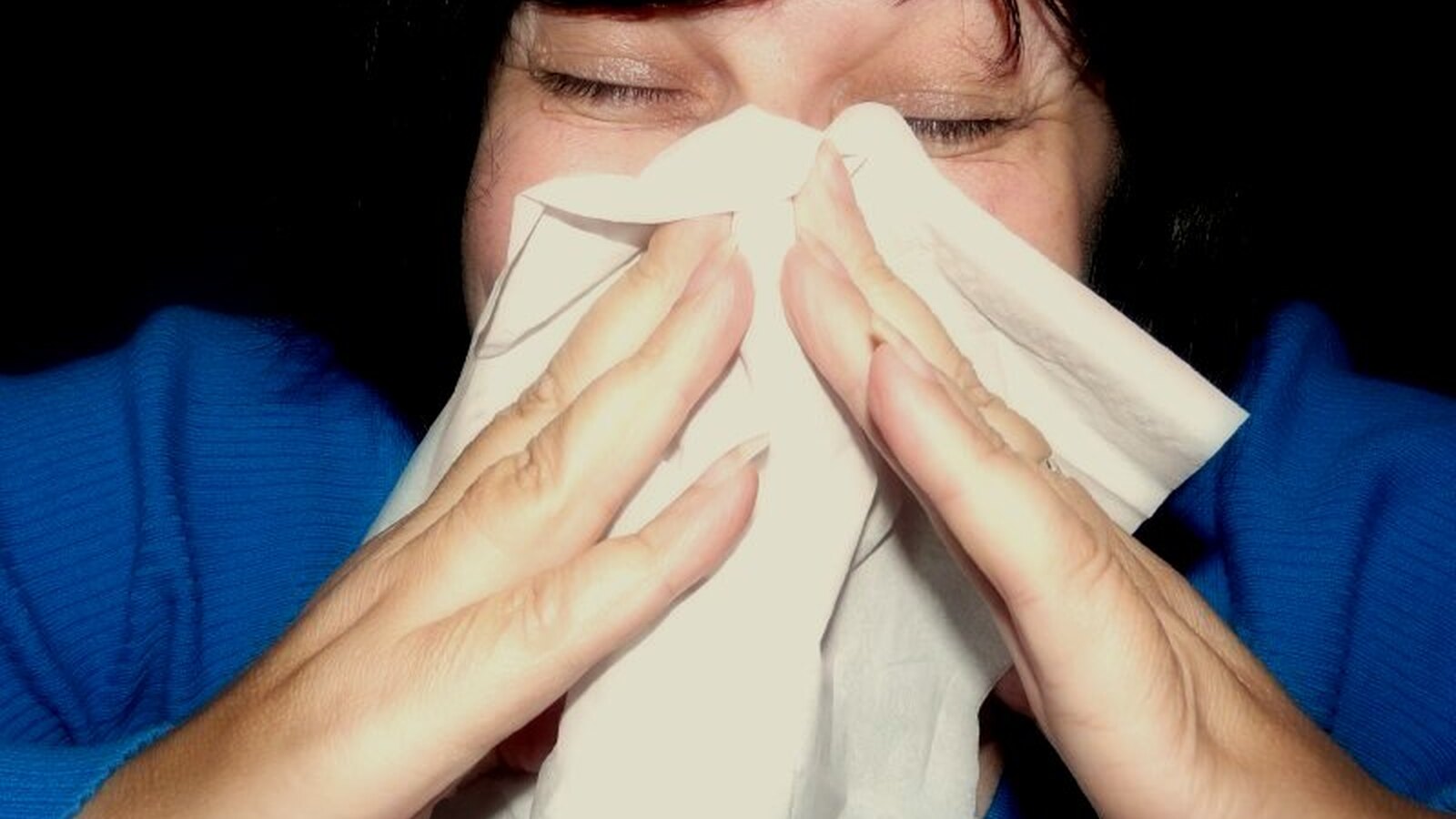
It is called the photic sneeze reflex. Bright light can trigger the sneeze circuit in susceptible people, but the exact nerve crossover remains unsettled.
World Explained · Ocean science
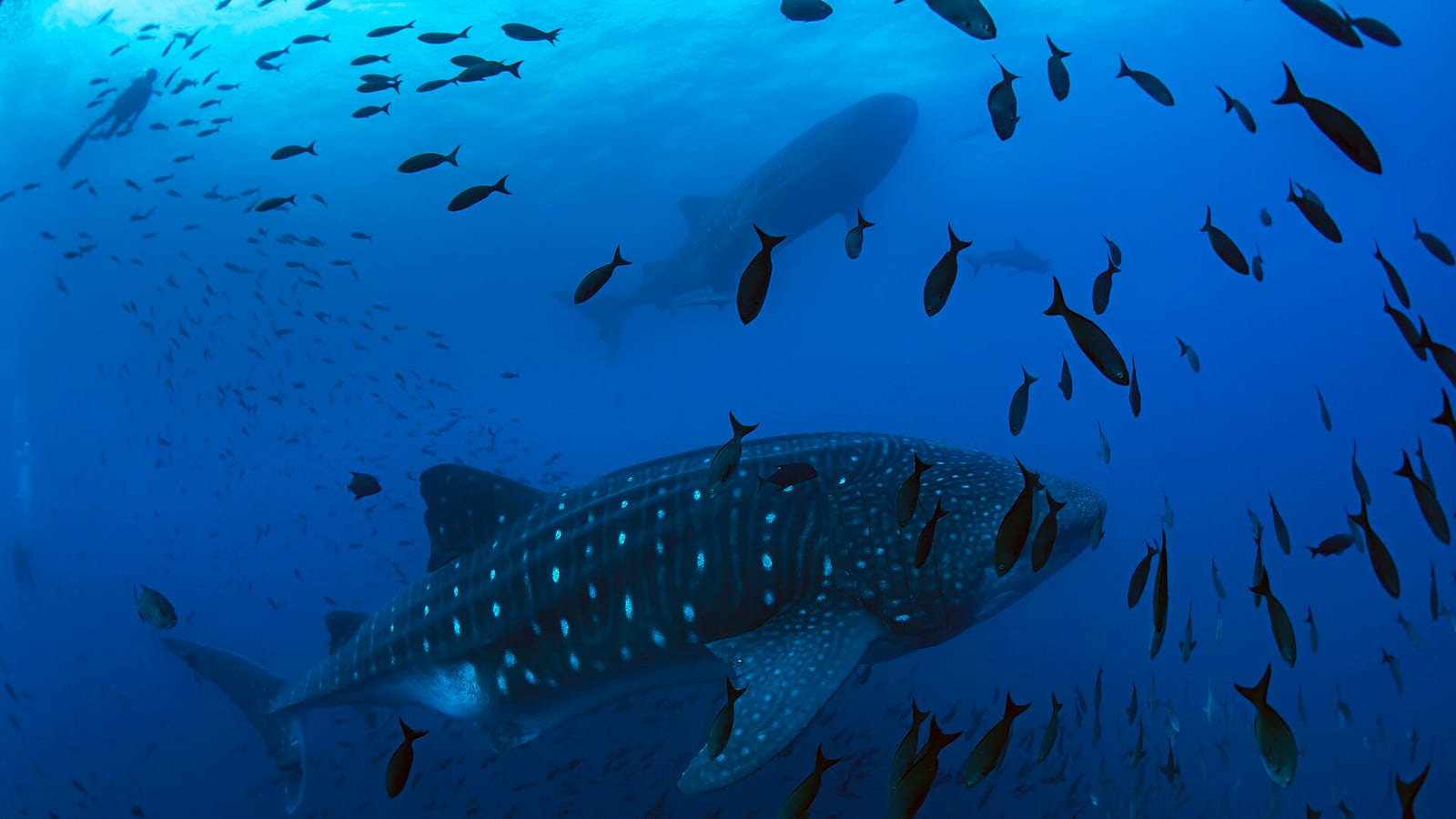
There are more than 500 described shark species. Their different shapes show how one cartilaginous fish blueprint has adapted to feeding and living in very different waters.
World Explained · Transport and engineering
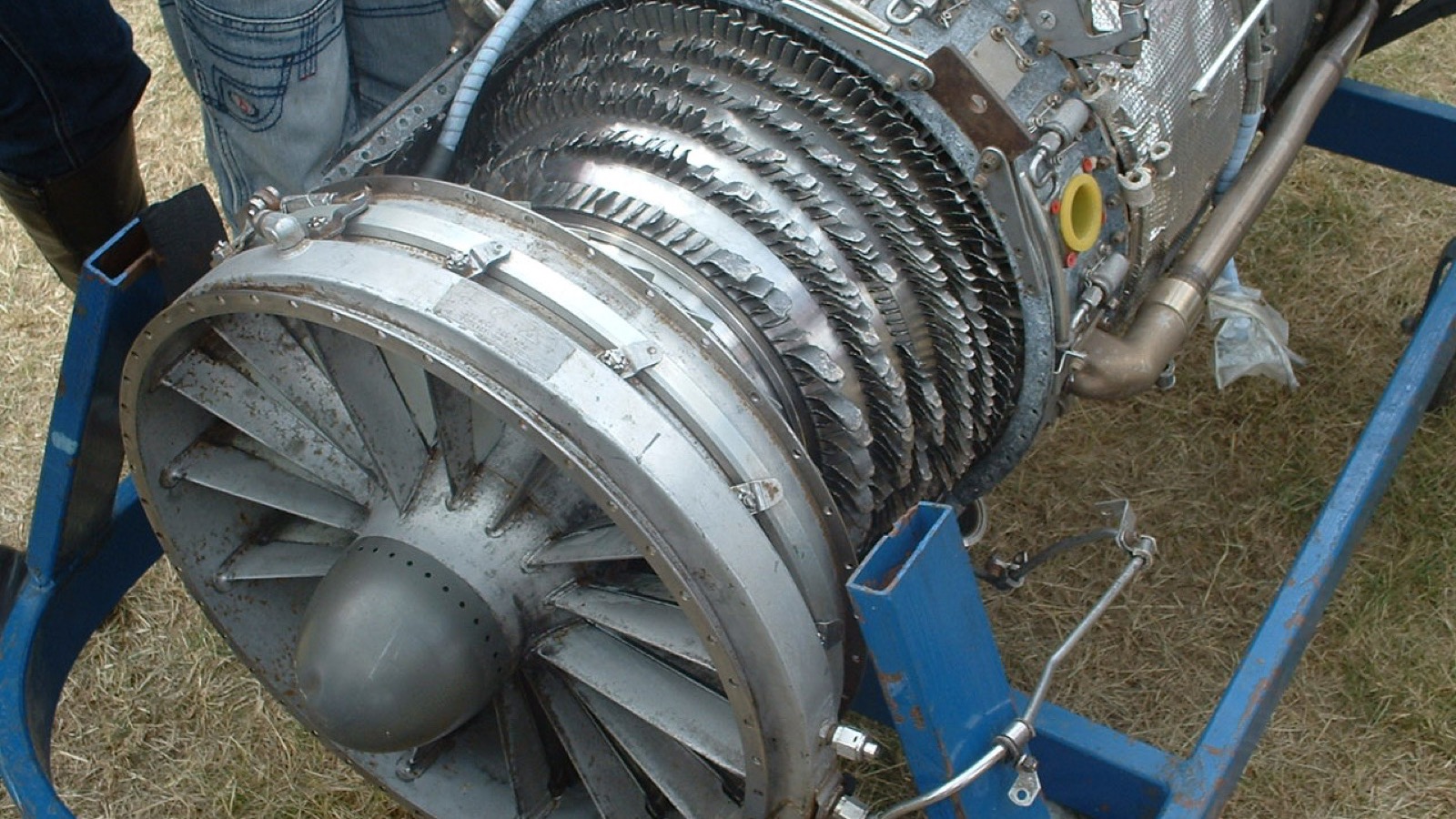
A bird strike is not just a dent in an aircraft. If a bird is ingested by a jet engine, fast-moving fan blades and the engine core can be affected.

World Explained · Travel and systems
An FAA ground stop holds selected departures before takeoff when an airport cannot safely accept its expected flow. Here is why the delay spreads far beyond that airport.

World Explained · History and landscapes
St Thomas was deliberately evacuated and flooded as Lake Mead filled. Falling water later exposed its roads and foundations, turning reservoir level into a moving history line.
Newest first
World Explained · world
Voyager 1 is due to reach one light-day from Earth on November 18. Here is what the milestone measures, why NASA is conserving power and what it cannot prove.
World Explained · Body and senses
It is called the photic sneeze reflex. Bright light can trigger the sneeze circuit in susceptible people, but the exact nerve crossover remains unsettled.
World Explained · Ocean science
There are more than 500 described shark species. Their different shapes show how one cartilaginous fish blueprint has adapted to feeding and living in very different waters.
World Explained · Transport and engineering
A bird strike is not just a dent in an aircraft. If a bird is ingested by a jet engine, fast-moving fan blades and the engine core can be affected.
World Explained · Space and astronomy
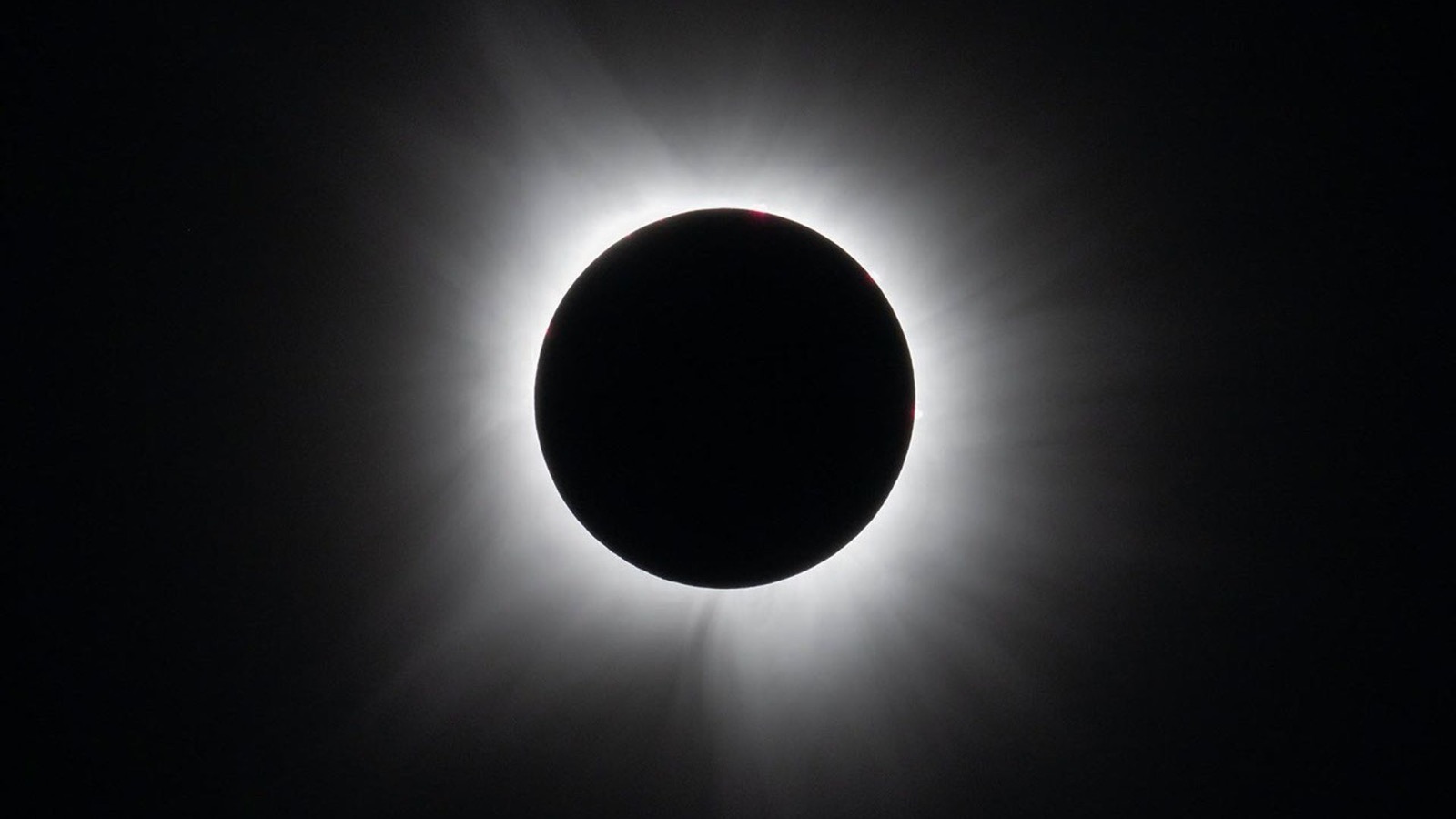
London's maximum eclipse on 12 August 2026 is 91%, but the remaining bright crescent means it is a partial eclipse. The Moon's narrow inner shadow falls elsewhere.

World Explained · Archaeology and trade
A Roman wreck found off Sicily carries hundreds of Dressel 1A amphorae. Their shapes, origins and arrangement may reveal what the ship carried and where it was travelling.
Newest first
World Explained · world
Voyager 1 is due to reach one light-day from Earth on November 18. Here is what the milestone measures, why NASA is conserving power and what it cannot prove.
World Explained · Body and senses
It is called the photic sneeze reflex. Bright light can trigger the sneeze circuit in susceptible people, but the exact nerve crossover remains unsettled.
World Explained · Ocean science
There are more than 500 described shark species. Their different shapes show how one cartilaginous fish blueprint has adapted to feeding and living in very different waters.
World Explained · Transport and engineering
A bird strike is not just a dent in an aircraft. If a bird is ingested by a jet engine, fast-moving fan blades and the engine core can be affected.
World Explained · Aviation and design
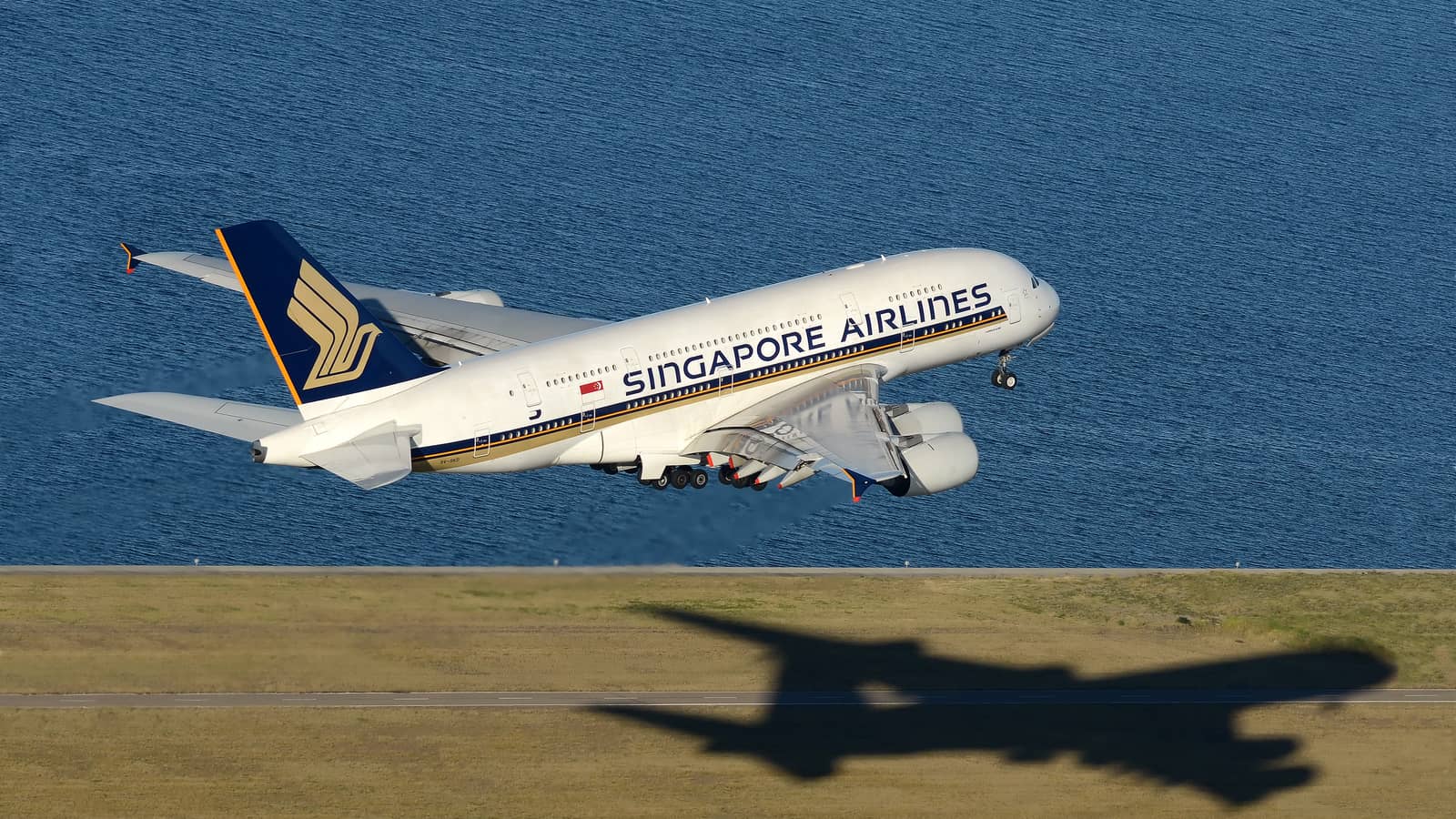
The four-engine superjumbo is costly to operate when demand is thin, but one full A380 can move a huge crowd through a scarce airport slot and support a premium long-haul product.

World Explained · Digital evidence
Content Credentials bind signed claims about a file's origin and edits to the file itself. They expose tampering with that record, but they cannot verify the scene or caption.
Newest first

Australian Curiosity · Wildlife
An echidna hatches from a soft egg, then depends on months of milk released through pores in its mother's skin. Both parts belong to one mammalian story.
World Explained · Body and senses
It is called the photic sneeze reflex. Bright light can trigger the sneeze circuit in susceptible people, but the exact nerve crossover remains unsettled.
World Explained · Digital evidence
Content Credentials bind signed claims about a file's origin and edits to the file itself. They expose tampering with that record, but they cannot verify the scene or caption.
World Explained · Biology and perception
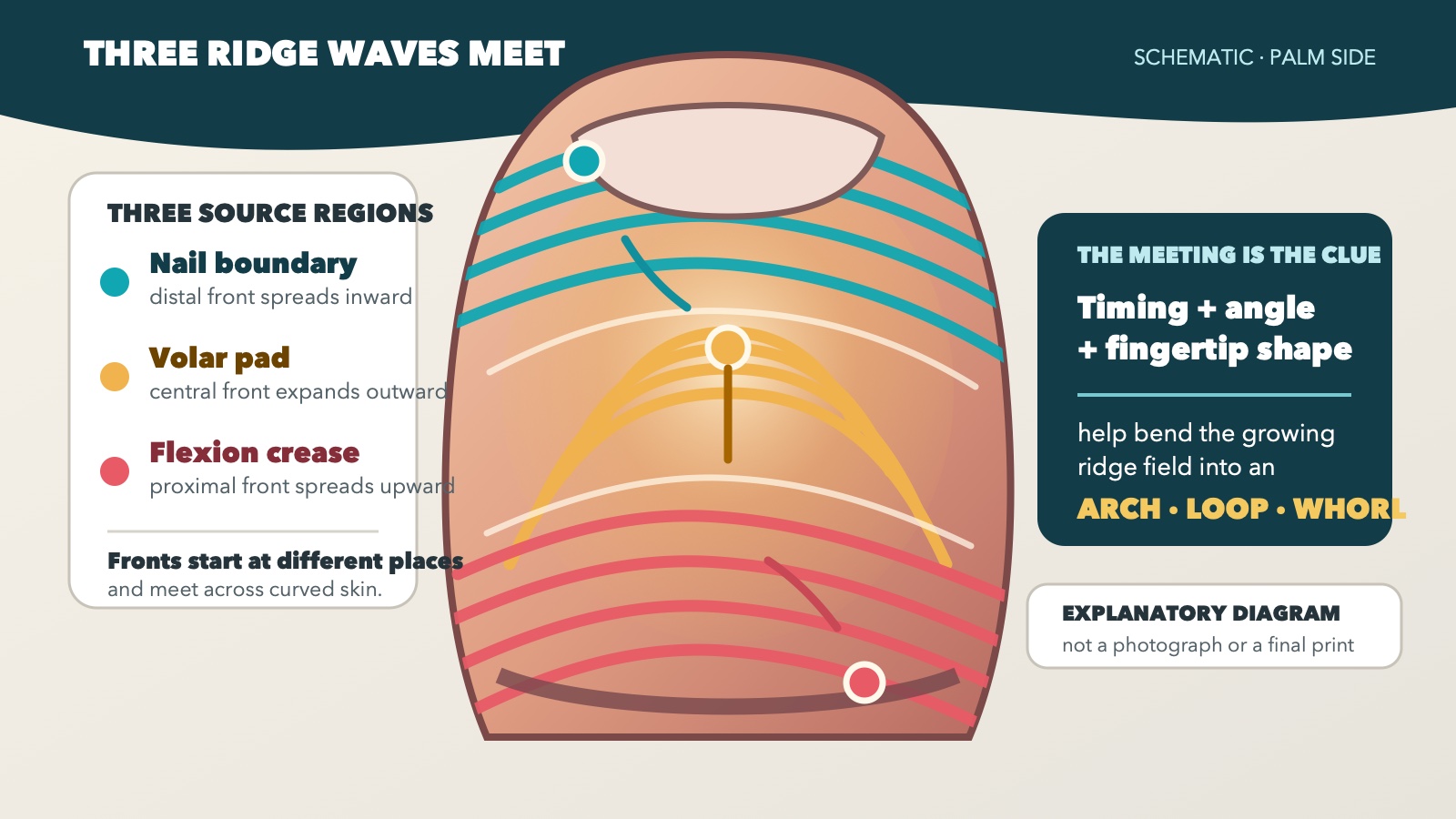
Fingerprints form when gene-guided ridge waves spread from a fetal fingertip's pad, nail edge and flexion crease. Their timing and geometry shape each pattern.
World Explained · Quantum computing
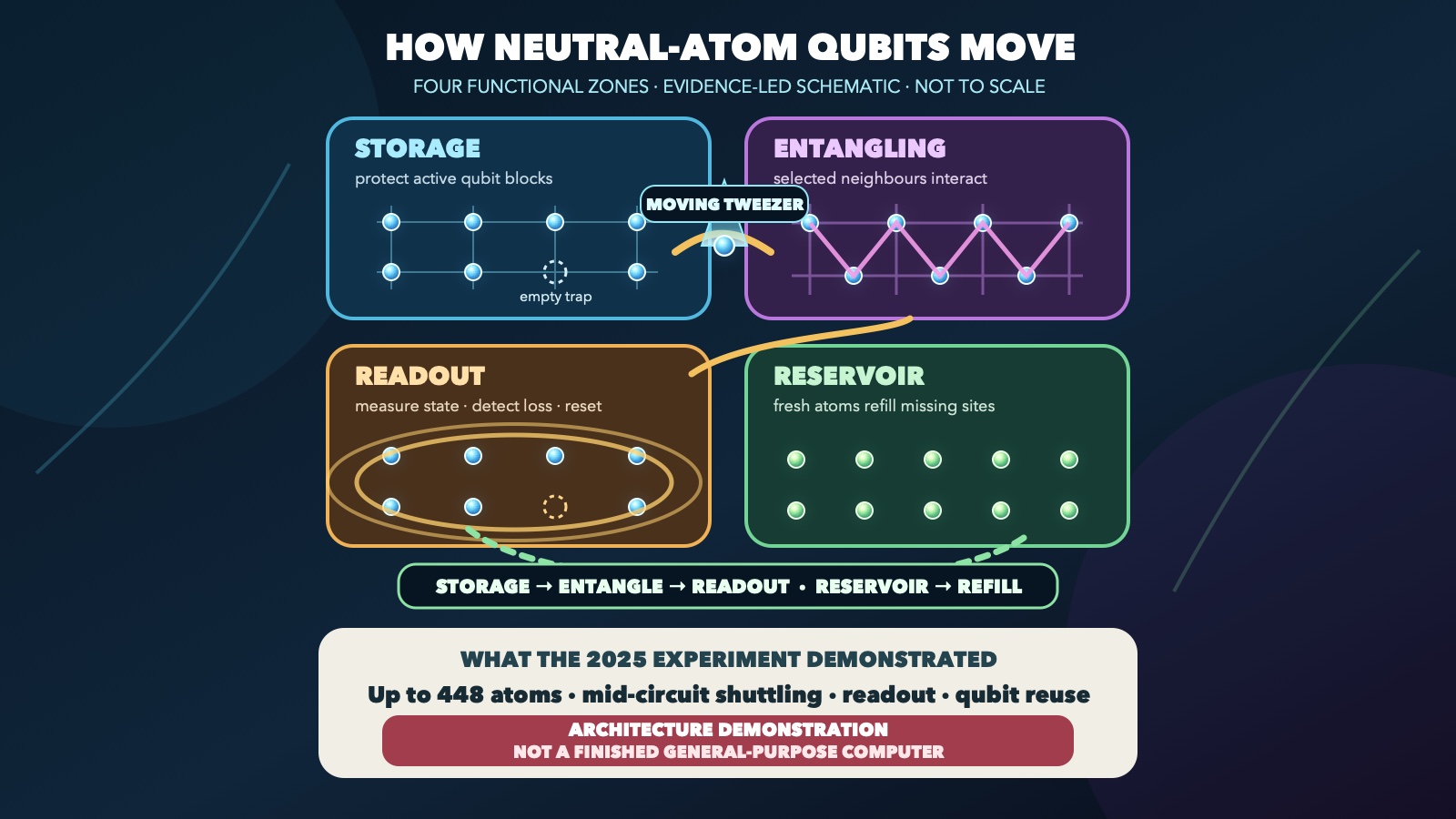
Laser tweezers let a neutral-atom processor shuttle qubits between storage, logic and readout zones, then replace lost atoms while a longer calculation continues.

World Explained · Food and chemistry
A hard popcorn shell traps steam until hot starch breaks through, forms a temporary leg and flips the kernel. The pop is released vapour, not the shell cracking.
Newest first
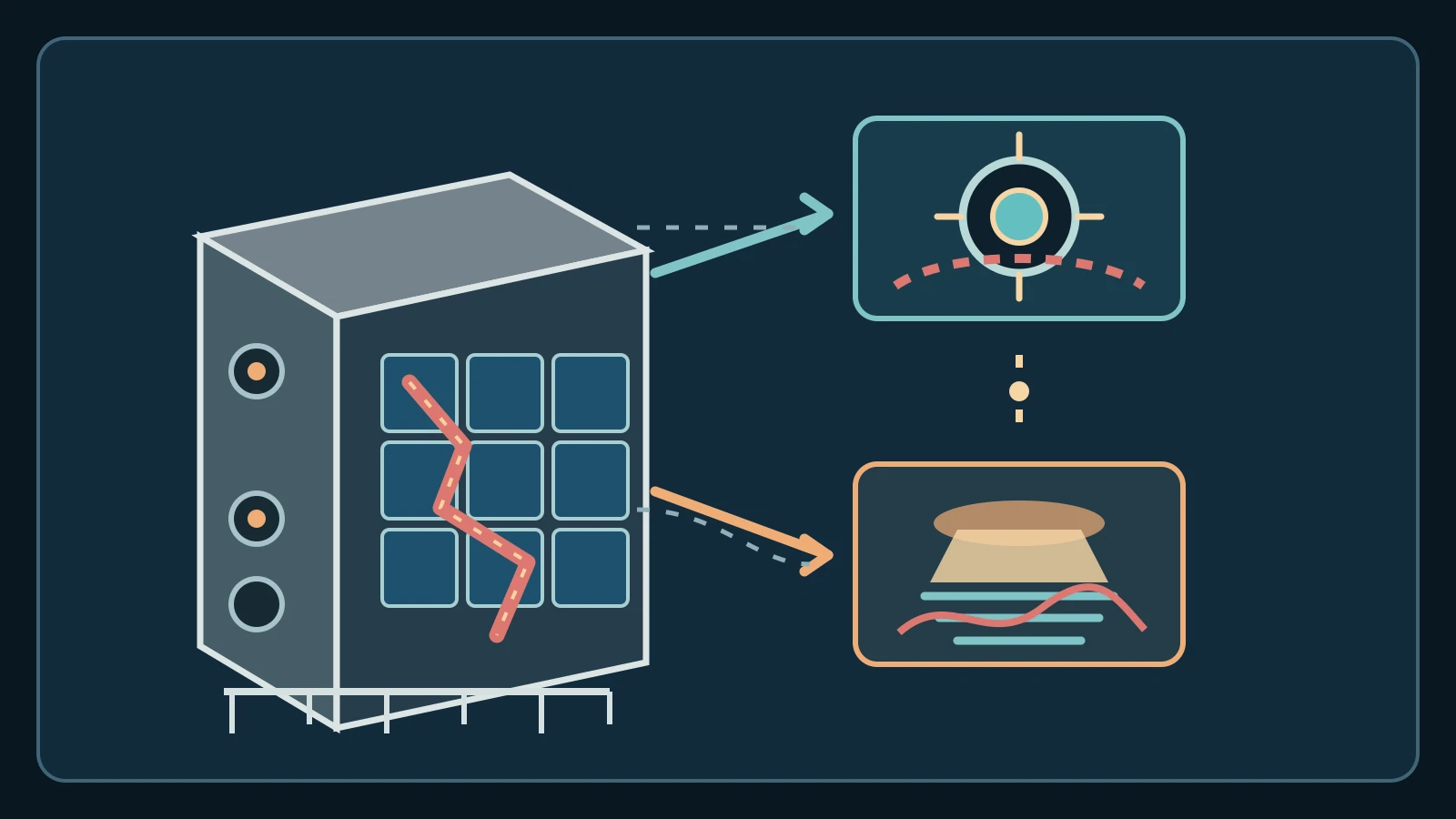
World Explained · Physics and space
Photoluminescence maps damaged cells; a pulsed AM0-like simulator measures electrical response. Da Vinci's result is preliminary, not a flight-ready verdict.

World Explained · Physics and space
ESCAPADE will combine Earth's gravity with a roughly nine-minute engine burn near closest approach. Here is what the maneuver changes—and what NASA has not yet proved.
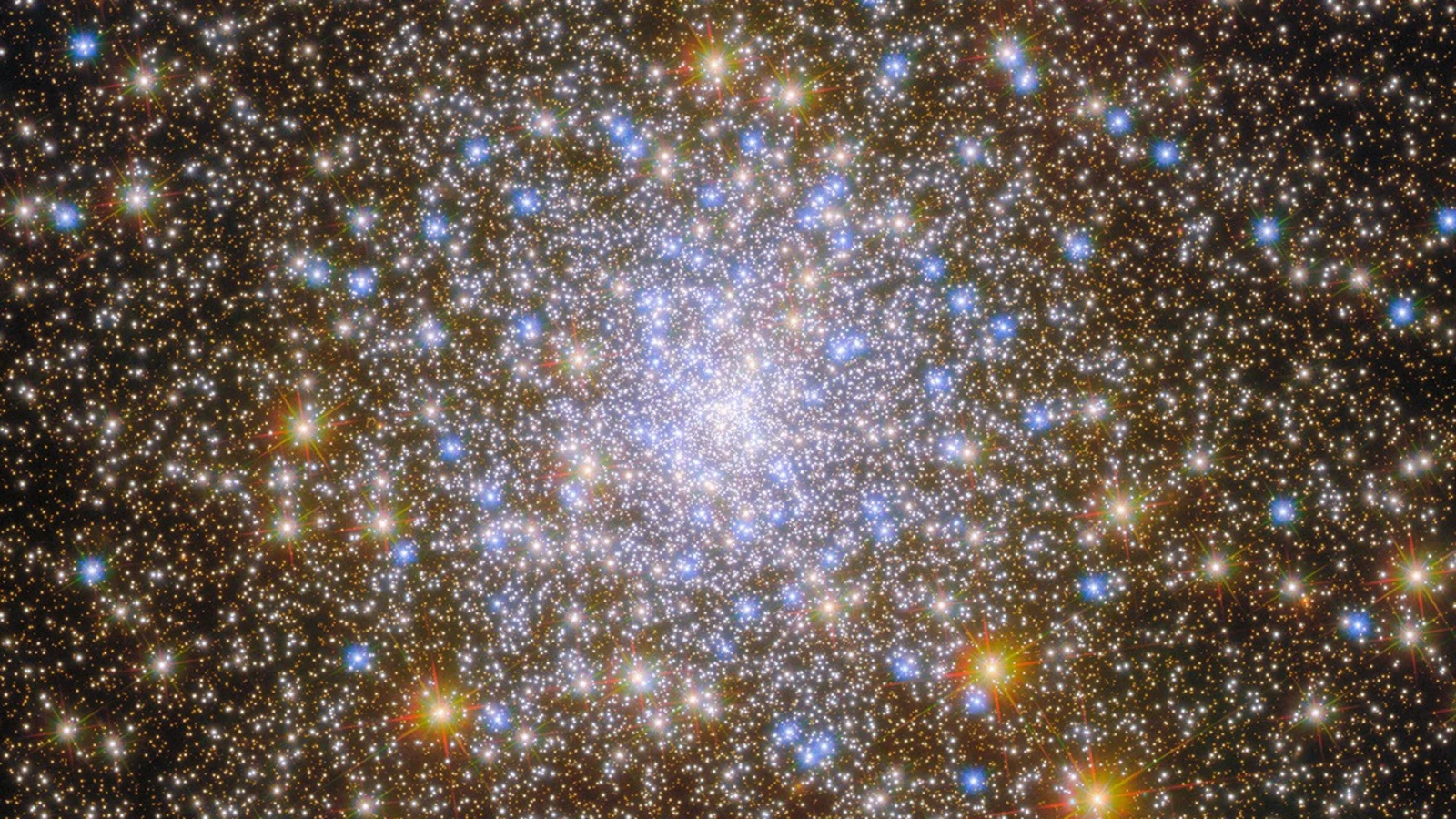
World Explained · Physics and space
Messier 30 preserves clues in its stars' light, ages and motion. Hubble observations show what that record can—and cannot—say about the Milky Way's past.
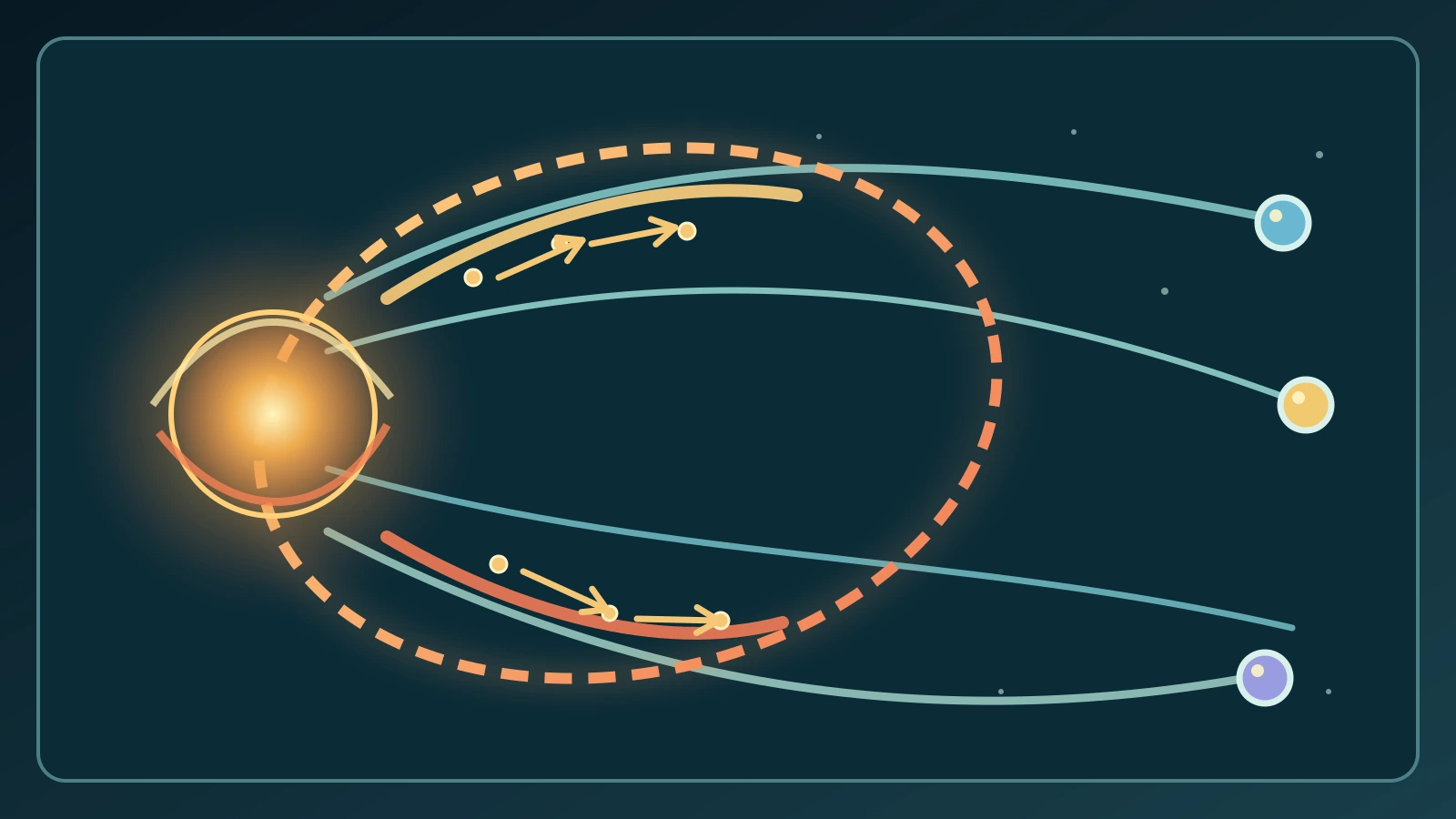
World Explained · Physics and space
A multi-spacecraft study finds early flare signatures plus an evolving CME-shock contribution—and shows why one accelerator cannot explain the whole event.

World Explained · Physics and space
A flare alert combines X-ray, ultraviolet and imaging data to help a sounding-rocket team choose a launch window before the brief observation flight ends.
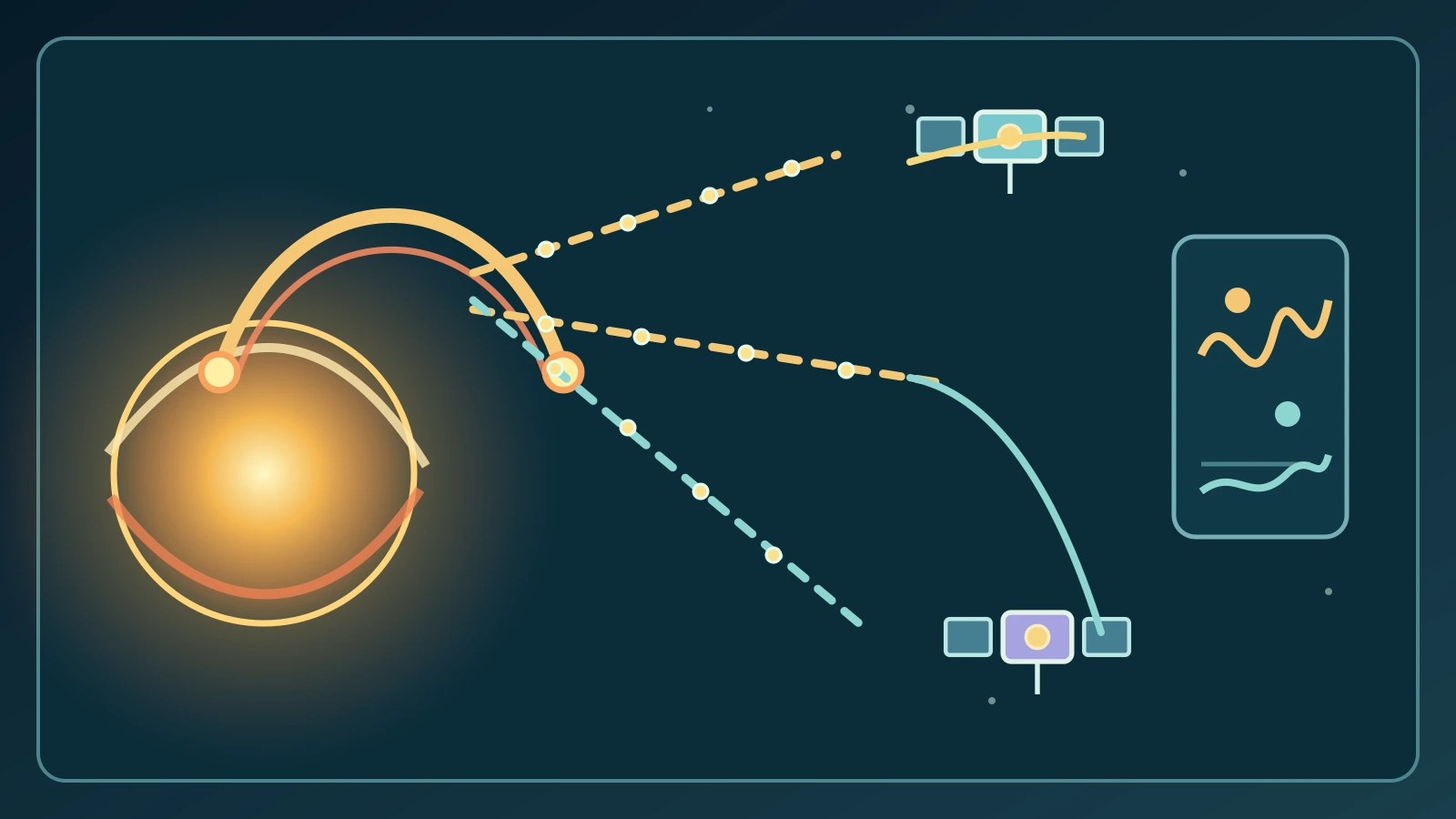
World Explained · Physics and space
PADRE and MeDDEA use hard X-rays, two viewpoints and polarization clues to trace how flare electrons move—without pretending to photograph the acceleration site.