Why scrubbing grout harder can remove the grout itself
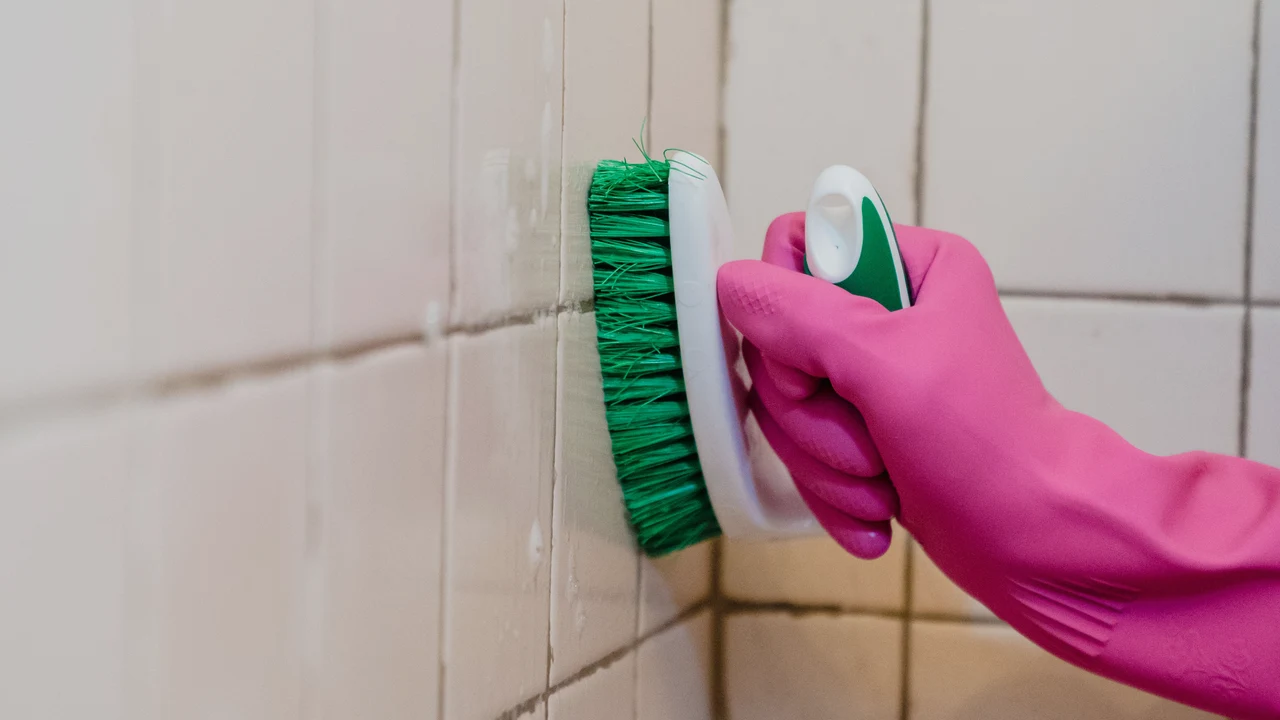
Cement grout, epoxy grout and flexible sealant are different materials. Repeated acid and force can remove the joint without solving the moisture, residue or installation problem beneath the stain.
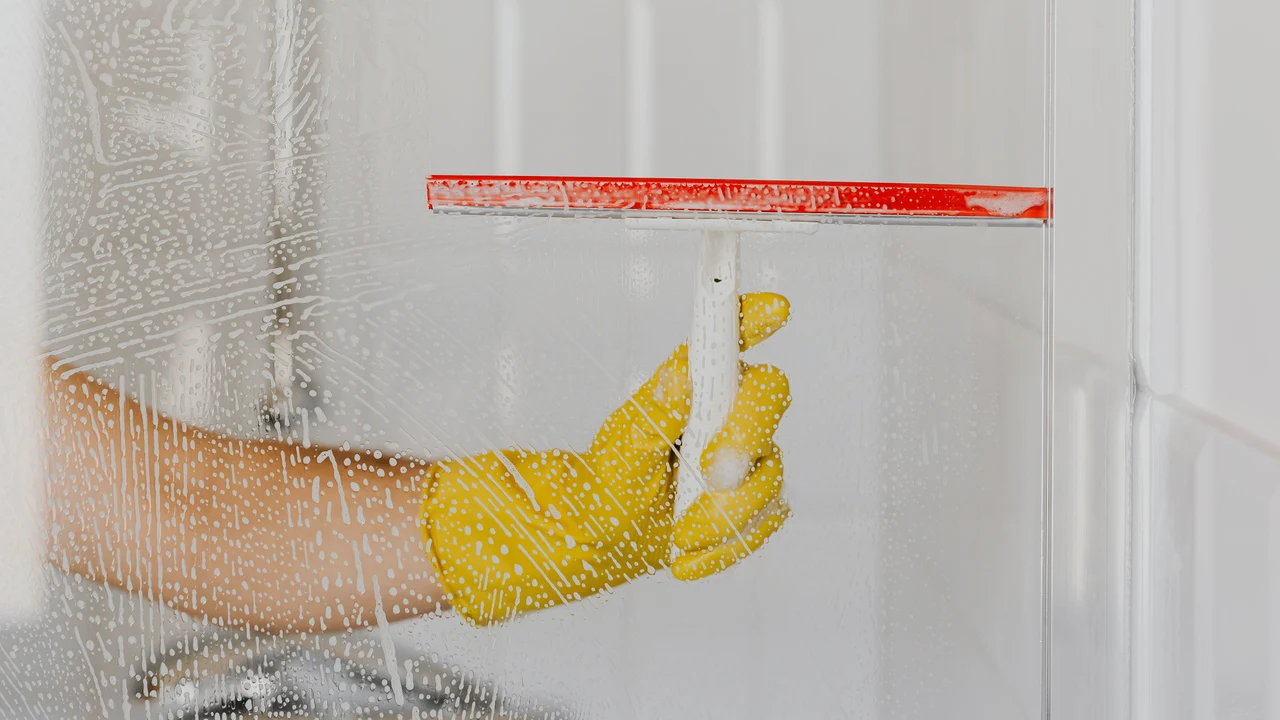
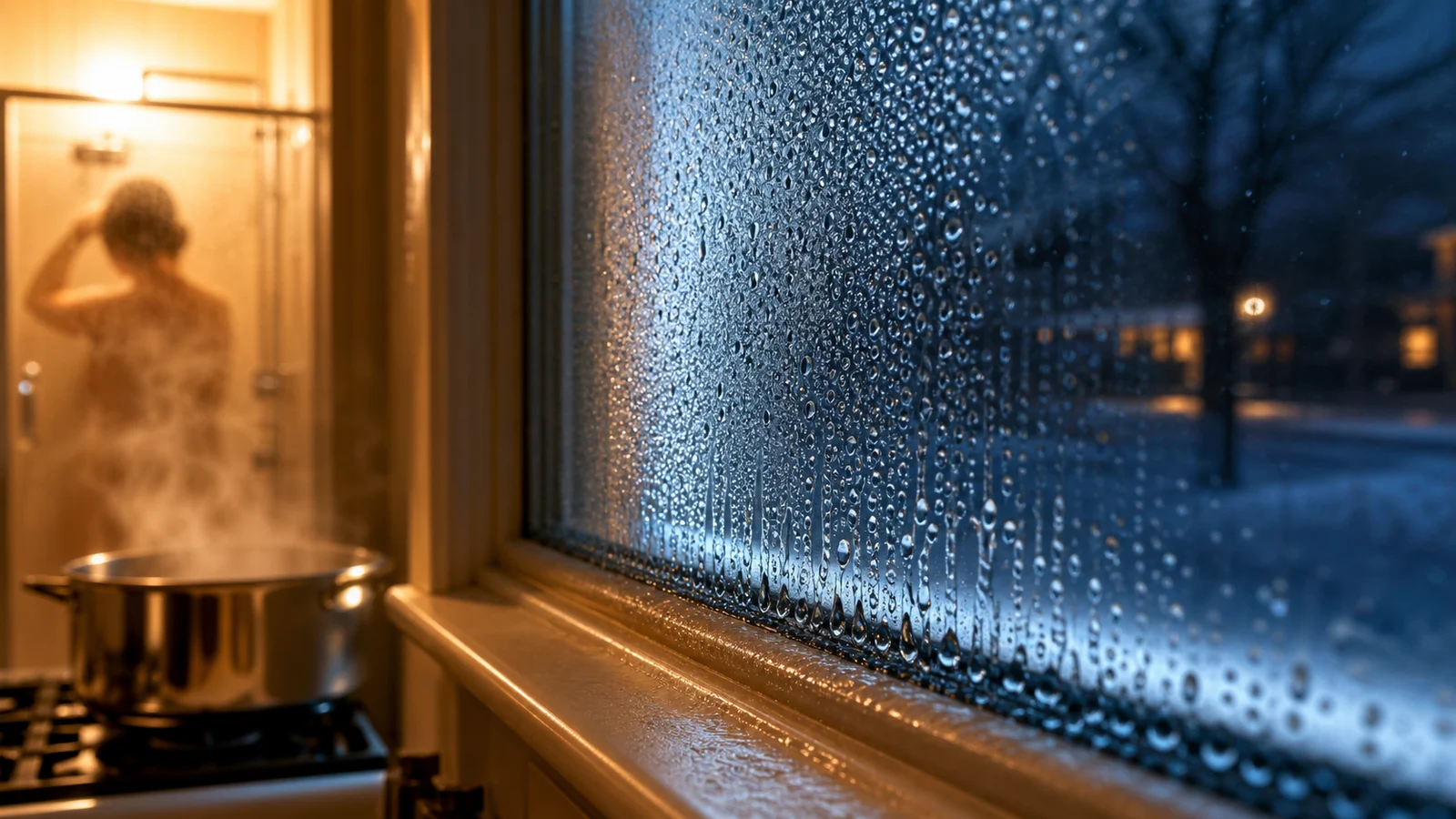
Cloudy shower glass may be wet condensation, soap film, mineral scale, scratches or chemical corrosion. A small dry test can separate removable residue from permanent damage before stronger cleaning makes the problem worse.
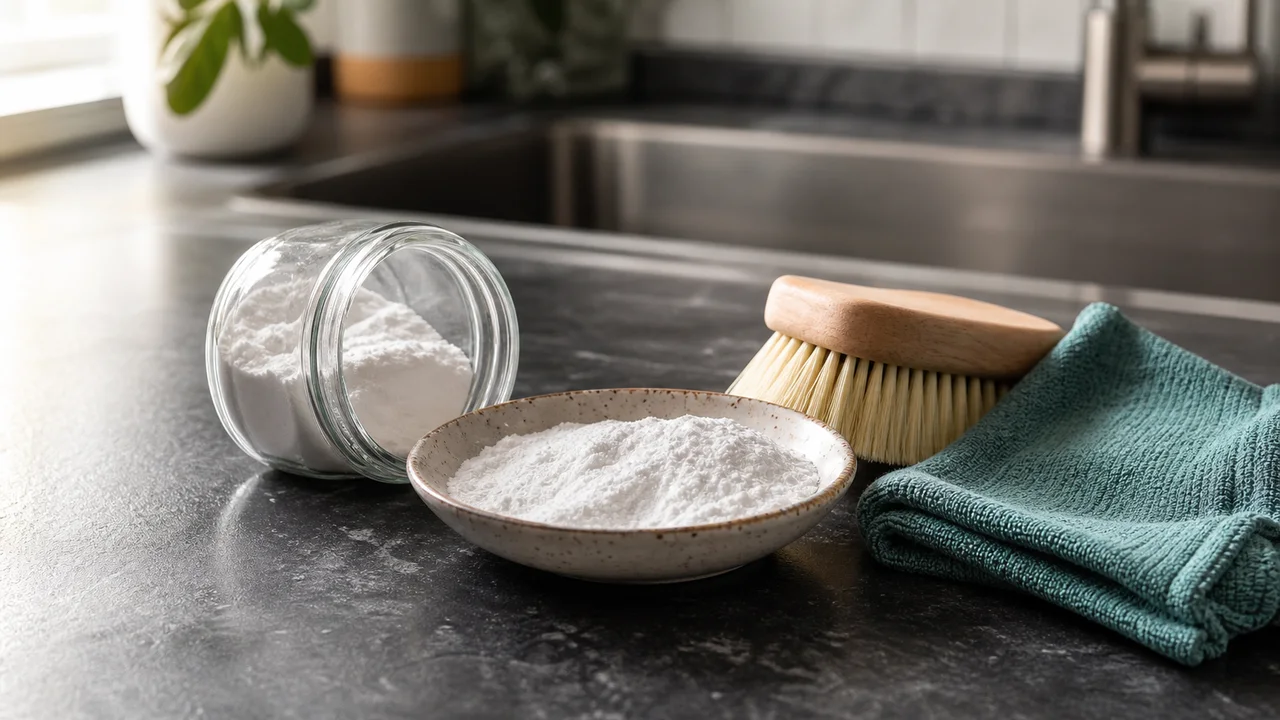
Baking soda brings mild alkalinity and fine particles, not detergent, disinfectant or automatic safety for every surface. The soil and material decide whether it helps.
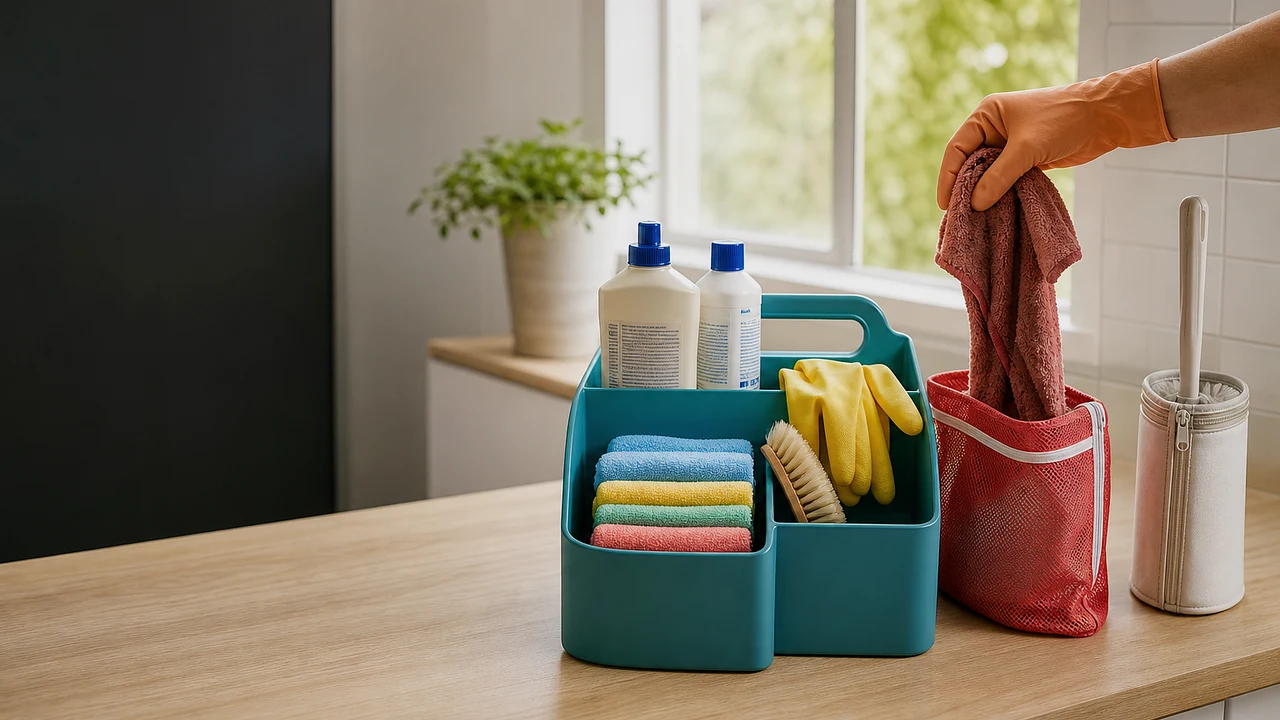
A cleaning caddy saves steps only when it controls decisions. Pack fewer compatible products, keep clean and used tools apart, then empty and dry it after the job.
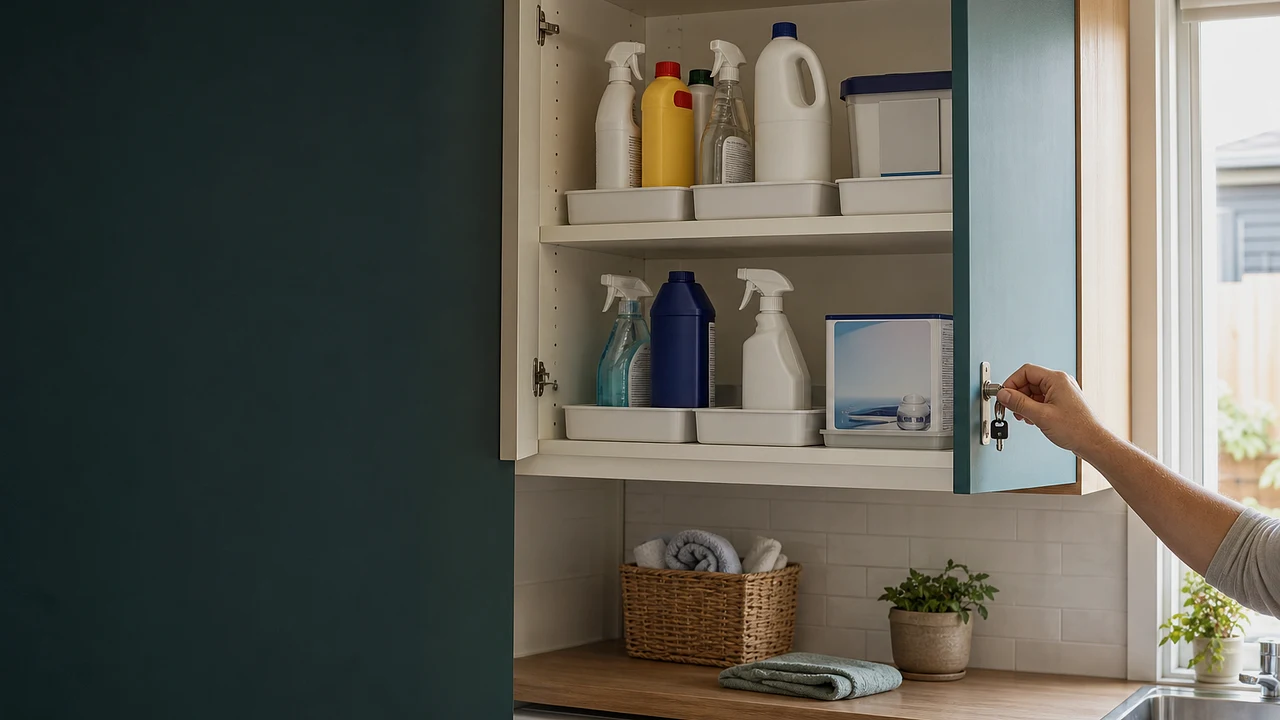
A locked cupboard helps only if every bottle reaches it. Safe cleaner storage begins at purchase, continues through use and ends with local hazardous-waste disposal.
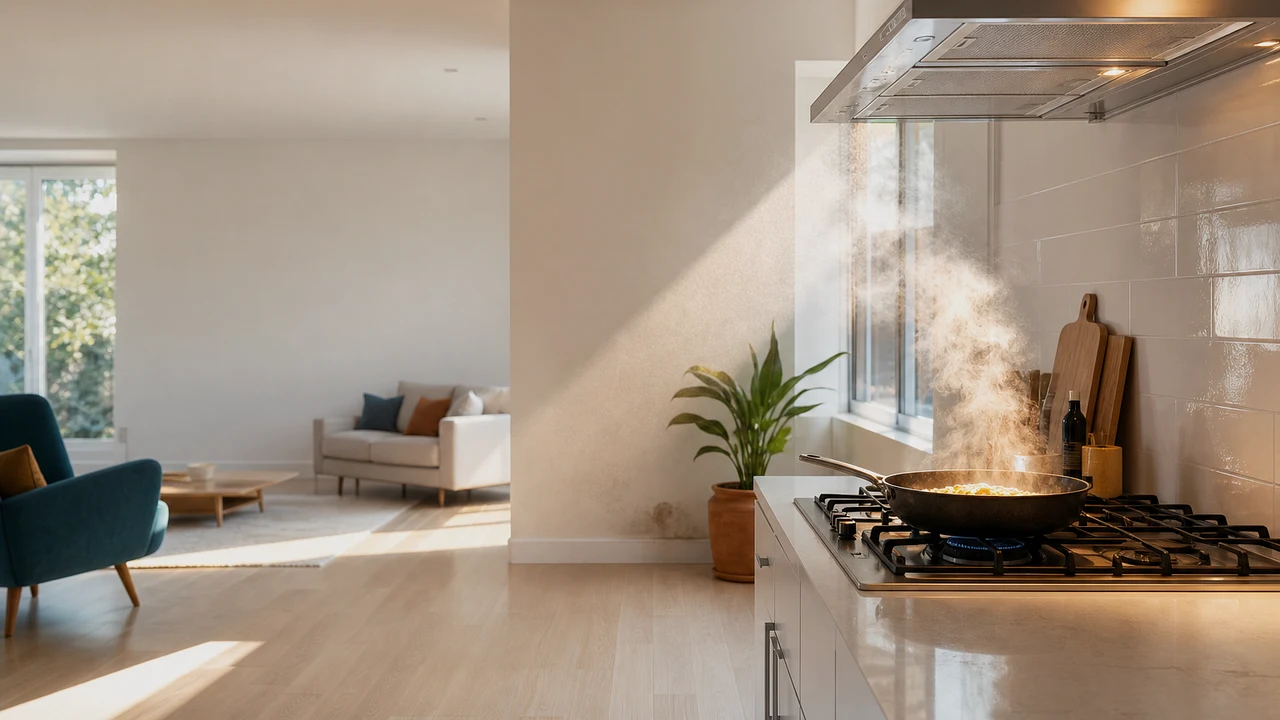
A polished bench and dust-free floor cannot reveal fine cooking particles, combustion gases, product vapours or moisture hidden inside materials. Indoor-air control begins with the source, not the shine.
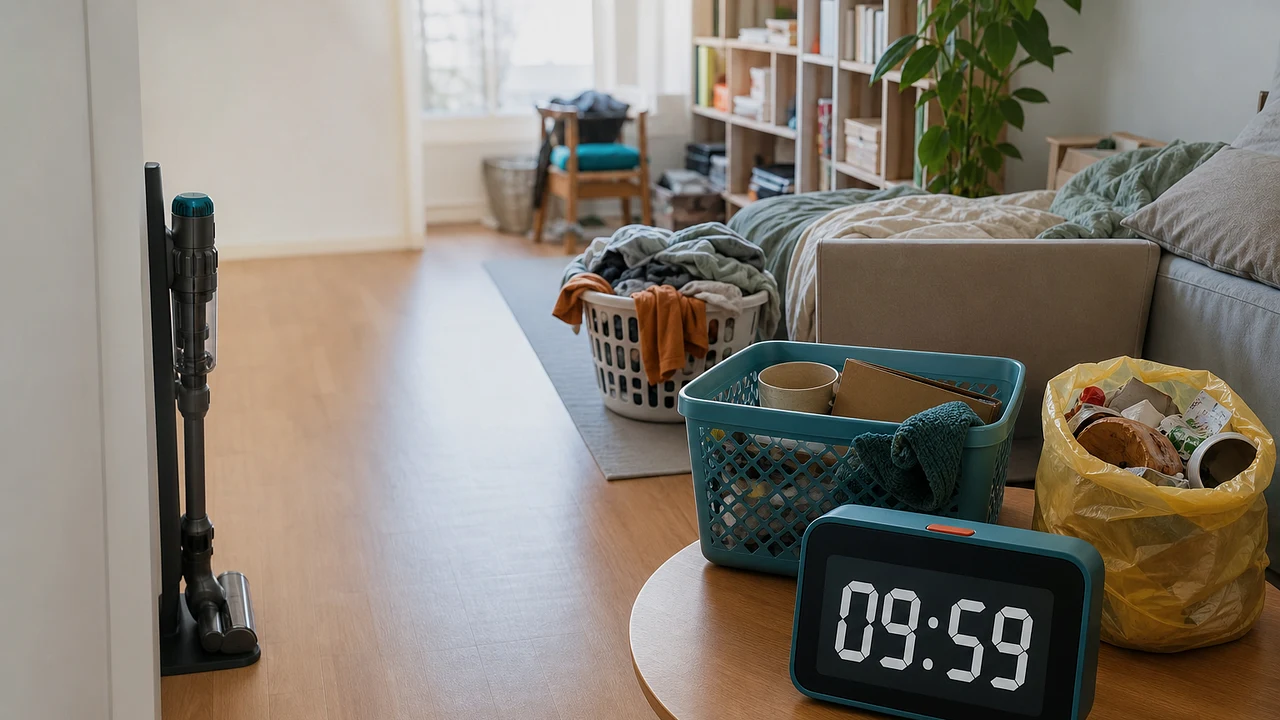
Ten minutes cannot deep-clean a room. It can remove immediate hazards, food, dishes and laundry, clear the main walking path and leave one priority surface genuinely cleaner.
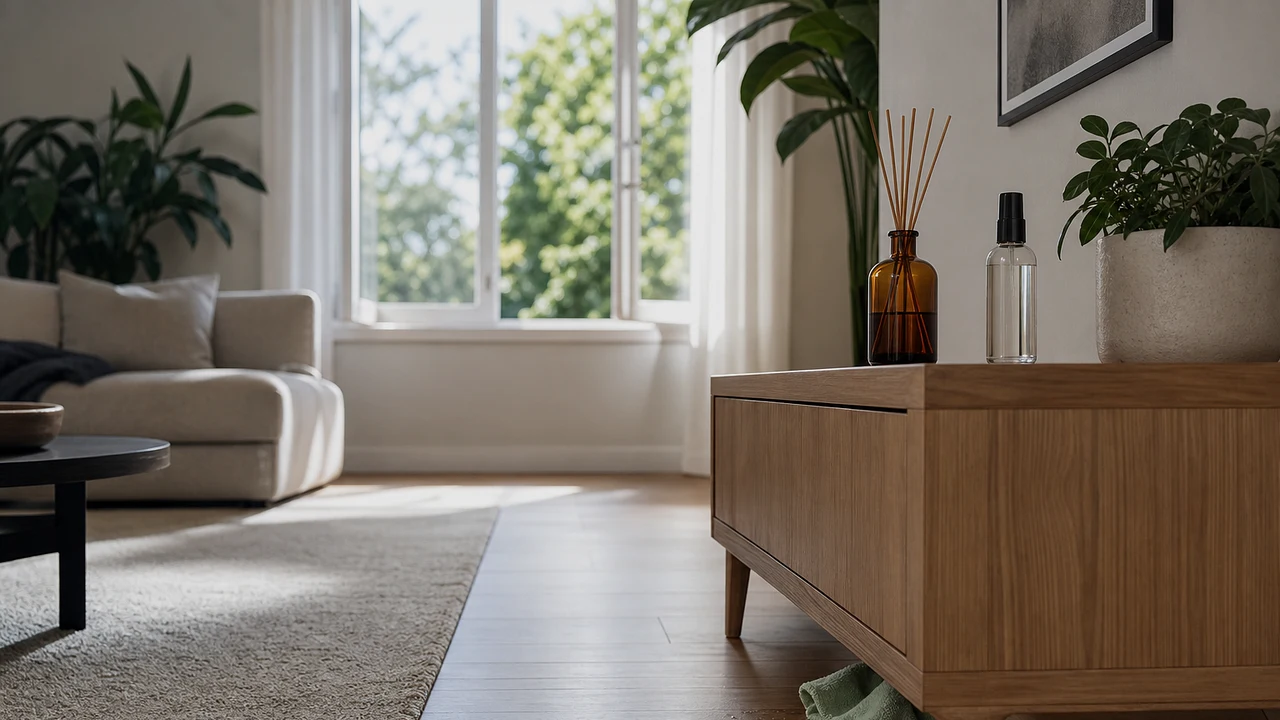
A pleasant fragrance can change what a room smells like without removing the spill, moisture, residue or waste underneath. Cleanliness is demonstrated by source removal, a suitable process and complete drying.
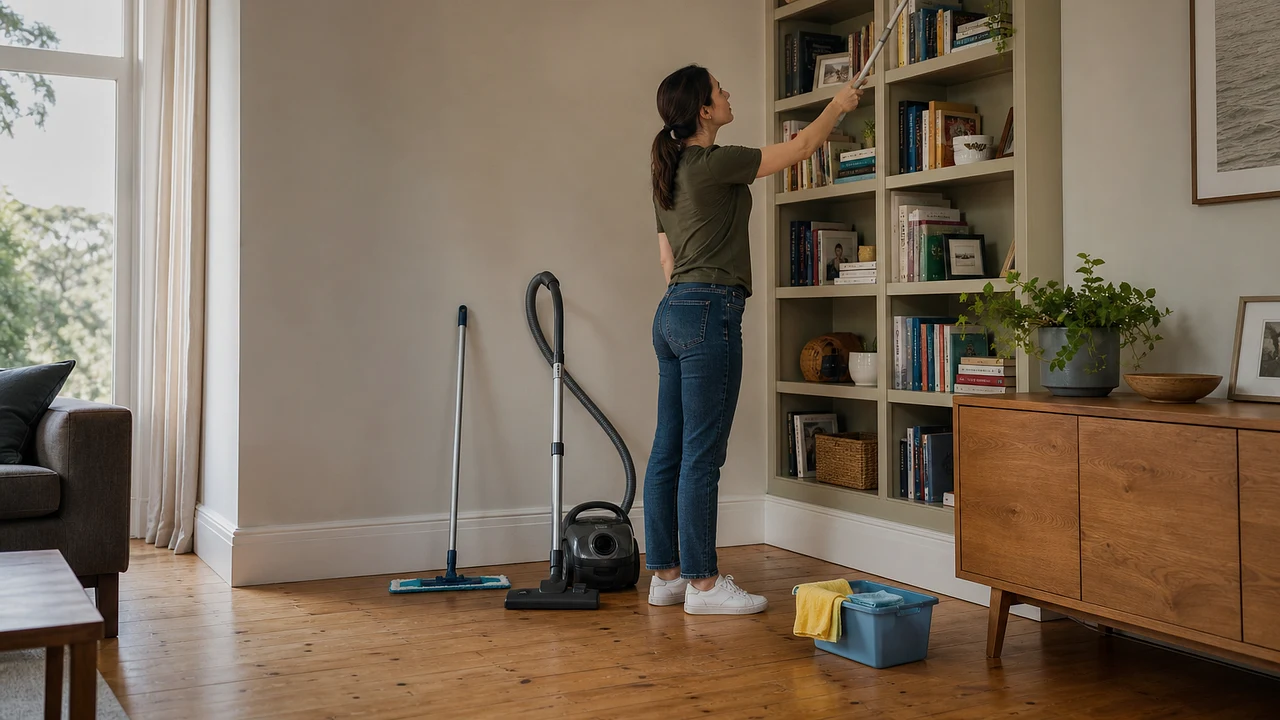
A high-to-low, clean-to-dirty route keeps falling dust and dirty droplets away from finished surfaces. The useful system starts with a room check and ends at the doorway with the floor.
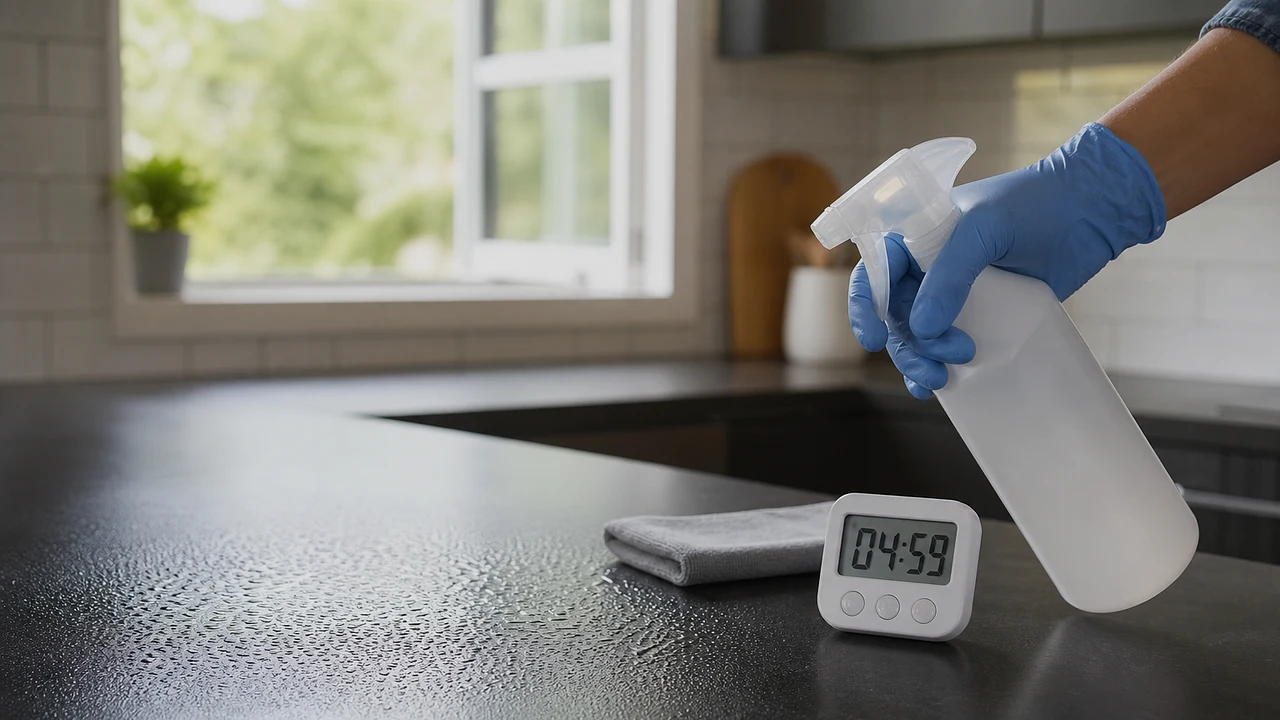
A disinfectant only matches its tested use when the right surface stays visibly wet for the full contact time on the label. A fast spray and wipe can clean without completing that process.
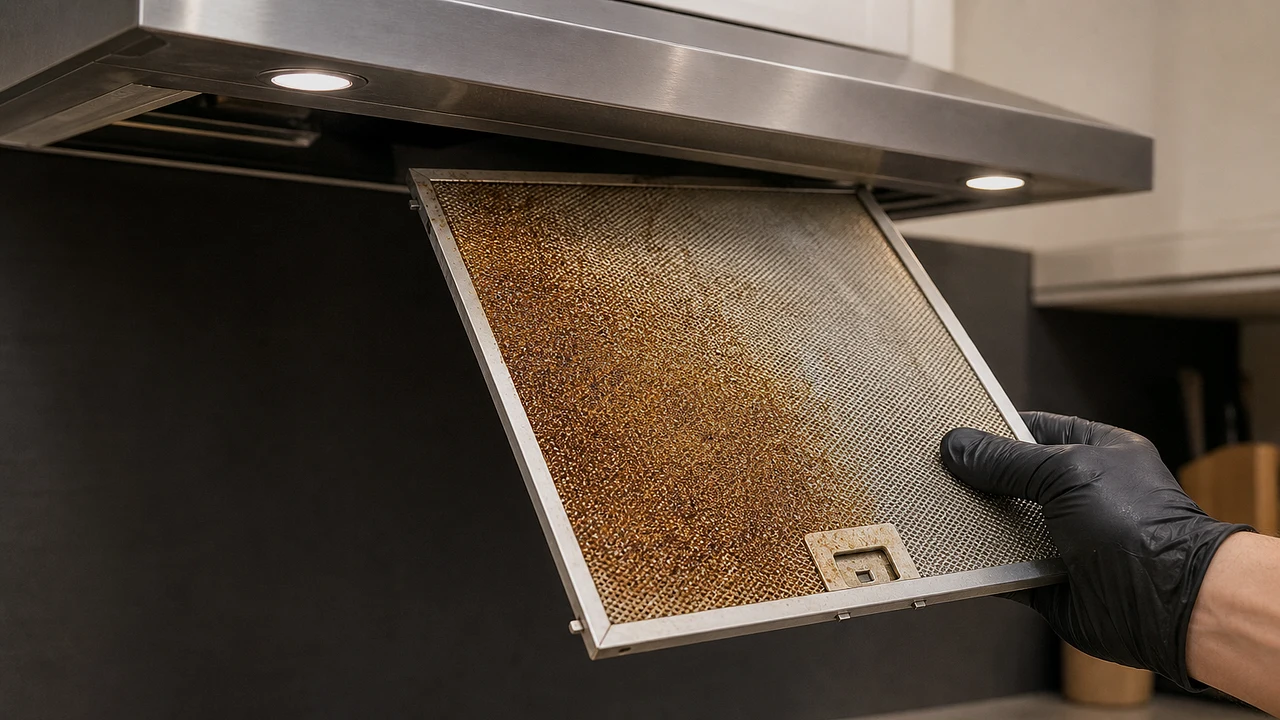
A grease-loaded rangehood filter can hinder extraction, increase residue around the kitchen and add fire risk. The safe fix depends on whether the filter is washable metal or an odour-control cartridge.
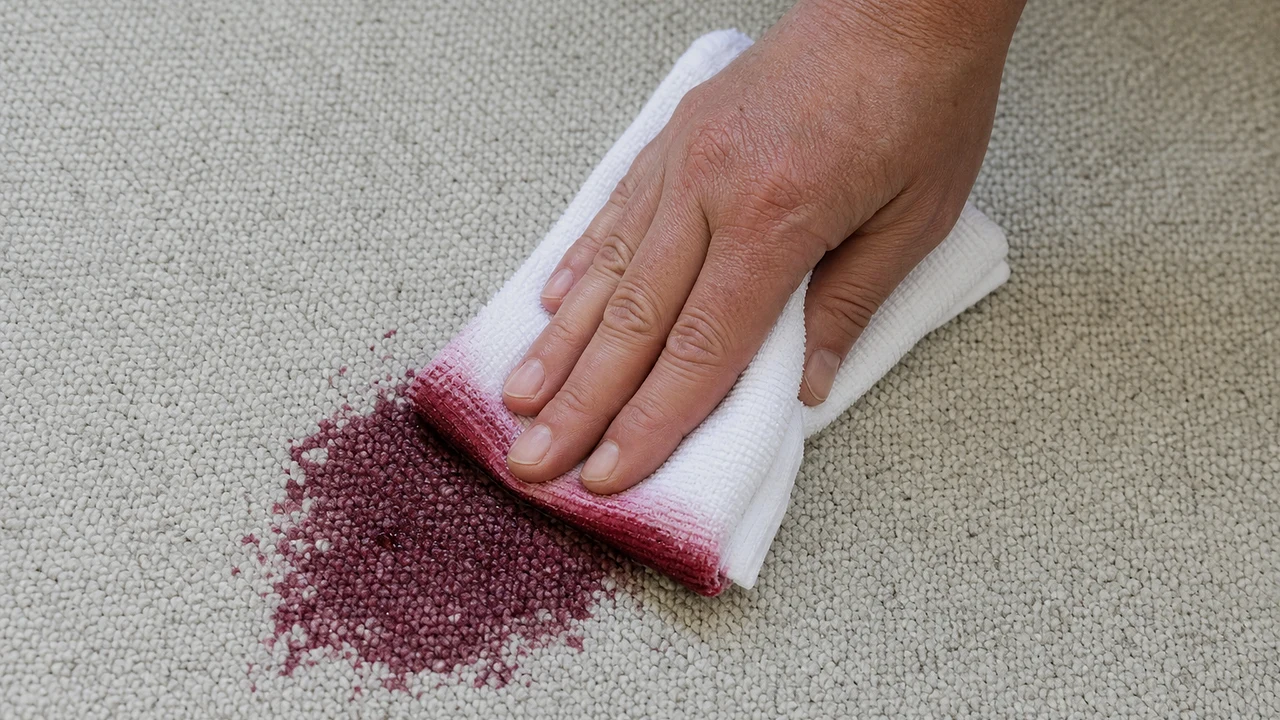
Blotting gives an absorbent cloth time to lift a fresh carpet spill. Scrubbing drags liquid across more fibres and can fray or distort the pile before the stain is treated.
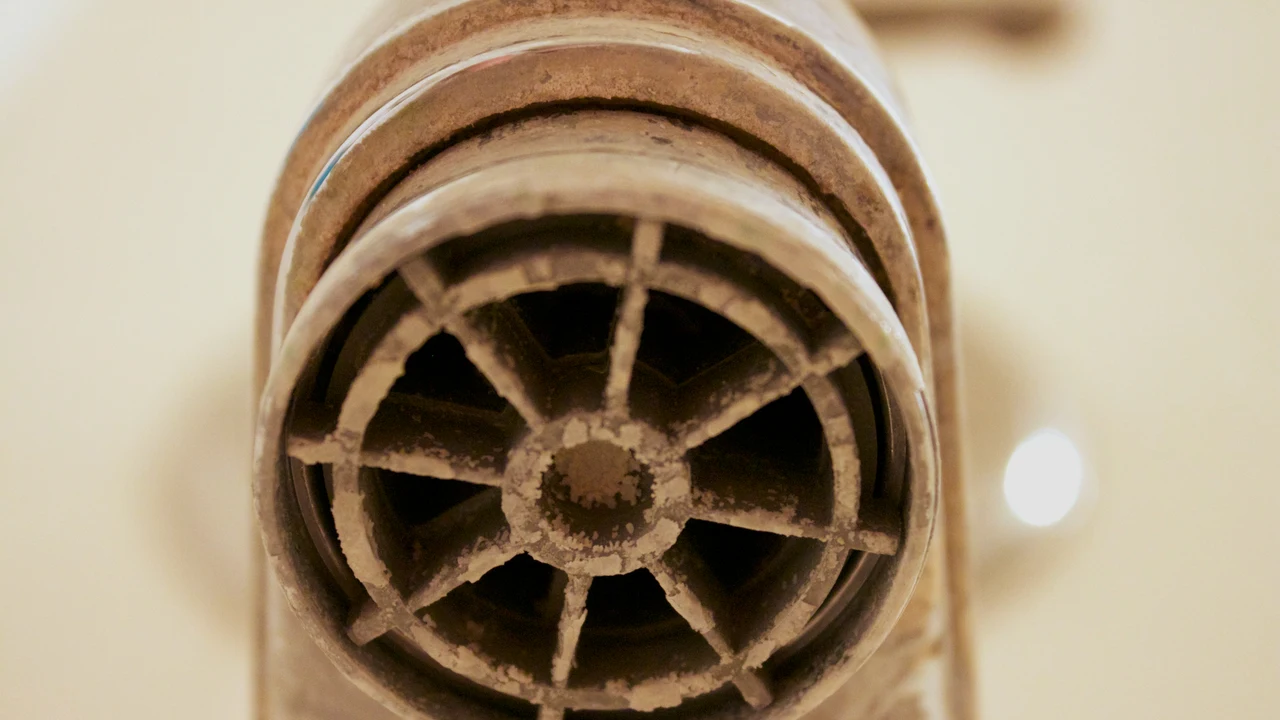
Limescale can yield to acid, but stone, plated metal, protective coatings and appliances do not share one safe recipe. Identify the deposit and finish before choosing the method.
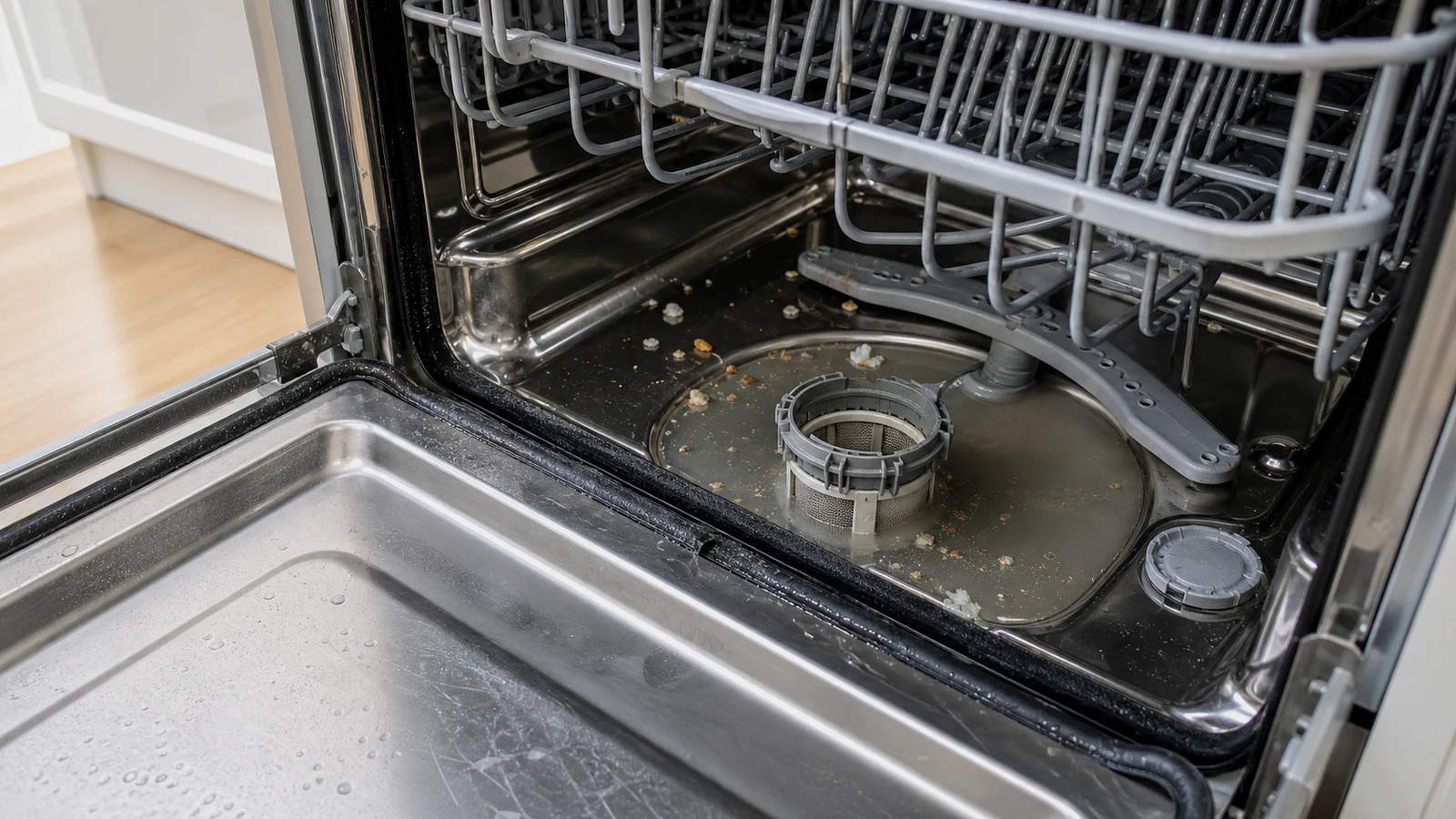
A hot wash can finish clean while food, biofilm or dirty water remains in a protected part of the machine. The type and location of the smell help identify what to inspect next.
An existing home can now receive two related energy ratings. One covers whole-home energy use, while the other measures how well the building stays comfortable.
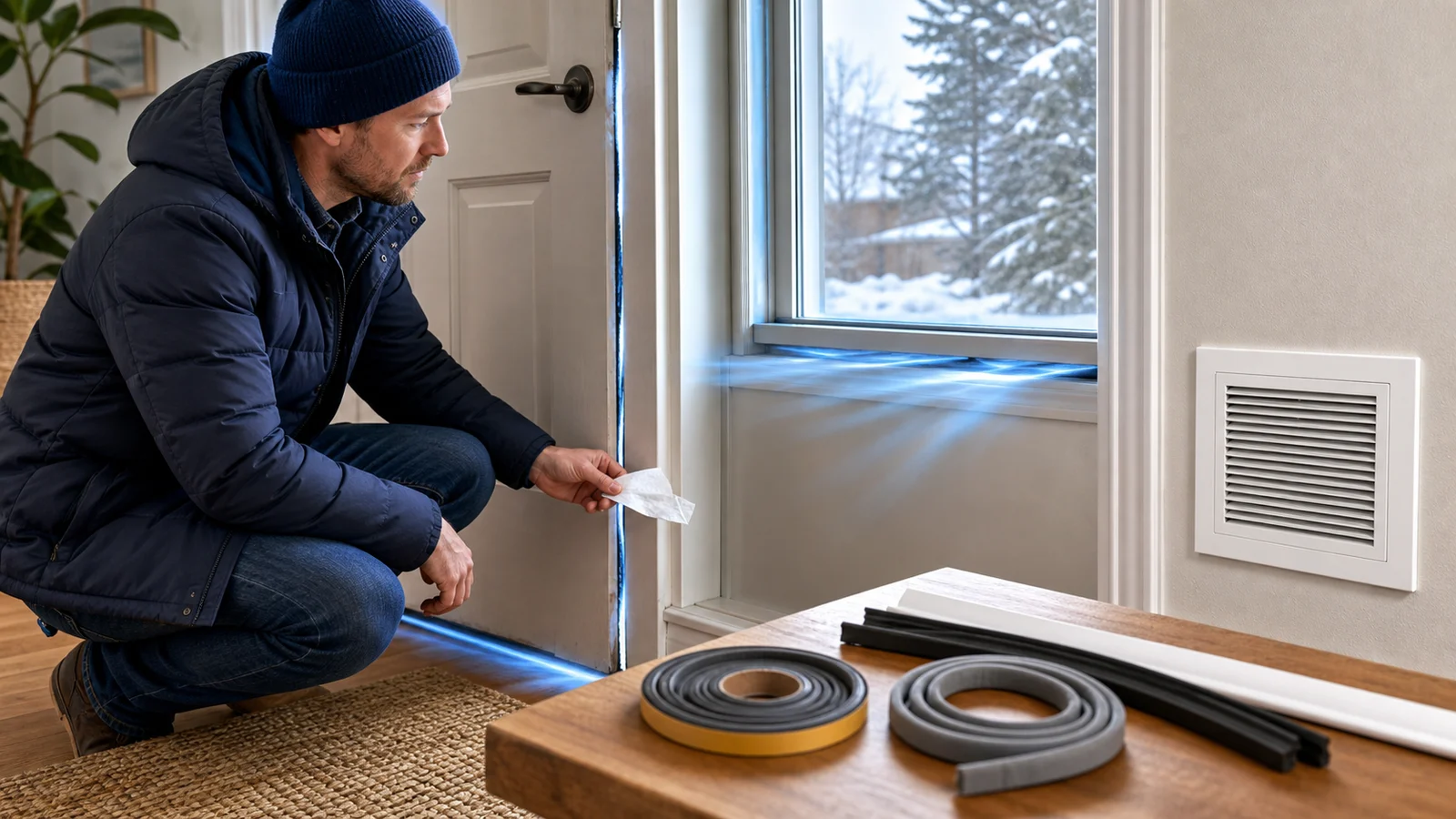
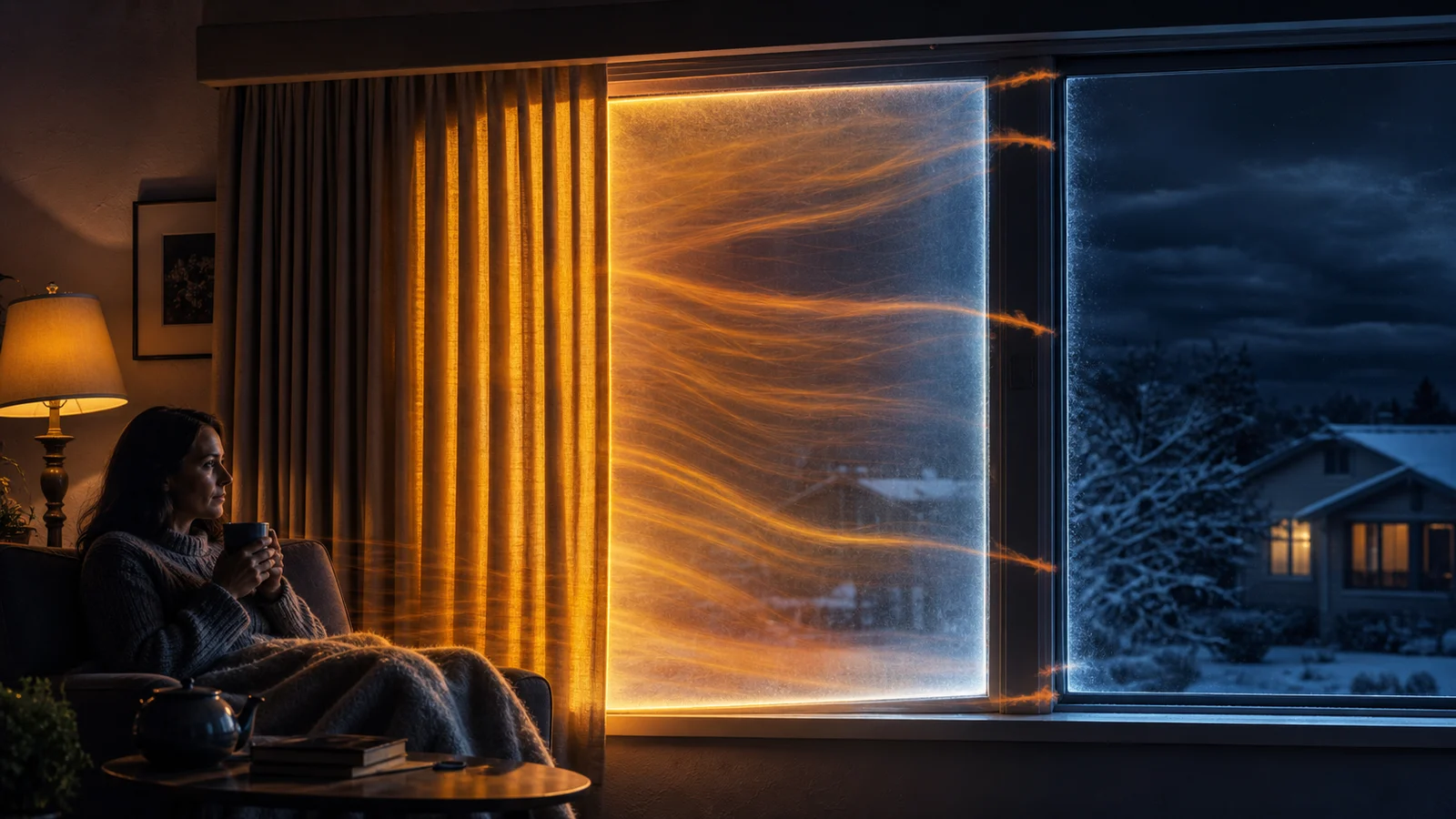
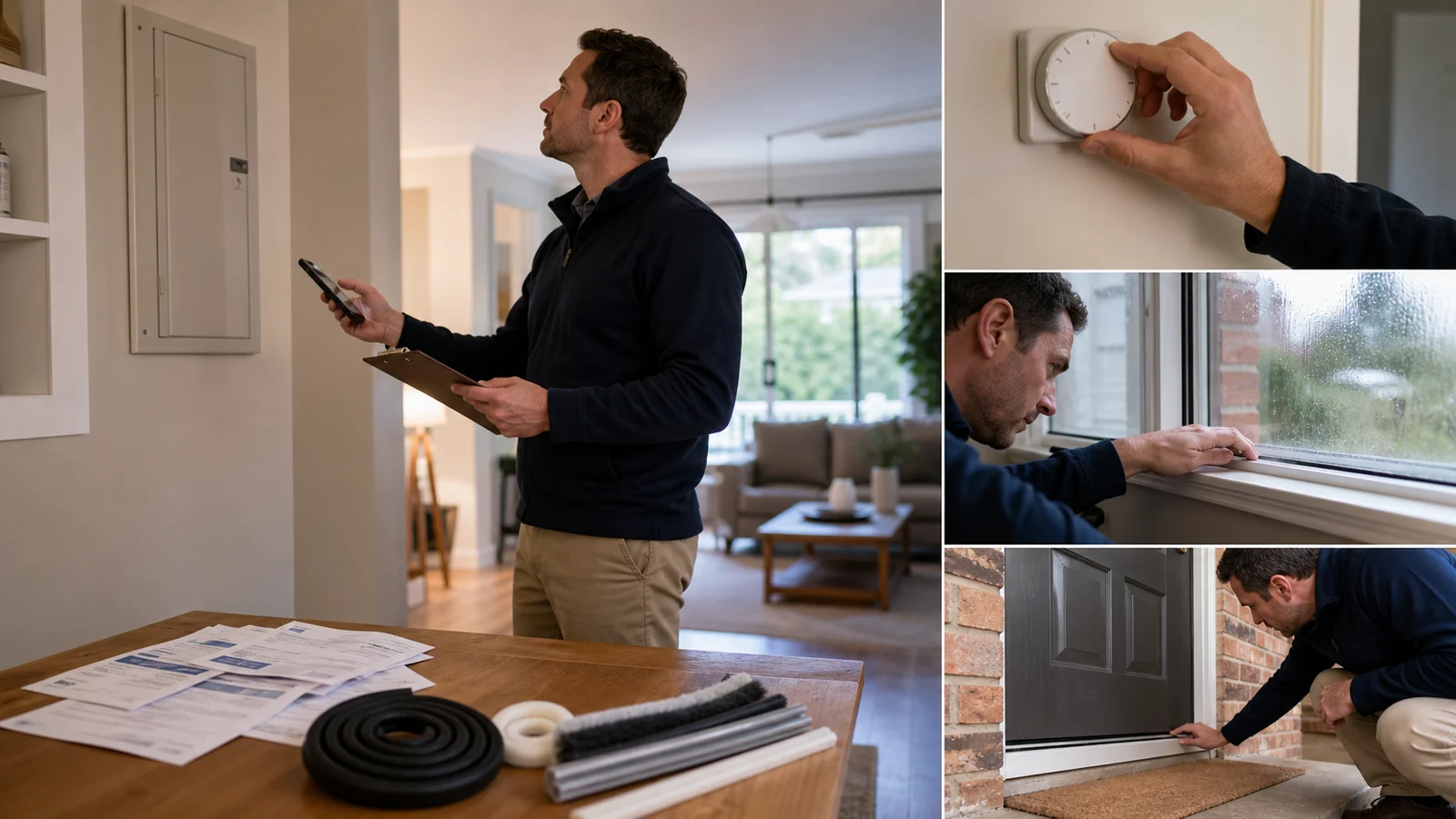
Cold air may be entering around doors, windows, floors or exhaust openings. A careful room-by-room check can identify the useful fixes without blocking safety ventilation.
An assessment will not renovate the house for you, but it can stop attractive upgrades from jumping ahead of the work that would fix the largest comfort problems.
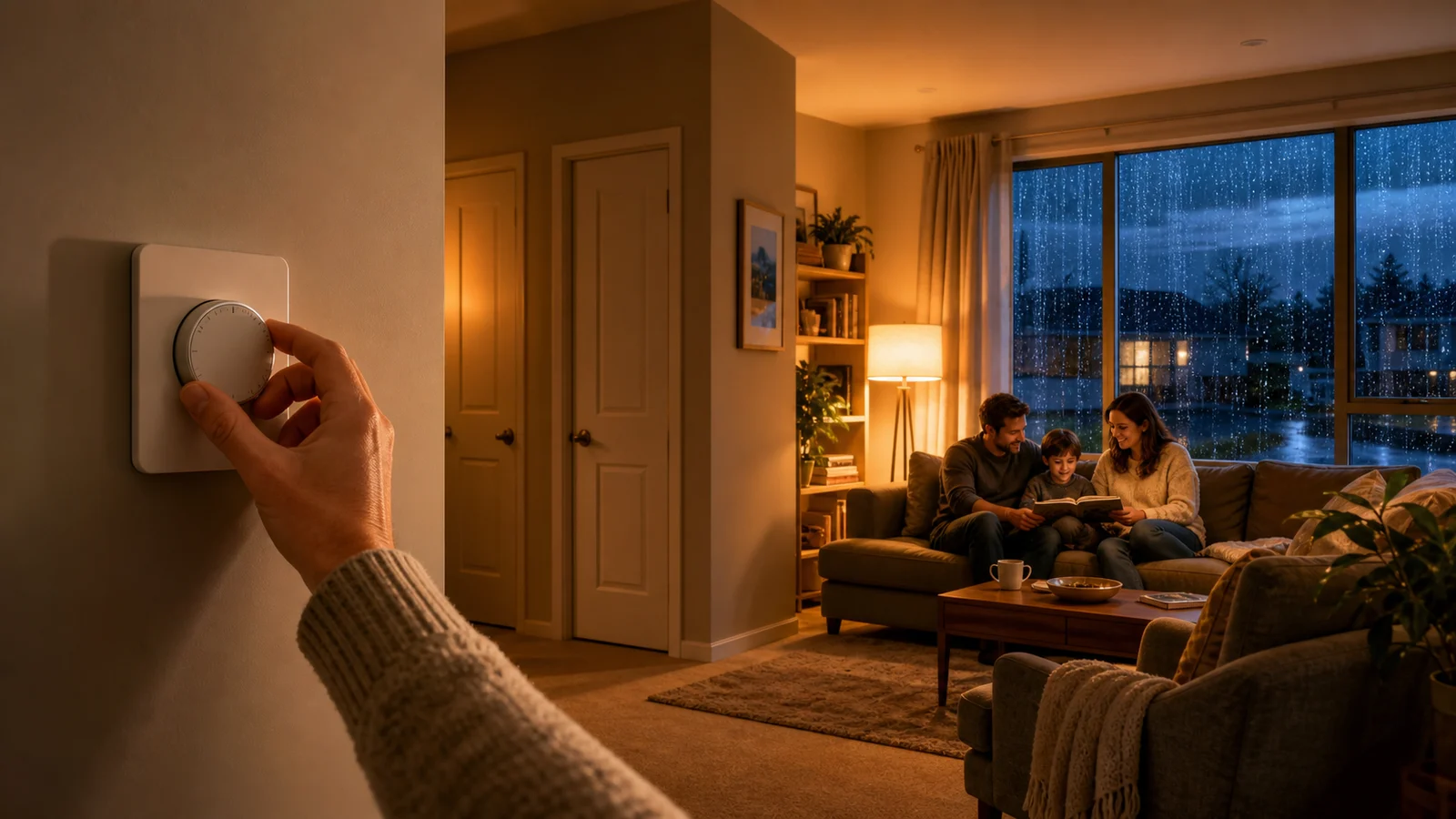
The familiar thermostat range is an energy-saving starting point, not a rule for every body or every house. The important detail is what happens with each extra degree.
Bleach does not contain ammonia, but the bleach and ammonia reaction can release chloramine vapours. Learn the warning signs and what to do after exposure.