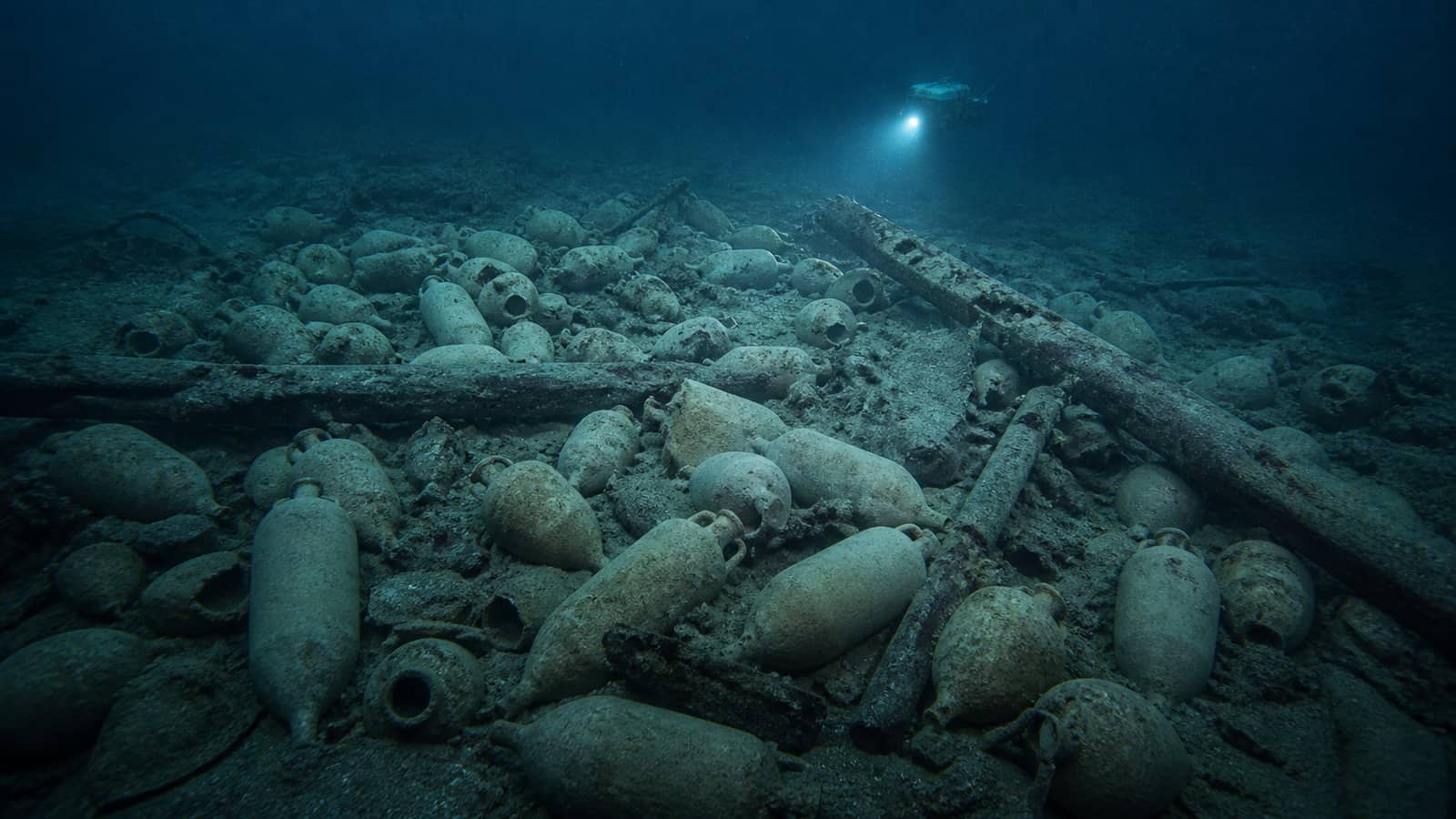
A Roman wreck found off Sicily carries hundreds of Dressel 1A amphorae. Their shapes, origins and arrangement may reveal what the ship carried and where it was travelling.
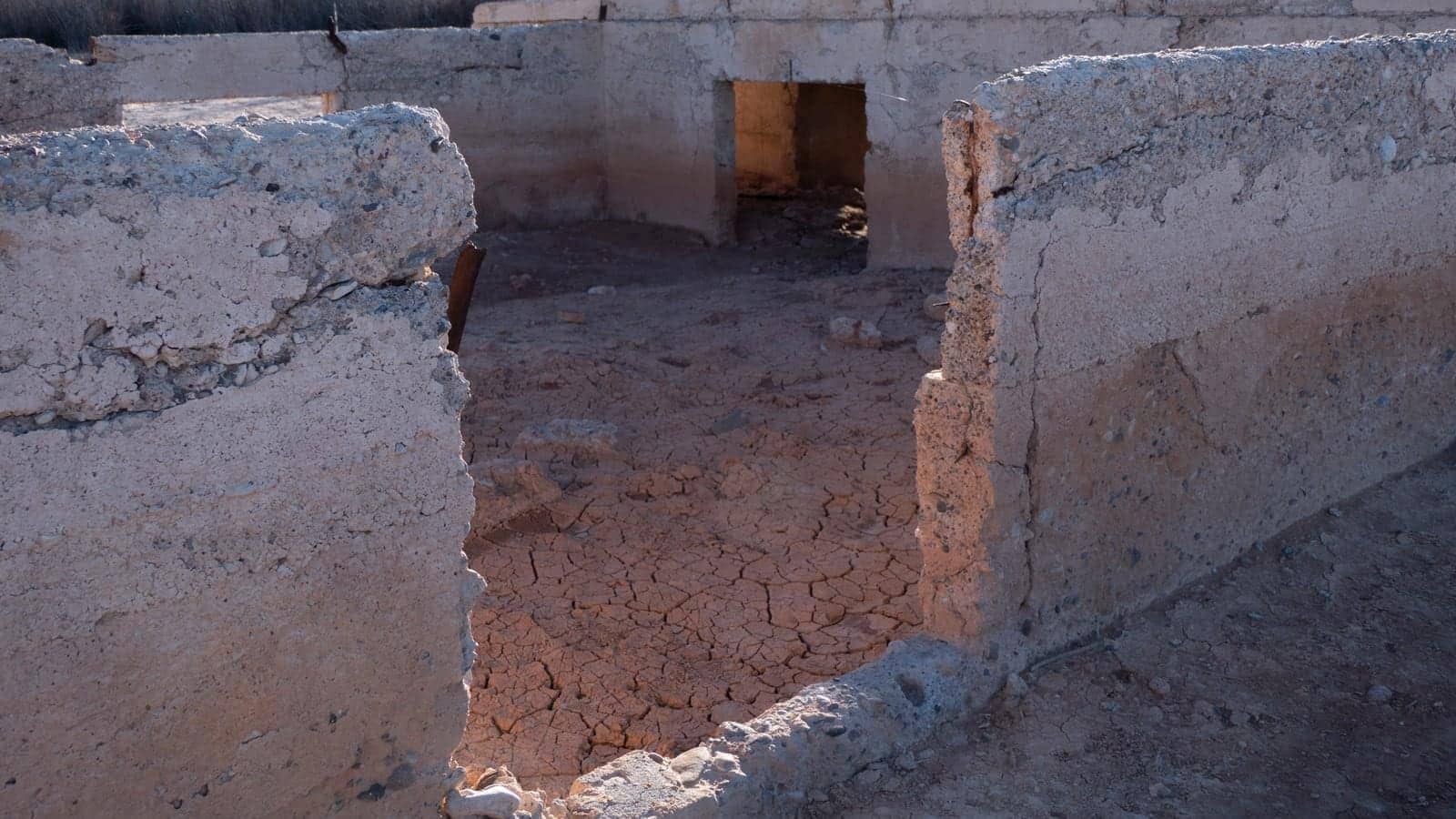
St Thomas was deliberately evacuated and flooded as Lake Mead filled. Falling water later exposed its roads and foundations, turning reservoir level into a moving history line.
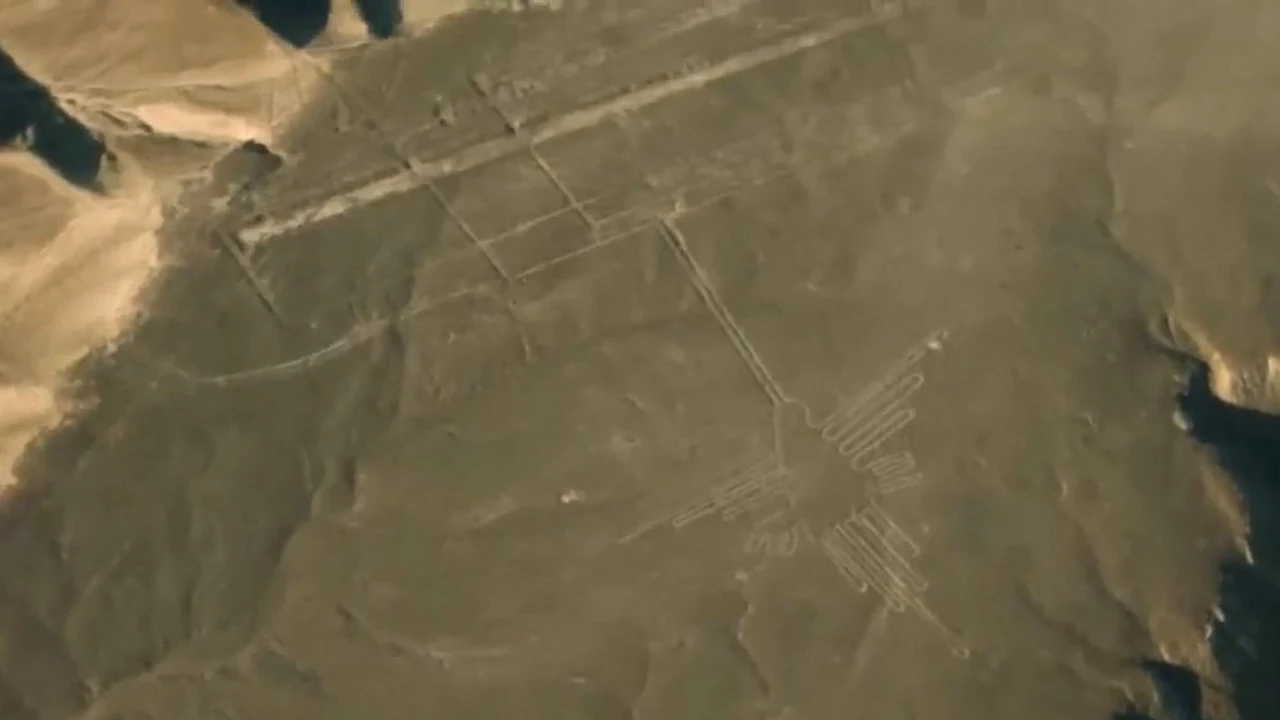
The Nazca Lines were made from the ground by changing the desert surface. Their construction is understandable; the harder question is why different communities kept making geoglyphs for centuries.
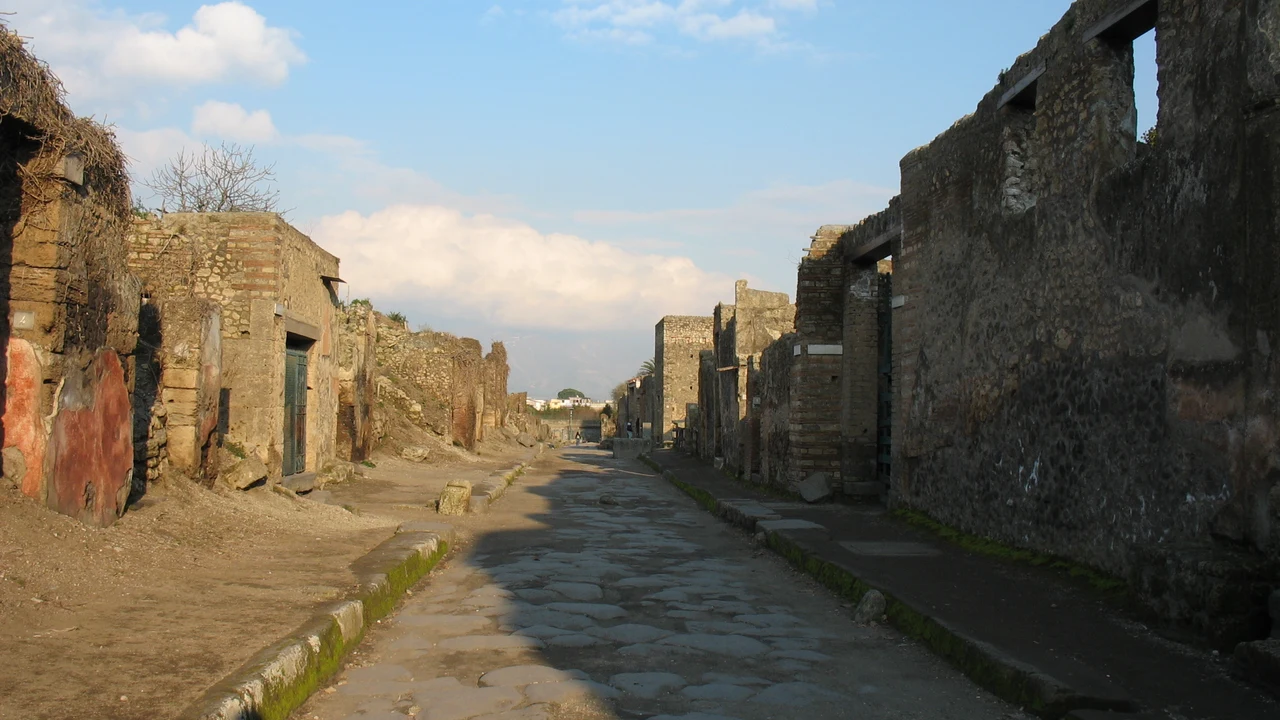
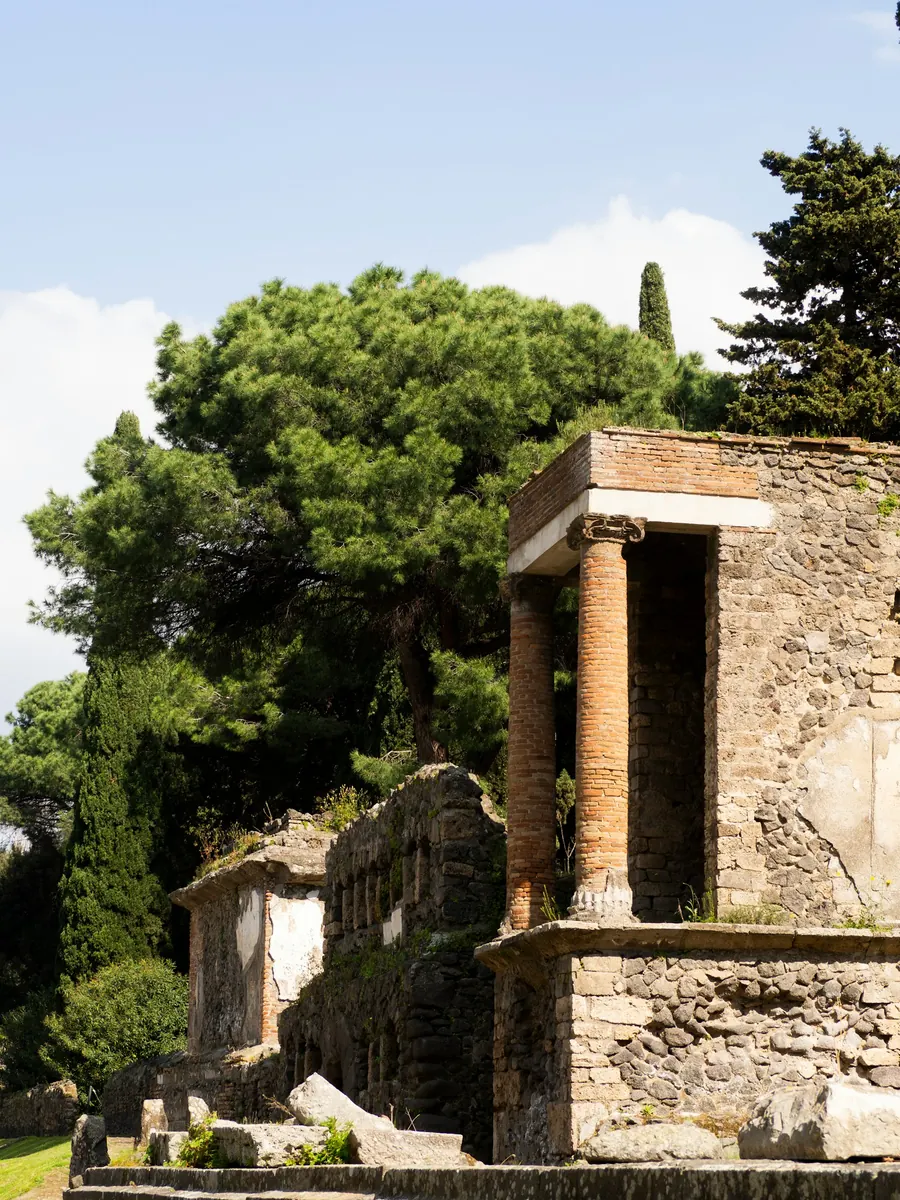
Pompeii was not preserved as a perfect frozen moment. Volcanic burial, decay, later disturbance and careful archaeology turned a destroyed city into an unusually detailed record of Roman life.
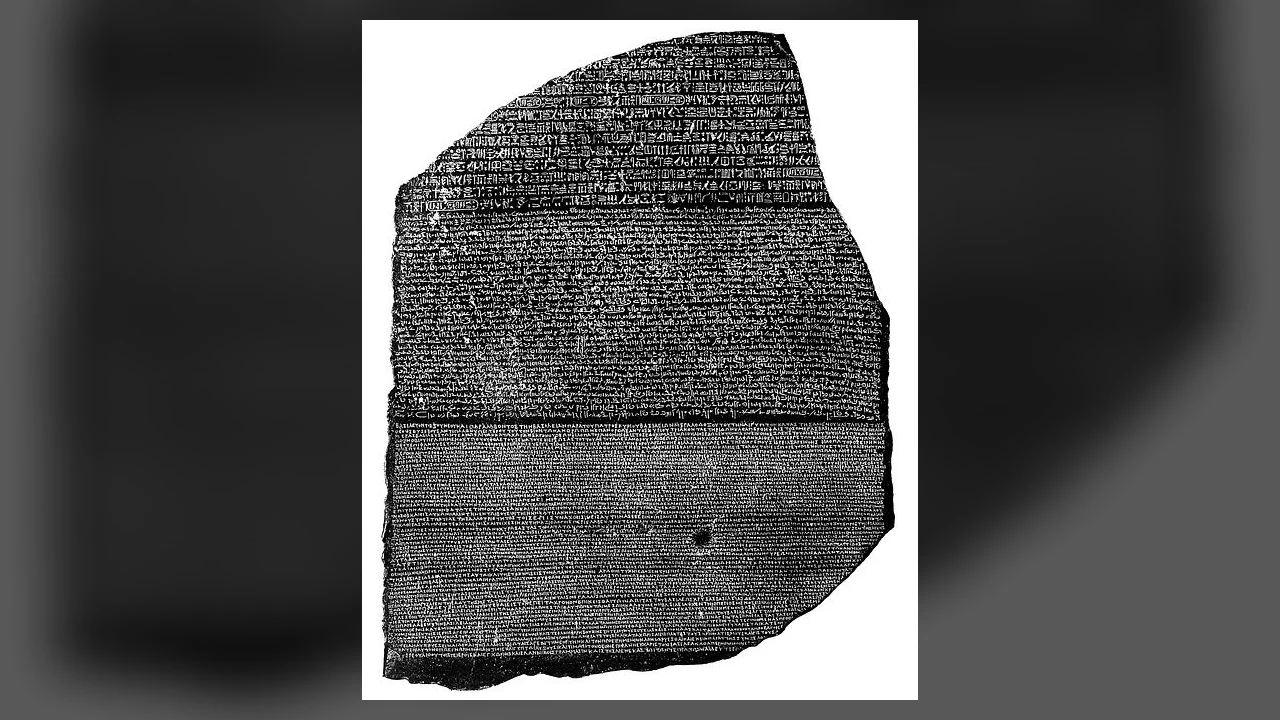
The Rosetta Stone was not a perfect code sheet. Its damaged decree, three scripts and long trail of comparisons gave scholars something more useful: ideas they could test.
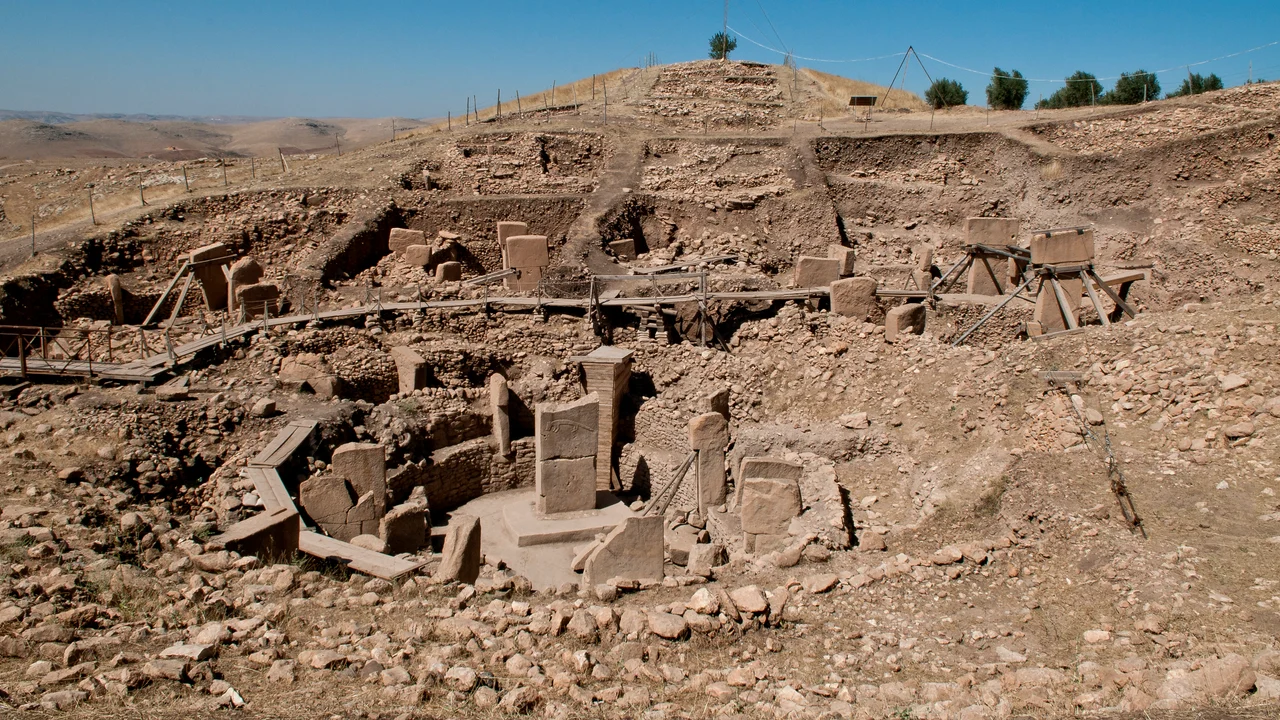
Göbekli Tepe did not reveal a lost civilisation or a simple first temple. It exposed how monument building, settlement and food production overlapped at the dawn of the Neolithic.