The award and the verified reason for the attention
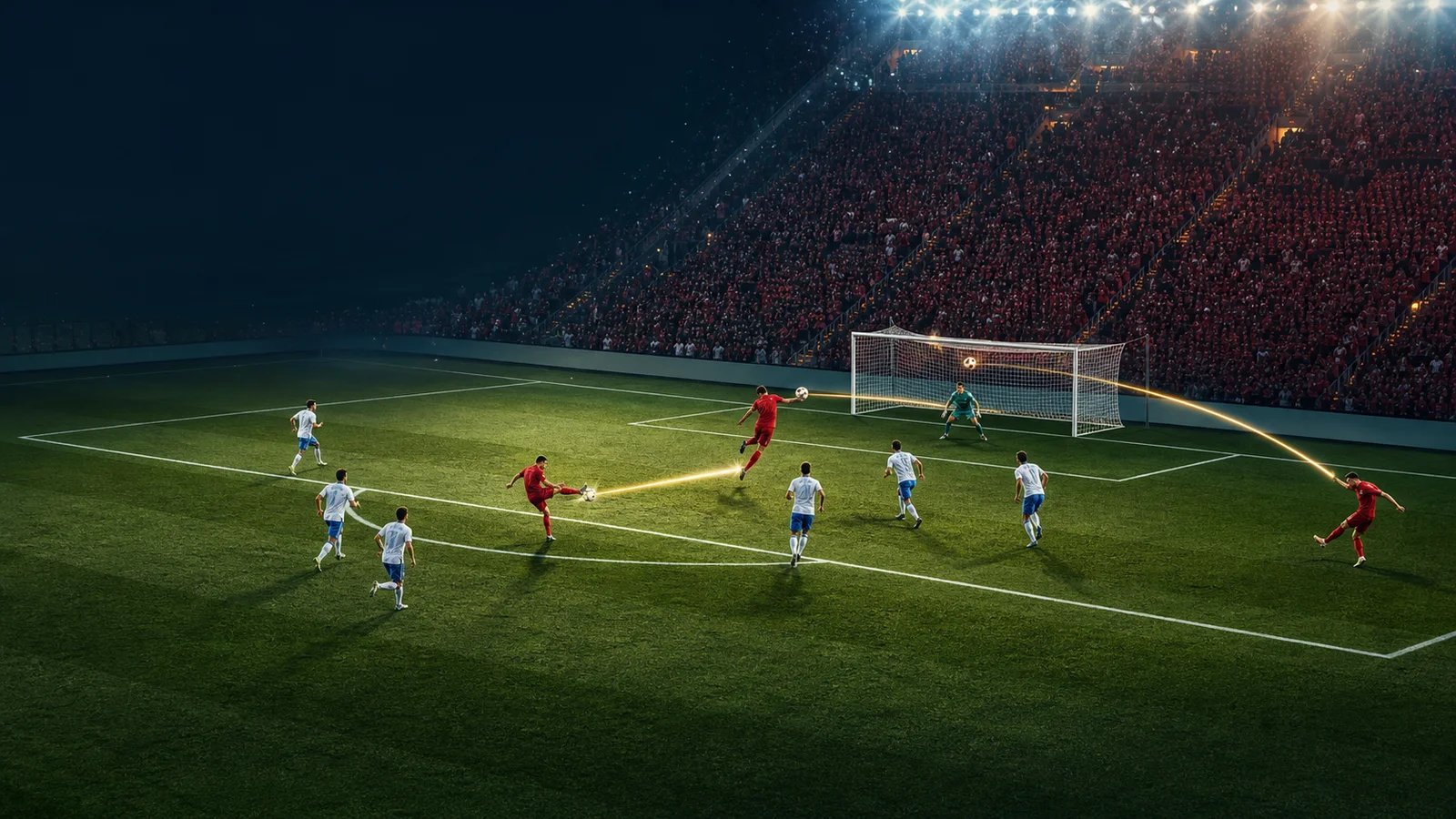
FIFA awarded Rodri the 2026 World Cup Golden Ball after Spain completed an eight-match run to the title. The prize recognises the tournament's best player, so it considers overall influence rather than simply rewarding the highest goal total.
The official awards announcement describes Rodri as masterful across Spain's eight matches. FIFA's detailed statistics help make that broad judgement easier to understand, although no single number can reproduce the full award decision.
His passing volume was historically unusual
Before the final, FIFA recorded 648 completed passes for Rodri, already the highest total registered by a player at a World Cup. That surpassed the 638 he completed at Qatar 2022 and Xavi's previous Spain mark of 599 in 2010.
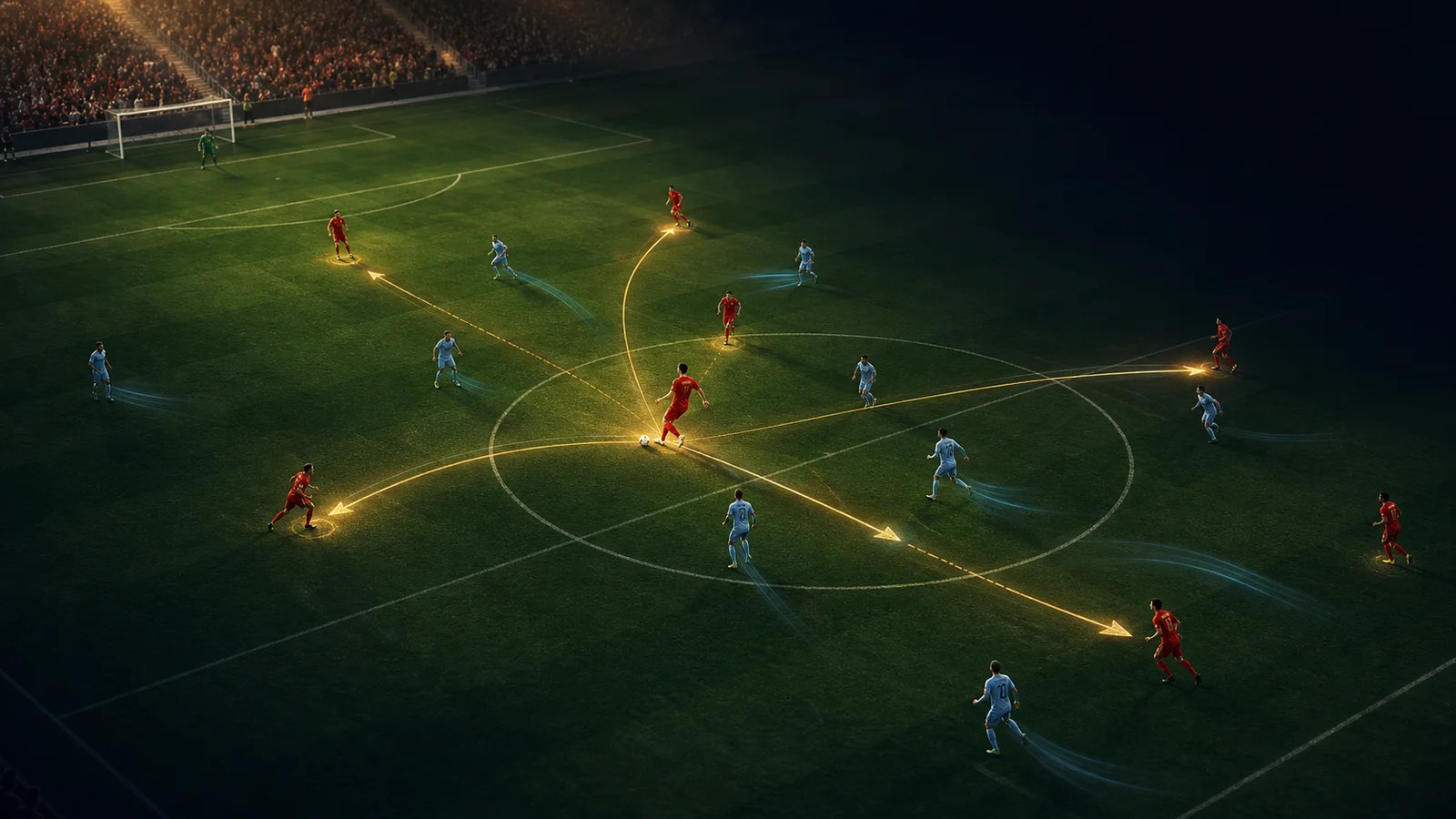
FIFA also listed a 93 per cent passing accuracy before the final. High volume combined with high accuracy shows that Spain repeatedly trusted Rodri to receive and redistribute the ball, rather than using him only for occasional safe passes.
Completed passes are evidence of a role, not proof by themselves
A completed pass can travel forward, backward or sideways. Counting passes without watching their purpose can exaggerate routine possession and overlook more difficult actions by players in other positions.
Rodri's total is useful because it identifies where Spain's possession repeatedly flowed. It becomes more meaningful when placed beside the team's territorial control, defensive record and ability to keep opponents from sustaining attacks.
The movement data adds another part of the picture
FIFA reported that Rodri had covered 83,802 metres before the final, the highest total among players eligible for the match. It also recorded 919 high-intensity runs, more than any other player at the tournament at that stage.
Those figures challenge the idea that a controlling midfielder simply stands in the middle and waits for the ball. Rodri had to move into passing lanes, close spaces after possession changed and offer teammates another route out of pressure.
Spain's defensive record strengthened the case
Spain conceded only one goal across the tournament and kept Argentina scoreless in the final. Goalkeeper Unai Simón and the back line received their own recognition, but midfield control also limited the number and quality of attacks that reached them.
That contribution is harder to isolate than a goal or save. Rodri's positioning could slow a counterattack before it became a shot, while his passing could keep Spain in possession and prevent an opponent from attacking at all.
Why this remains a judgement award
Lionel Messi received the Silver Ball and Kylian Mbappé the Bronze Ball. Their inclusion shows that the final ranking was not simply the champion's passing leaderboard. Different roles and different team outcomes still had to be compared.
The strongest evidence-based conclusion is that Rodri combined team success, exceptional involvement in Spain's possession and substantial work without the ball. FIFA made the final selection. The statistics explain why that selection was credible without pretending there was a public formula that automatically produced it.
Sources and further reading
This article was written for Curiosity Desk. We do not copy other publishers or invent quotes. If a material error is found, we correct it openly.
Read the full standards →One answer should lead to a better question
Bring your curiosity to the group
Curious Minds is our public Facebook community for surprising science, strange history, Australian wildlife and everyday questions. No copied posts, no personal-friend invitations and no link dumping.
- Three self-contained discussion prompts each week
- Sourced answers and honest uncertainty
- Respectful conversation without spam