
World Explained · Weather and climate
How does fog form close to the ground?
Fog forms when air close to the ground cools to saturation and water vapour condenses into tiny droplets. Radiation and advection fog reach that point by different routes.
Curiosity Desk category
Every published story filed under Weather and climate, newest first. Each one passed the same source, image and editorial checks.
6 published storiesNewest first
World Explained · Weather and climate
Fog forms when air close to the ground cools to saturation and water vapour condenses into tiny droplets. Radiation and advection fog reach that point by different routes.
World Explained · Weather and climate
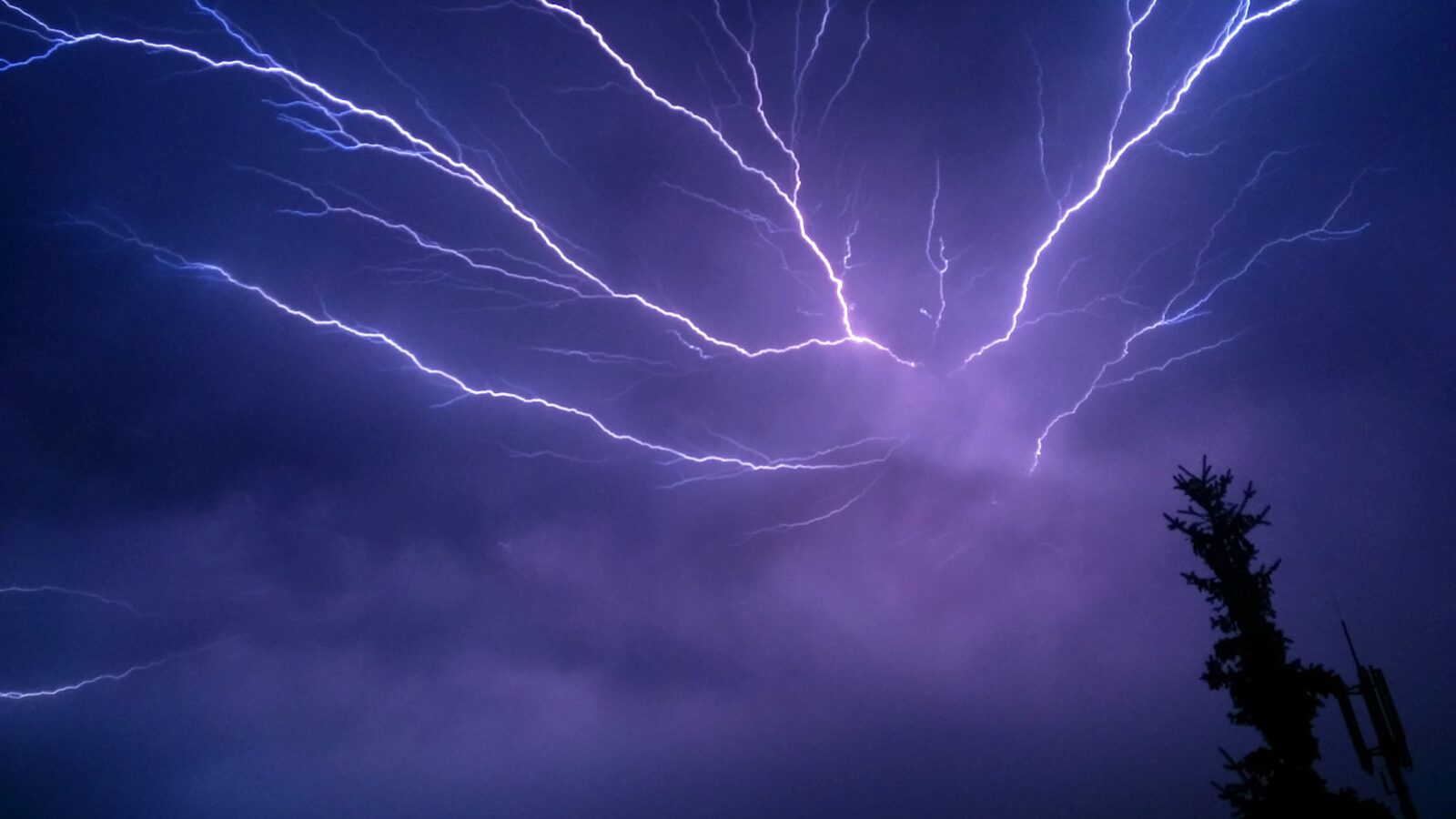
Lightning heats a long, crooked channel of air so quickly that it drives a pressure wave. Distance and channel shape turn that wave into a crack or rumble.

World Explained · Weather and climate
Jet exhaust starts a trail of ice crystals, but the surrounding upper air decides whether it vanishes, breaks into segments or spreads into cirrus cloud.
World Explained · Weather and climate
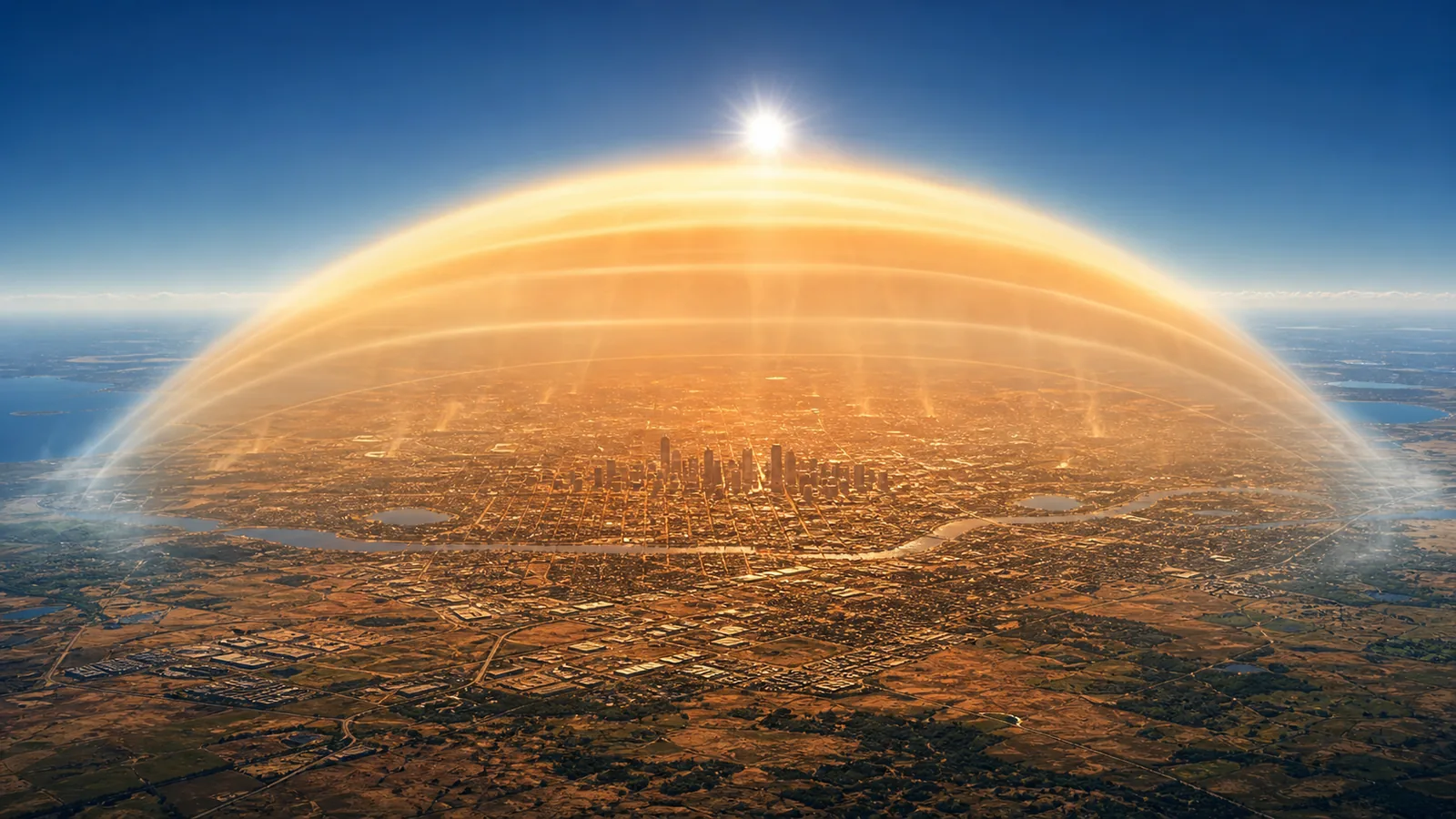
A heat dome is not a lid in the sky. It is a persistent high-pressure pattern that keeps air sinking and lets heat build. Here is why cooler nights matter.
Australian Curiosity · Weather and climate
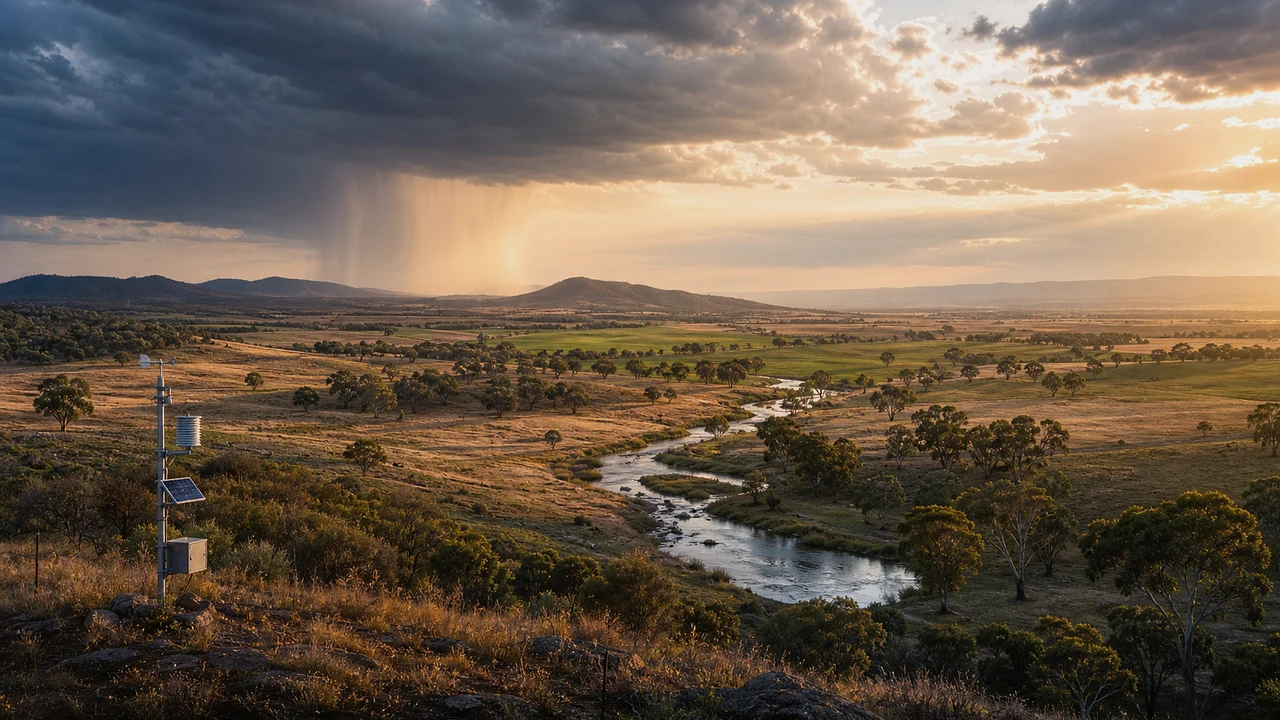
The Pacific has entered El Niño, but that does not make every Australian town dry. Here is what the current rainfall and temperature outlook means.
World Explained · Weather and climate
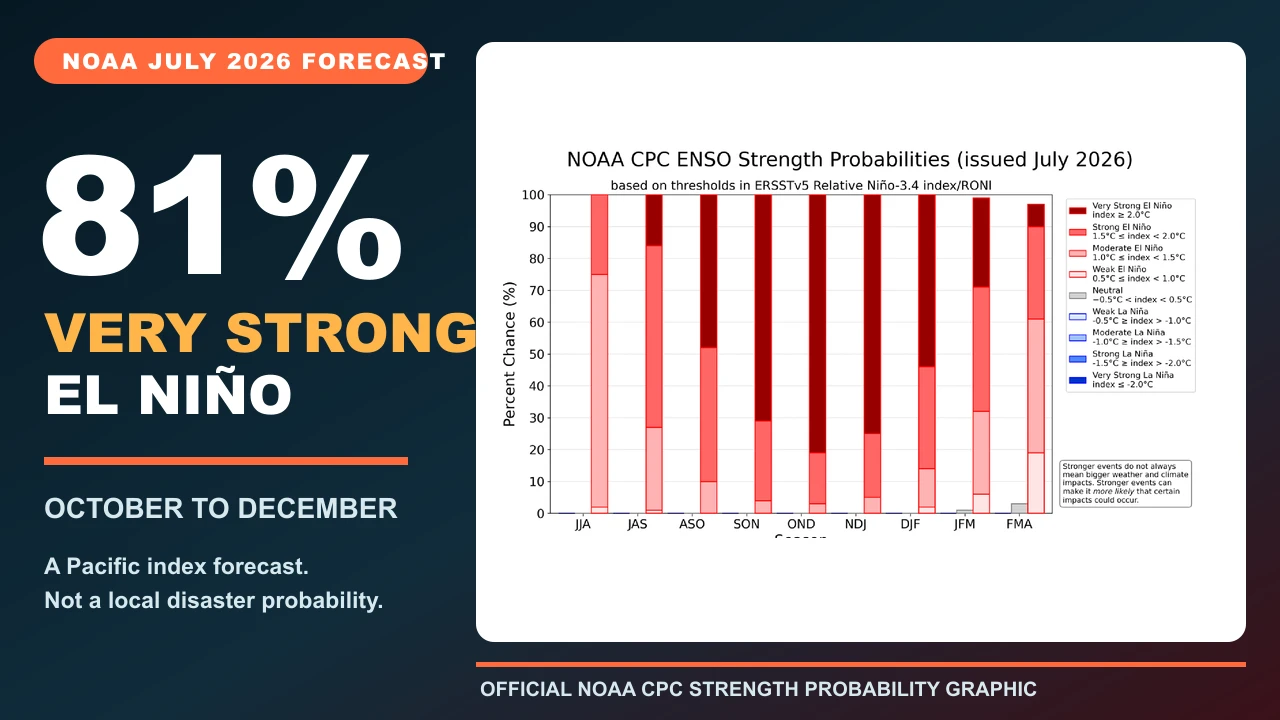
NOAA gives an 81% chance of a very strong El Niño in late 2026. Here is what that category measures, what “super” misses and what is not guaranteed.