An inactive pill is not the same as an empty experience
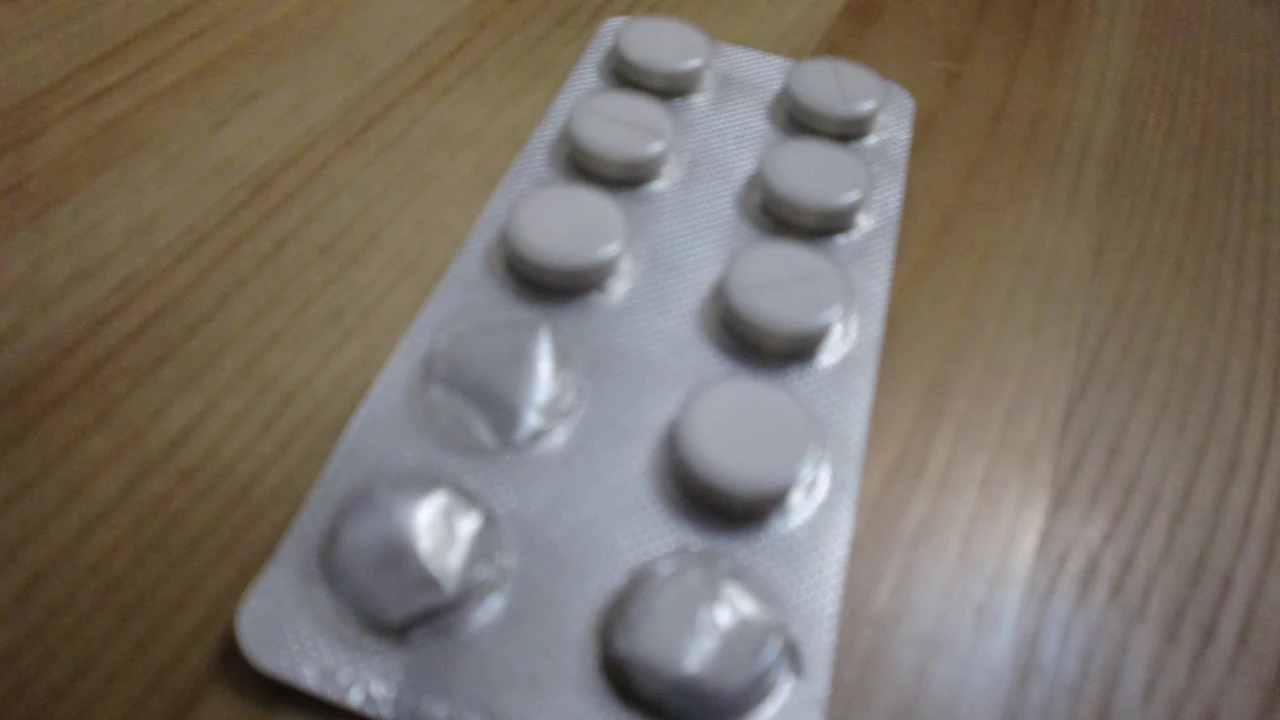
A placebo is designed to lack the specific active ingredient being tested. It may be a pill, injection, sham procedure or other comparison that resembles treatment closely enough to separate the effect of the treatment itself from everything that surrounds it. The surprising part is that those surroundings can influence what a person feels.
The appointment, the explanation, the expectation of relief and memories of earlier treatment all provide information to the brain. That information can alter attention, threat and the interpretation of signals coming from the body. A symptom can therefore change even though the placebo has no drug capable of correcting the underlying cause. The experience is real; the treatment mechanism is limited.
The placebo response contains more than the placebo effect
People often improve after receiving a placebo in a clinical trial, but not every improvement was produced by expectation. Symptoms naturally rise and fall. People tend to enter studies when they feel unusually unwell and may later move closer to their usual level, a statistical pattern called regression toward the mean. Extra attention, changes in behaviour, imperfect measurement and ordinary recovery can all add to the observed change.
Researchers therefore distinguish the broad placebo response from a more specific placebo effect. A placebo group by itself cannot reveal the difference. When possible, comparison with a no-treatment group helps estimate what the treatment ritual and expectations added beyond the passage of time and participation in the study. This is one reason a headline claiming that a certain percentage of all healing comes from placebo is usually too simple.
Pain can change without being imaginary
Pain is not a direct meter attached to injured tissue. The nervous system builds the experience from sensory input, previous learning, attention, emotion and predictions about danger or safety. Changing one of those inputs can change the experience. That does not mean the person was pretending before relief arrived, and it does not mean the original injury disappeared.
Laboratory and clinical research described in a New England Journal of Medicine review links placebo and nocebo effects with biological systems involved in pain, reward, stress and learning. The response differs between people and situations. It is usually more visible in symptoms a person reports, such as pain or nausea, than in a disease process measured independently of perception. Context can participate in care without becoming a universal cure.
An asthma experiment revealed the crucial boundary
In a small crossover study, 46 people with stable asthma received active albuterol, a placebo inhaler, sham acupuncture or no intervention on different visits. Participants reported substantial symptom improvement after all three treatment encounters. Their own ratings did not clearly identify which visit included the real bronchodilator.
The lung measurement told a different story. Albuterol improved forced expiratory volume in one second by about 20 per cent, while the two placebo conditions and no intervention improved it by roughly 7 per cent. The study did not show that placebo opened the airways like medicine. It showed that feeling better and having better airflow can separate. That is why symptom relief must not be used as permission to stop a prescribed inhaler or ignore an objective medical problem.
Sometimes people know the pill is inert and still improve
A 2010 randomised trial gave people with irritable bowel syndrome pills clearly labelled as placebos. The capsules contained no medication, and the researchers explained that openly. After three weeks, the open-label placebo group reported greater symptom improvement than a no-treatment group that received a similar amount of supportive clinical contact.
A larger six-week trial published in 2021 compared open-label placebo, double-blind placebo and no pills. Both placebo groups reported greater improvement than the no-pill group on the main symptom measure, while open-label and blinded placebo did not differ significantly from each other. These results are intriguing, but they concern a condition with important patient-reported symptoms and a structured research setting. They do not prove that knowingly taking inert pills treats all conditions, or that belief is unnecessary in every circumstance.
Expectation can also push symptoms in the wrong direction
The negative counterpart is called a nocebo effect. Warnings, previous bad experiences and an expectation of harm can increase attention to symptoms or make an ordinary sensation feel more threatening. This does not make honest risk information the enemy. People need accurate information to make decisions and recognise genuine adverse effects.
The practical lesson is about framing, not concealment. A clinician can explain a risk clearly without suggesting that every possible symptom is inevitable. Warmth, confidence, listening and a credible plan can improve the treatment experience without lying about what a medicine can do. Ethical care uses context to support an effective treatment, not to disguise an inactive one as a cure.
A real medicine has to add something beyond the ritual
Randomised, blinded trials make treatment groups comparable and reduce the chance that expectations or observer judgement create the apparent difference. The United States Food and Drug Administration describes the choice of control group as a critical part of trial design because different controls answer different questions. In some situations, using an inactive placebo would be unethical, so participants receive the existing standard treatment and the experimental therapy is tested against or on top of it.
A Cochrane review examined trials that included both placebo and no-treatment groups across many conditions. It did not find important clinical effects in general, although placebo interventions could influence some patient-reported outcomes, particularly pain, with wide variation between trials. That restrained conclusion is more useful than calling placebos either fake or miraculous. Symptoms are shaped partly by context, but diseases still have mechanisms that require diagnosis and effective treatment.
The most useful placebo lesson does not require a sugar pill
Good care is never only a molecule. Clear explanations, realistic hope, a trustworthy relationship and a treatment routine can affect how a person experiences symptoms and follows a plan. Those ingredients can be combined with proven care openly. They do not require deception, and they do not require pretending that an inactive capsule has powers it lacks.
If a symptom is persistent, severe or changing, seek qualified medical advice rather than testing a placebo on yourself. The mind-blowing fact is not that thought can cure anything. It is that the brain continually interprets the body, so meaning and biology meet inside every treatment experience. The boundary matters just as much as the effect.
Sources and further reading
- NIH National Center for Complementary and Integrative Health: Placebo effect ↗
- New England Journal of Medicine: Active albuterol or placebo, sham acupuncture, or no intervention in asthma ↗
- New England Journal of Medicine: Placebo and nocebo effects ↗
- PLOS ONE: Placebos without deception, a randomised controlled trial in irritable bowel syndrome ↗
- Pain: Open-label placebo versus double-blind placebo for irritable bowel syndrome ↗
- Cochrane: Placebo interventions for all clinical conditions ↗
- US Food and Drug Administration: Choice of control group in clinical trials ↗
- Wikimedia Commons: Placebo capsule photograph and public-domain dedication ↗
This article was written for Curiosity Desk. We do not copy other publishers or invent quotes. If a material error is found, we correct it openly.
Read the full standards →One answer should lead to a better question
Bring your curiosity to the group
Curious Minds is our public Facebook community for surprising science, strange history, Australian wildlife and everyday questions. No copied posts, no personal-friend invitations and no link dumping.
- Three self-contained discussion prompts each week
- Sourced answers and honest uncertainty
- Respectful conversation without spam