What FIFA actually scanned
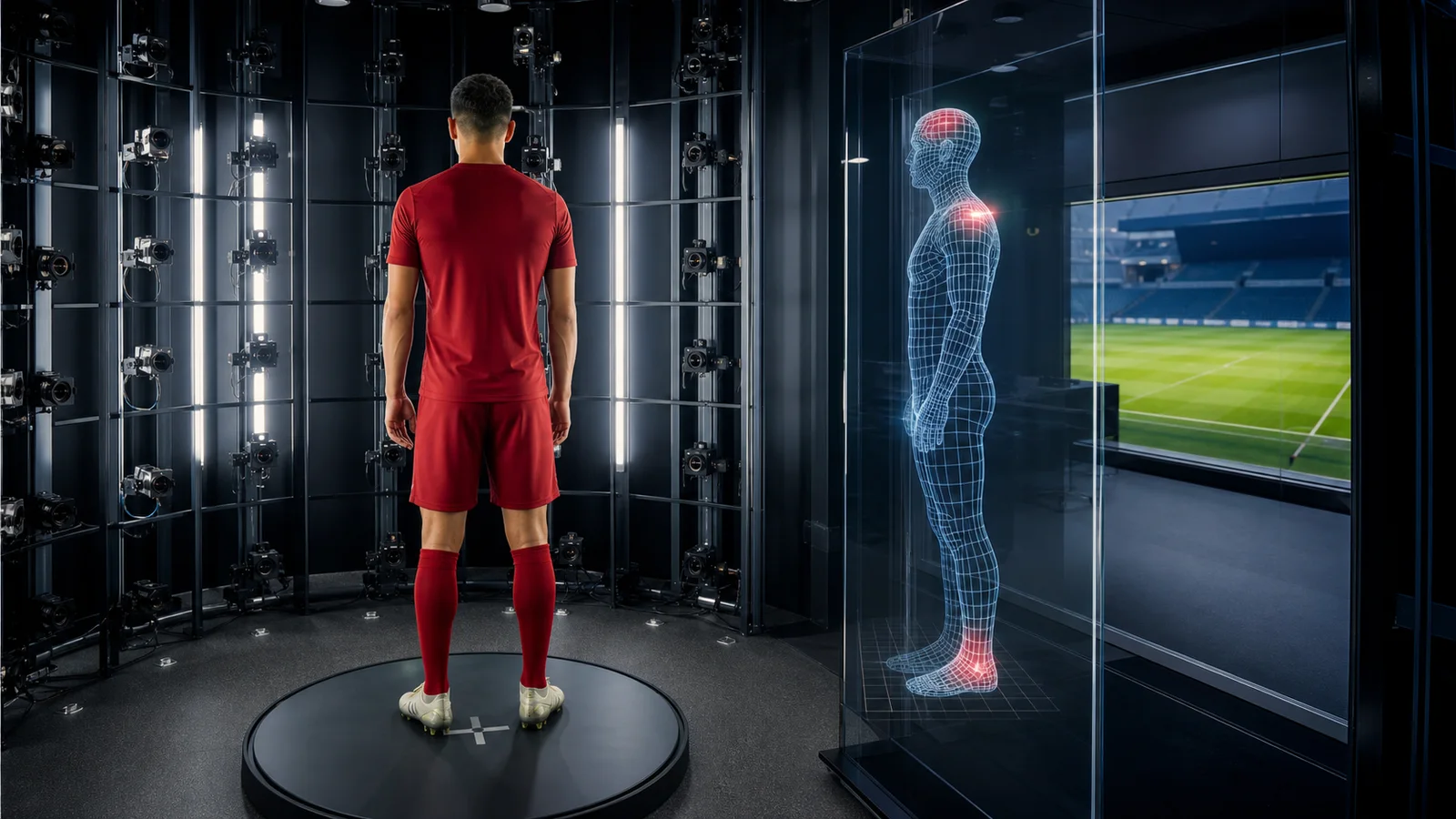
FIFA and Lenovo created 3D avatars for all 1,248 players at the 2026 World Cup. Each player stood inside a scanning box while 36 cameras captured images from different angles.
FIFA says the player spent about 90 seconds in the box, while the scan itself took only one second. Software combined the images into a three-dimensional reconstruction with measurements such as height, limb proportions and foot length.
The main purpose was more precise offside support
Semi-automated offside systems already tracked skeletal points to estimate player positions and the moment the ball was played. Very close cases involving a toe, armpit or waist could benefit from more exact information about an individual body.
The scanned dimensions were added to the advanced system to increase confidence in those marginal positional decisions. The technology supported the officials; it did not rewrite the offside law or decide whether an offside-positioned player interfered with play.
The avatars also changed what viewers saw
The scans allowed broadcast graphics to show player-shaped 3D recreations instead of generic figures. That made it easier for viewers to recognise which attackers and defenders were being compared in a close offside replay.
A clearer animation is still an explanation of the decision, not the original evidence by itself. Match officials used tracking information and video review, while the broadcast visual translated that process for spectators.
The scan was limited to a specific use
FIFA describes the process as non-invasive and limited to officiating-related purposes and connected broadcast visualisations. The stored information included the visual images, reconstructed dimensions and basic identifiers needed to match the avatar to the correct player.
FIFA also says avatars are retained for the tournament and a limited post-event review period, after which they are deleted or handled under its internal procedures. That is the organiser's stated data practice, not an independent privacy audit.
The system could still work without a scan
A missing avatar did not make offside technology impossible. FIFA says the system would continue with its existing tracking data if a player's scan was unavailable.
The broadcast would then show a grey avatar rather than a detailed replica. This fallback reveals that scanning enhanced precision and presentation rather than acting as the only source of positional information.
Why all 48 teams had to be covered
The value of exact player models would fall if only famous teams or selected players received them. Moving scanners to all 48 squads gave the officiating system the same type of input regardless of which teams met.
That logistical scale is the real reason the project attracted attention. A brief pre-tournament scan became a reusable tournament model for close calls, while officials retained responsibility for applying the law to what happened on the pitch.
Sources and further reading
This article was written for Curiosity Desk. We do not copy other publishers or invent quotes. If a material error is found, we correct it openly.
Read the full standards →One answer should lead to a better question
Bring your curiosity to the group
Curious Minds is our public Facebook community for surprising science, strange history, Australian wildlife and everyday questions. No copied posts, no personal-friend invitations and no link dumping.
- Three self-contained discussion prompts each week
- Sourced answers and honest uncertainty
- Respectful conversation without spam