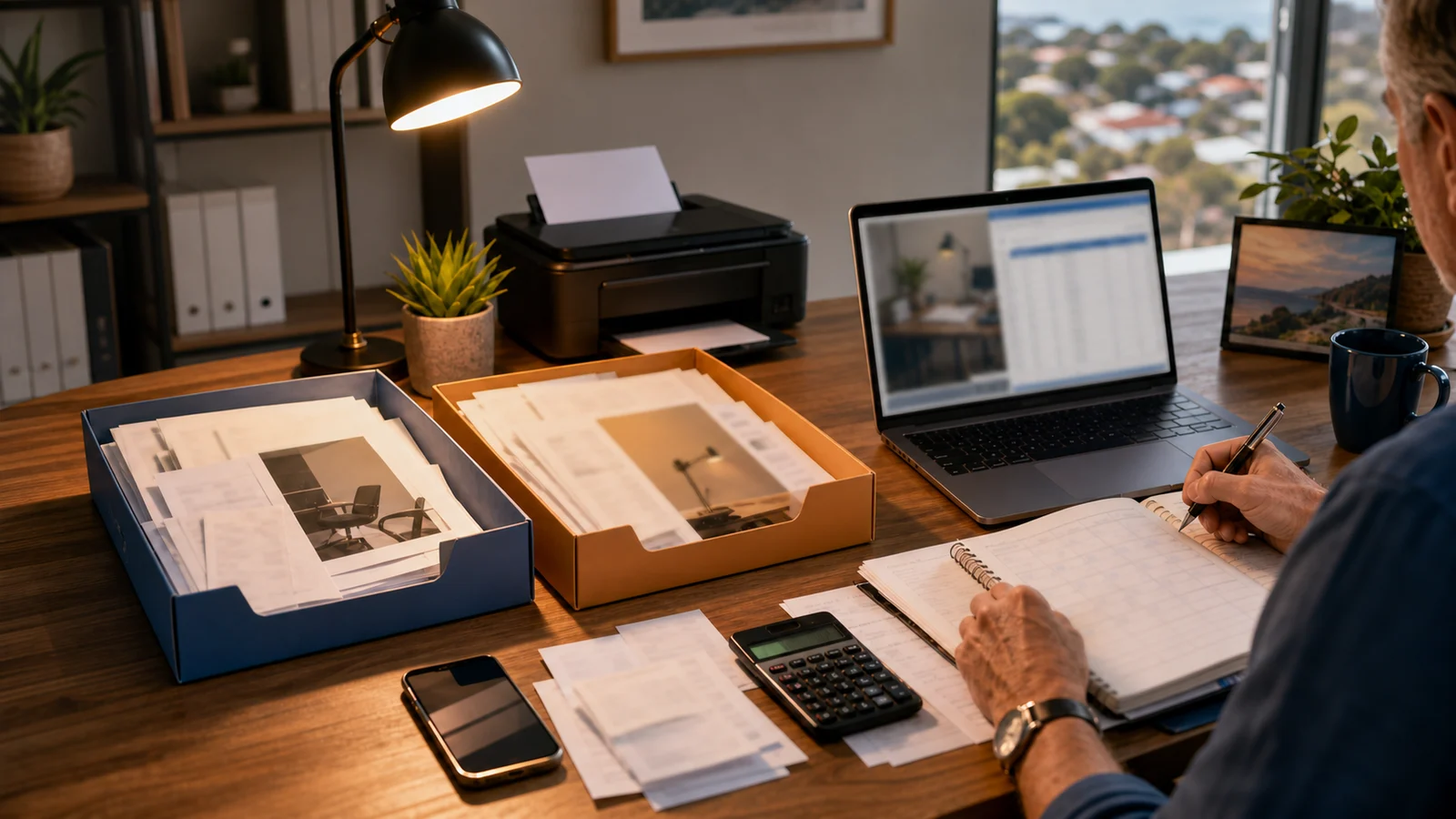
There are two calculation methods
The ATO describes a fixed-rate method and an actual-cost method for eligible employees claiming additional running expenses from working at home. Both methods require the expense to have been incurred in earning employment income and supported by suitable records.
This article covers the ATO's employee guidance, not home-based business deductions for a sole trader. Individual circumstances can change the answer, so check the live ATO guidance or a registered tax professional before lodging.
The current guideline uses 70 cents from July 2024
ATO Practical Compliance Guideline PCG 2023/1 records a fixed rate of 70 cents per work hour effective from 1 July 2024. That rate covers energy for lighting, heating and cooling, internet, phone usage, stationery and computer consumables.
A rate can be updated, so the effective date matters more than an old blog post. Confirm the live ATO position for the income year being lodged rather than copying a figure from a previous return.
A four-week estimate is not enough for work hours
To use the fixed-rate method, the ATO requires a record of the actual hours worked from home across the income year. A representative four-week diary is not accepted as the full record of those hours.
The taxpayer also needs at least one record for each type of covered expense actually incurred. For example, someone who incurred both electricity and internet costs should retain evidence for both categories as well as the hour record.
Do not claim a covered expense twice
The fixed rate already accounts for energy, internet, phone usage, stationery and computer consumables. A separate deduction for those same costs cannot be added on top merely because the phone or internet was also used for work away from home.
Separate deductions may still be available for eligible items not covered by the rate, including decline in value of relevant assets, repairs and maintenance, and cleaning a separate home office. Each separate claim needs its own records and work-use calculation.
The actual-cost method needs detailed apportionment
Under the actual-cost method, the claim is based on additional expenses actually incurred because of working from home. Private use must be separated, and a shared living space may create little additional heating or lighting cost when the household would have used it anyway.
Employees cannot claim items supplied by an employer, expenses the employer reimbursed, or ordinary household items such as coffee and tea. Keep records before lodging, compare the two methods on the same facts and claim only the eligible work-related amount.
Sources and further reading
This article was written for Curiosity Desk. We do not copy other publishers or invent quotes. If a material error is found, we correct it openly.
Read the full standards →One answer should lead to a better question
Bring your curiosity to the group
Curious Minds is our public Facebook community for surprising science, strange history, Australian wildlife and everyday questions. No copied posts, no personal-friend invitations and no link dumping.
- Three self-contained discussion prompts each week
- Sourced answers and honest uncertainty
- Respectful conversation without spam