A clean smell is a sensation, not a test result
A room can smell like citrus, pine or linen seconds after a fragrance product is used. That change proves that airborne molecules reached the nose. It does not prove that food residue left the bin, a pet accident left the carpet, grease left the rangehood or moisture left the wall.
Cleanliness is established by the task: the source was identified, suitable soil was removed, the correct product and method were used, residue was managed and the material dried. Scent can accompany that process, but it cannot verify it. A fragrance-free room can be clean, and a strongly scented room can still contain an unresolved source.
Masking changes the signal without changing the source
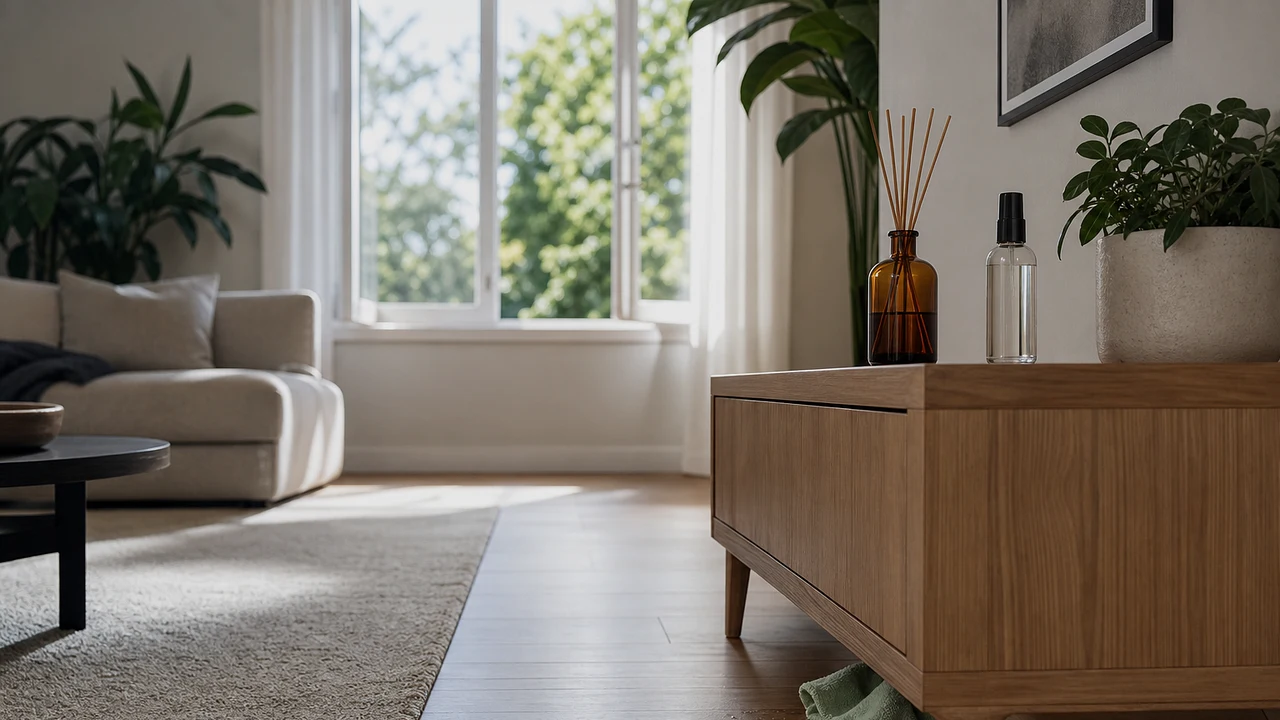
An air freshener adds an odour that competes with, modifies or overwhelms another odour. Some products also contain ingredients marketed to bind or neutralise particular compounds. Even when a product reduces perceived malodour, that result is not the same as removing spoiled food, cleaning urine, drying a damp textile or repairing a drain fault.
Think of fragrance as a layer of information. If it is added before the underlying material is removed, the nose receives a more complicated mixture while the source remains. The practical order is source removal first, suitable cleaning and drying second, ventilation when appropriate and optional fragrance last.
Your nose can become less impressed while the odour remains
Human odour perception changes with repeated or prolonged exposure. A scientific review of olfactory habituation found that perceived intensity can decrease relatively quickly as the olfactory system adapts. Longer real-world exposure studies have also measured odour-specific reductions in sensitivity and perceived intensity.
This is why an occupant may stop noticing a room odour that a visitor detects immediately. The fading sensation does not prove the molecules or source disappeared. Step outside for fresh air and reassess later, but do not deliberately inhale a suspect product or hazardous odour to test it. Smell is useful information, not a calibrated exposure meter.
VOC is a broad category, not a verdict
Volatile organic compounds, or VOCs, are carbon-containing compounds able to evaporate under ordinary indoor conditions. Cleaning supplies, air fresheners, paints, furnishings and many other products can emit them. Fragrance is possible because some ingredients enter the air, but the term VOC alone does not tell you the identity, concentration, exposure or health risk of a particular product.
EPA guidance stresses that indoor VOC composition and measurement vary substantially. Some compounds can cause irritation or other health effects at sufficient exposure; many do not share the same hazard. Avoid claims that every detectable scent is toxic or that natural fragrance is automatically safe. Read the label, limit unnecessary emissions and respond to symptoms rather than using one acronym as a universal diagnosis.
Fragrance can matter more for sensitive airways
Asthma triggers are individual. Asthma Australia advises people whose symptoms are triggered by deodorant, perfume, incense or strong chemical scents to avoid those products where possible. US public-health material also identifies perfumes and fragrances in personal-care products, cleaners and air fresheners as potential causes or triggers of work-related asthma.
This does not mean every person will react to every scented product. It means a house, workplace or service should take a reported trigger seriously. Choose a lower-scent or fragrance-free alternative when needed, ventilate according to weather and outdoor air quality, avoid spraying near other people and follow the person's Asthma Action Plan and medical advice.
Natural fragrance is still airborne chemistry
Essential oils and plant extracts can smell pleasant, but natural origin is not a guarantee of respiratory or skin compatibility. Asthma Australia says there is no clinical evidence that essential oils treat asthma and warns that strong fragrances, including essential oils, can trigger symptoms for some people.
Use diffusers, incense and scented candles only by informed choice and according to their safety directions. Do not add essential oil to a humidifier, air cleaner, cleaning solution or pet area unless the equipment or product manufacturer explicitly approves that use. Oil can damage materials, create exposure and turn a care routine into an untested mixture.
Spraying the air adds more than a smell
Aerosol and trigger sprays can distribute droplets as well as volatile ingredients. EPA guidance identifies cleaning products and air fresheners as possible indoor sources of particles and gases; some pine or citrus-scented ingredients can also react with indoor ozone to form additional pollutants under certain conditions. The actual result depends on the product, amount, ventilation and indoor chemistry.
Follow the application method and never spray toward a face, food, pet, flame, electrical device or ventilation intake unless a specific labelled use permits it. More spray does not make a room cleaner. If fragrance is wanted, use the minimum directed amount and stop when anybody develops eye, nose, throat or breathing symptoms.
Source control beats perfume and usually beats a filter
The US Environmental Protection Agency ranks source control and clean outdoor-air ventilation ahead of filtration for many indoor-air problems. A portable air cleaner can supplement those steps for some particles, but a particle filter does not remove every gas, repair a moisture leak or empty a rubbish bin. Some specialised sorbent filters address certain gases, but their capacity and maintenance matter.
Find the source before buying another device. Remove waste, wash the bin, clean the spill, launder the textile, clear an approved drain blockage, service the appliance or repair the leak. Ventilate when outdoor smoke, pollen, heat and security conditions allow. A machine that makes the room smell different is not automatically cleaning its air.
A returning musty odour points toward moisture
Musty air after rain, showering or a plumbing incident deserves a moisture check. Inspect under sinks, behind furniture, around windows, beneath rugs and near appliance hoses. EPA mould guidance is direct: controlling mould growth requires controlling moisture, cleaning the growth where appropriate and fixing the water source.
Fragrance cannot dry plasterboard, carpet backing or insulation. Dry wet materials promptly and do not paint or perfume over a recurring damp patch. Large growth, contaminated porous material, sewage, hidden building cavities or health concerns can require qualified remediation rather than repeated household spraying.
Match the common odour to its likely task
Food and rubbish odours call for removal, bin cleaning and a check beneath liners. Sour textiles call for complete washing and drying, plus inspection of the washing machine. Pet odours call for locating the full affected area and using a material-safe method. Greasy cooking odours call for source cleaning and an operating outdoor-venting rangehood where available.
Drain odours can involve a dry trap, accumulated organic material, a blocked vent or a plumbing fault. Follow the fixture and local plumbing guidance rather than pouring several chemicals together. A persistent sewage smell, gurgling, backup or widespread dampness should go to a licensed plumber or building professional.
Some smells are warnings, not cleaning invitations
Leave and seek the appropriate emergency help for a suspected gas leak, strong chemical release, smoke or a burning electrical smell. Do not switch electrical equipment on or off in a suspected gas atmosphere, create a spark, search for the source with a flame or spray fragrance to see whether the warning disappears.
Carbon monoxide creates an even more important limit: people cannot see, smell or hear it. NSW Health recommends appropriate alarms and safe use and maintenance of fuel-burning equipment. Headache, nausea, weakness, dizziness, fainting or confusion around a heater or combustion appliance requires fresh air and urgent advice; call Triple Zero on 000 for severe symptoms or loss of consciousness.
Never mix cleaners to manufacture a stronger smell
A sharp chemical odour after two products were combined is not proof of extra cleaning power. Bleach with acids or ammonia can release dangerous gases, and other combinations can increase fumes, heat, splashing or surface damage. Use one labelled process at a time and never add essential oils, fragrance or another cleaner to a commercial formula unless its directions explicitly allow it.
If chemical fumes are inhaled, Healthdirect advises getting to fresh air immediately and calling Triple Zero on 000 for a severe reaction. Do not enter a toxic atmosphere to rescue someone without emergency-service direction. In Australia, the Poisons Information Centre provides 24-hour advice on 13 11 26.
The post-clean absence test is more useful than perfume
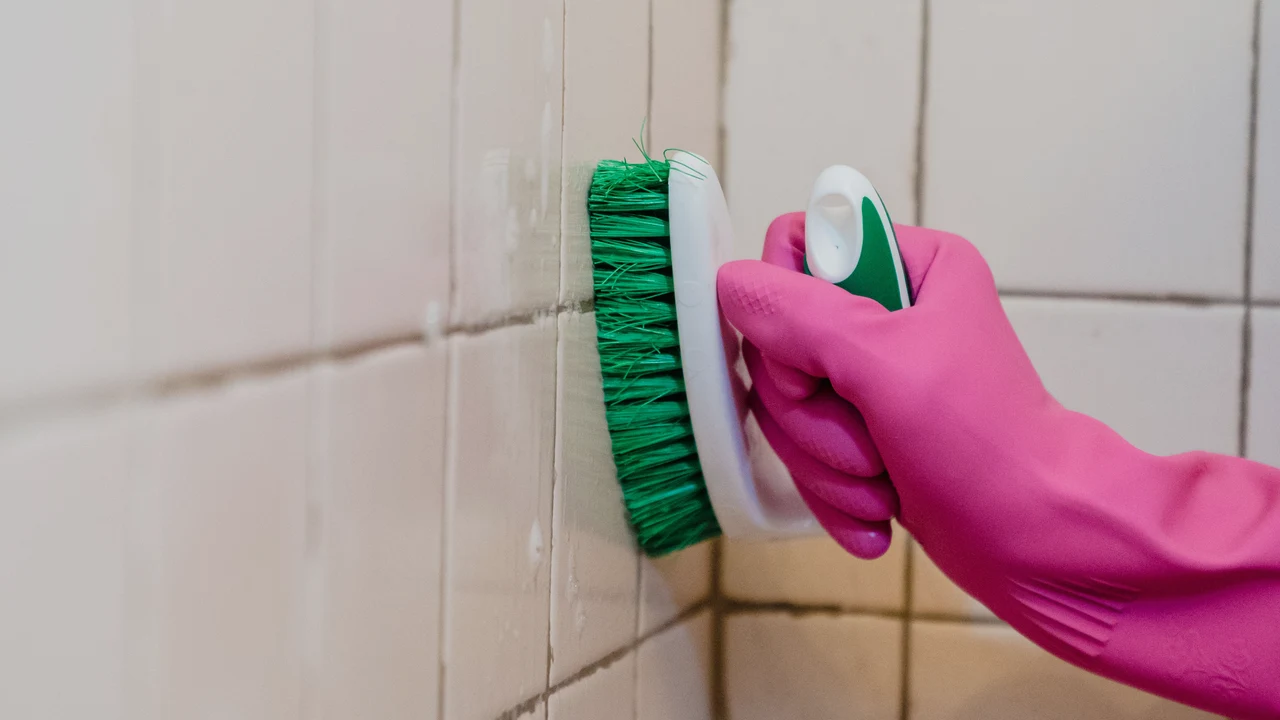
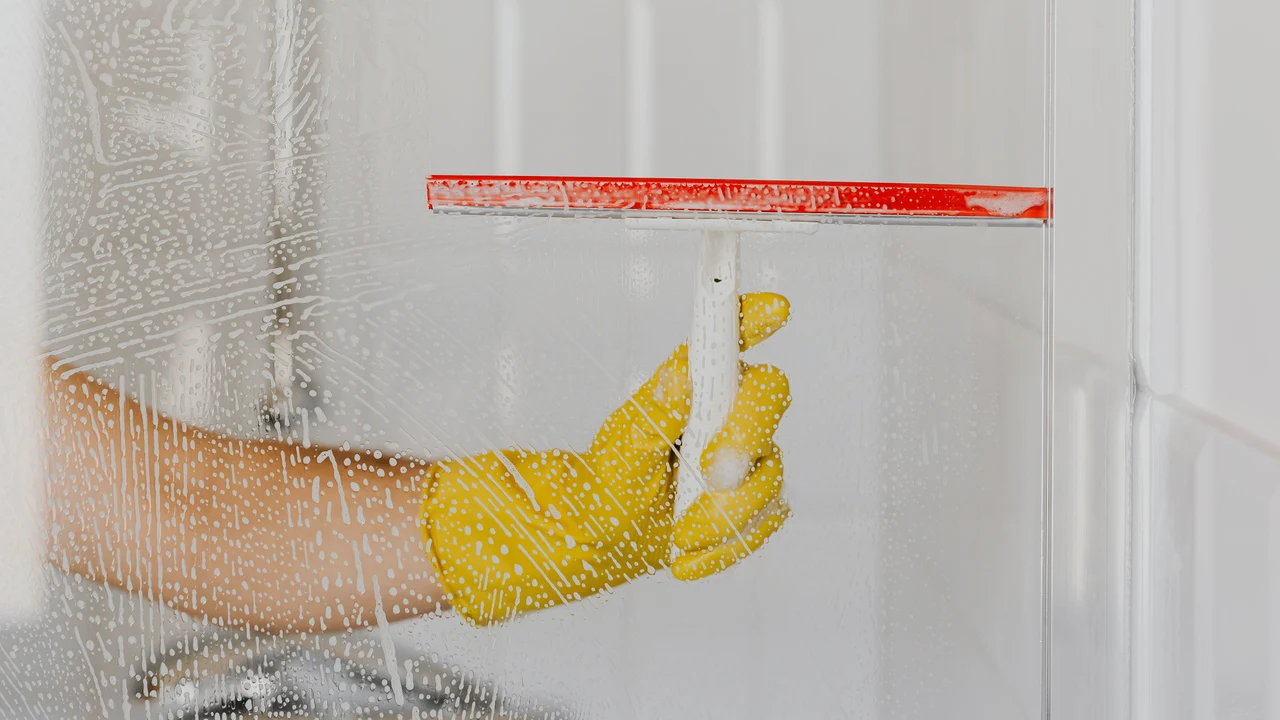
After the source is removed, clean the affected material using its approved method, manage residue, dry every layer and ventilate. Then leave the room for a short period and return without adding fragrance. Look as well as smell: is the stain gone, the surface dry, the bin clean, the drain flowing and the appliance operating normally?
If the odour returns, log when it happens. Rain, heating, cooking, showering, appliance use or a closed door can reveal the source. Ask another person only if exposure is safe and they are not sensitive to the suspected trigger. Repeated masking makes that investigation harder because each new scent changes the signal.
A fragrance-free request is a practical access need
In a shared home, rental, workplace or cleaning service, ask about scent preferences before using a fragranced product. Record any known asthma or migraine trigger and choose compatible products. Fragrance-free should not be used as a promise of zero emissions or universal safety; the full label and the individual response still matter.
Professional cleaners can separate two questions: what process removes the soil, and what scent does the client prefer afterward? The first is a quality requirement. The second is optional. This distinction prevents a strong perfume from becoming a substitute for rinsing, drying or actually locating the contamination.
The five-question clean-smell audit
What physical source could create this odour? Was that source removed rather than covered? Was the affected surface cleaned with a compatible method? Is every damp layer now dry? Does the room remain acceptable after ventilation and time away from the scent? A no answer identifies the next task more reliably than another spray.
Use fragrance because you enjoy it and can tolerate it, not because it proves the room is healthy. A genuinely clean room does not need to smell like nothing, flowers or citrus. It needs the soil removed, the source controlled, the material protected and the people inside able to breathe comfortably.
Sources and further reading
- US EPA: Volatile organic compounds and indoor-air exposure reduction ↗
- US EPA: Indoor particulate matter from air fresheners, cleaners and fragrance chemistry ↗
- US EPA: Source control, ventilation and the limits of home air cleaners ↗
- US EPA: Moisture control and household mould ↗
- Asthma Australia: Strong smells and scents as individual asthma triggers ↗
- Asthma Australia: Evidence and risks for essential oils and asthma ↗
- US CDC: Fragrances and work-related asthma information ↗
- PubMed: Review of habituation and adaptation to odours in humans ↗
- NSW Health: Indoor-air pollution, ventilation and odour-control cautions ↗
- NSW Health: Carbon monoxide is invisible, odourless and potentially fatal ↗
- Healthdirect Australia: First aid after inhaling chemical or toxic fumes ↗
- NIDCD: Smell as a warning sense and recognised smell disorders ↗
This article was written for Curiosity Desk. We do not copy other publishers or invent quotes. If a material error is found, we correct it openly.
Read the full standards →One answer should lead to a better question
Bring your curiosity to the group
Curious Minds is our public Facebook community for surprising science, strange history, Australian wildlife and everyday questions. No copied posts, no personal-friend invitations and no link dumping.
- Three self-contained discussion prompts each week
- Sourced answers and honest uncertainty
- Respectful conversation without spam