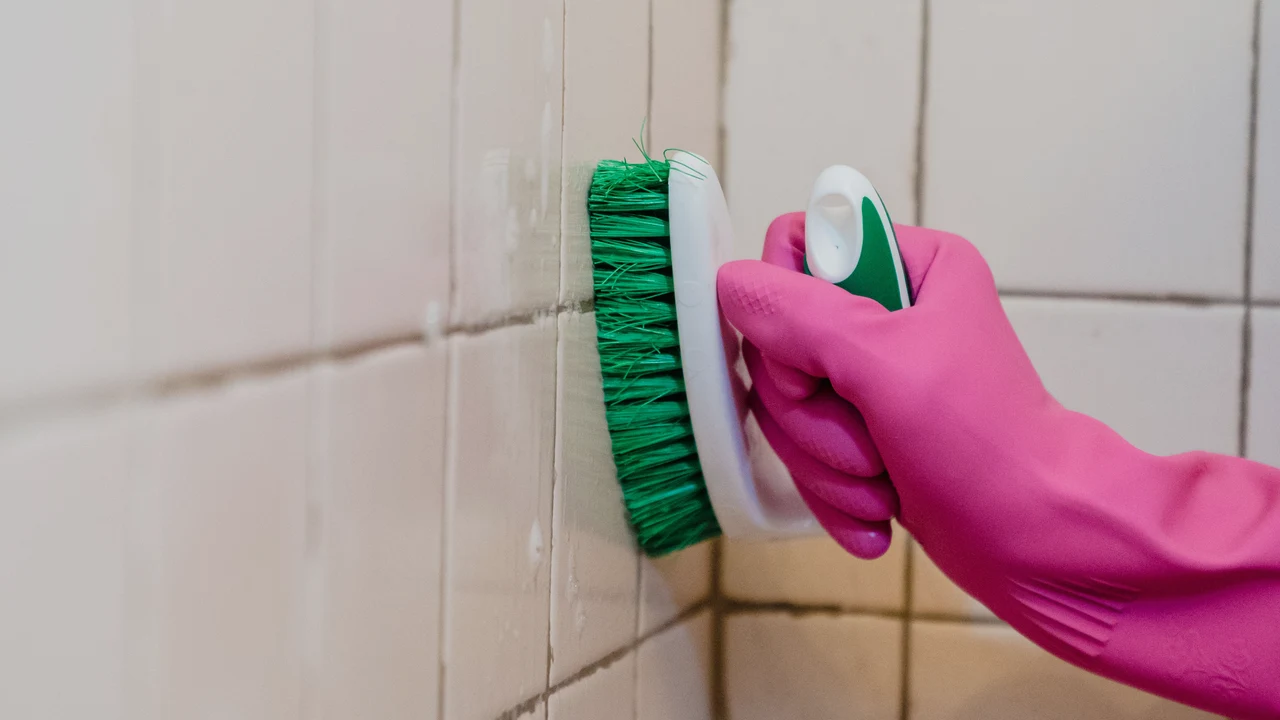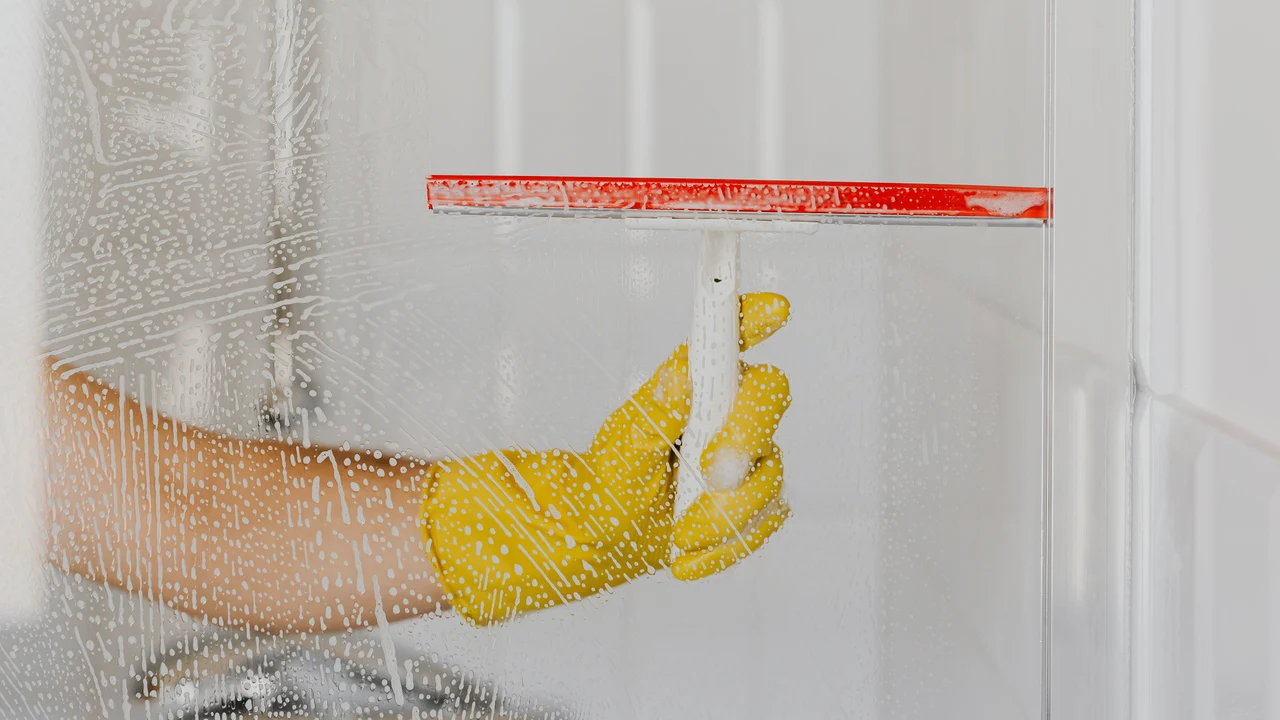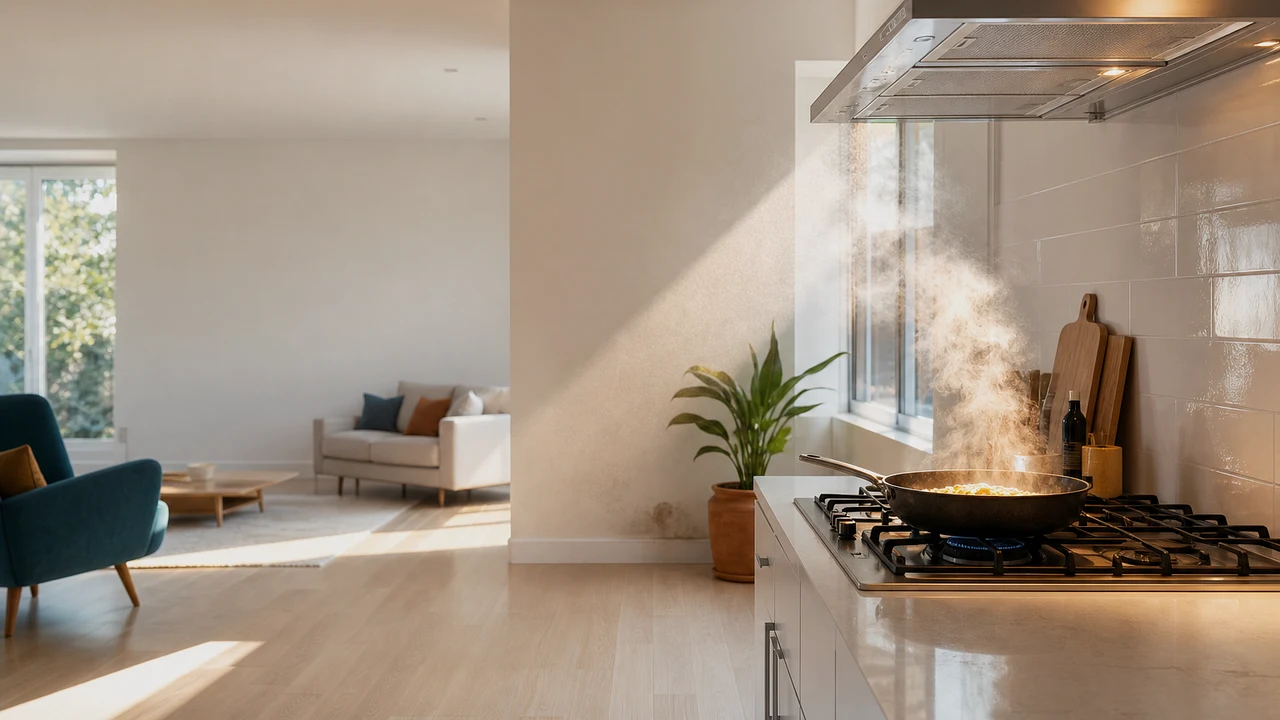
The room can look spotless while the air tells another story
A polished bench proves that the bench was polished. A vacuumed carpet proves that visible debris was collected. Neither observation measures fine particles from frying, nitrogen dioxide from combustion, carbon monoxide from a faulty appliance, vapours from a product or moisture trapped behind furniture. Surface cleanliness and indoor-air quality overlap, but one cannot certify the other.
This is not a reason to fear every ordinary room. It is a reason to match the check to the problem. Indoor-air pollutants come from different sources, behave differently and require different controls. The useful question is not simply whether the room feels fresh. It is what is being generated, how it moves and which action can reduce exposure.
Use three steps: source, pathway, control
Start with the source. Cooking, smoking, burning fuel, damp material, cleaning products, paint, furnishings, hobbies, pests and outdoor smoke can all contribute different particles or gases. Then find the pathway: direct release into the room, leakage from a flue, moisture behind a wall, outdoor air entering a window or polluted air moving from a garage.
Control the source before shopping for a device. Stop smoking indoors, turn down a smoking pan, use outdoor-venting exhaust, fix the leak, remove spoiled material, service the appliance or move a high-emission activity outside when the label permits. Ventilation and filtration can supplement those steps, but they should not become expensive substitutes for an avoidable source.
Fine particles are not the dust you can see on a shelf
Particulate matter is a mixture of solid particles and liquid droplets suspended in air. PM10 and PM2.5 describe size categories rather than one chemical. The smallest regulated fractions are far narrower than a human hair and can remain airborne or travel through a room without forming a visible grey layer on the furniture.
US EPA guidance identifies cooking, combustion, some cleaning activities, candles, fireplaces, smoking products, mould and outdoor air as indoor particle sources. A sunbeam may reveal larger droplets or dust, but the absence of a visible haze does not demonstrate the absence of fine particles. Appearance is a poor measuring instrument at these scales.
Cooking pollutes air even when the kitchen is beautifully clean
Heating food and oil can generate particles, and fuel-burning appliances can add combustion gases. The amount depends on the food, temperature, cooking method, fat, burner and ventilation. A spotless induction kitchen can still produce cooking aerosol, while a gas burner can add pollutants from both the food and the flame.
Use the rangehood whenever cooking. An outdoor-venting hood removes captured material from the home; a recirculating hood passes air through filters and returns it to the room. Capture also depends on hood shape, airflow, noise setting, installation and burner position. Lawrence Berkeley National Laboratory measurements show that front and rear burners can be captured very differently by the same hood.
The better cooking routine starts before the pan smokes
Turn the hood on before or as cooking begins, use rear burners when practical and keep the hood running after the cooking source stops. The US EPA suggests another ten to twenty minutes. Avoid deliberately charring food indoors, use a suitable oil and temperature and clean crumbs and grease that could burn during the next use.
If there is no hood, use an outdoor-venting kitchen or window exhaust fan where available and bring in outdoor air only when the weather, security and outside air quality make that safe. Opening a window beside heavy traffic or during bushfire smoke can exchange one source for another. The route needs to move polluted air out rather than simply stir it around the room.
Combustion creates gases a duster cannot remove
Gas stoves, unflued gas heaters, wood fires, kerosene heaters and poorly vented or maintained fuel-burning equipment can release nitrogen dioxide, carbon monoxide and particles. The US EPA reports that indoor nitrogen dioxide can exceed outdoor levels in homes with gas stoves or unvented combustion heaters. Correct installation, outdoor venting, adjustment and maintenance are central controls.
Never use a gas stove or outdoor barbecue to heat a home. Never run a vehicle or portable fuel-powered generator in a house or attached garage. A clean appliance exterior does not prove that the burner, heat exchanger, flue or exhaust route is operating safely. Follow the manufacturer, local fire authority and qualified service guidance for the exact equipment.
Carbon monoxide defeats both sight and smell
Carbon monoxide is colourless and odourless. A room can look immaculate and smell normal while a dangerous concentration develops. Headache, dizziness, weakness, nausea, chest pain or confusion can resemble other illnesses, so symptoms occurring around fuel-burning equipment deserve urgent attention rather than another cleaning product.
Install approved carbon-monoxide alarms where local guidance requires or recommends them, test and replace them according to the manufacturer and never disable an alarm. If an alarm sounds or poisoning is suspected, move to fresh air and contact emergency services. In Australia, call Triple Zero on 000 for collapse, breathing difficulty, severe symptoms or immediate danger.
Moisture can be hidden after the visible surface dries
A bathroom tile may be polished while moisture remains in grout, plasterboard, a ceiling cavity or the back of a cabinet. Condensation can collect behind furniture and inside wardrobes with limited airflow. Mould requires moisture, so wiping a spot without finding the leak, condensation pattern or drying failure leaves the growth condition in place.
Use bathroom and laundry exhaust, vent clothes dryers as designed, dry wet material promptly and repair leaks. A small humidity meter can help identify patterns, but one reading does not inspect a wall cavity. Repeated musty odour, visible return growth, swollen building material or water damage deserves a building and moisture investigation rather than perfume.
Product vapours do not leave a fingerprint on the floor
Volatile organic compounds, or VOCs, are a broad group emitted by some paints, solvents, cleaners, air fresheners, fuels, furnishings and hobby products. The word volatile describes a tendency to enter the air; it does not mean every compound has the same hazard or that a single total-VOC number can identify the risk.
Read and follow the full label, use the minimum needed for the task, increase ventilation when directed and store containers sealed in an approved location. Never mix cleaners. Product scent is not a dose meter: a weak odour can still deserve attention, while a strong but familiar scent does not by itself identify the compound, concentration or health effect.
An open window is a tool, not a universal rule
Outdoor air can dilute indoor pollutants when it is cleaner than the air inside and the weather and security conditions are suitable. Local exhaust is often more effective because it captures moisture, cooking aerosol or product vapour close to the source before it spreads through the whole room.
During bushfire smoke, dust events, high pollen or severe outdoor pollution, public-health guidance may instead recommend closing doors and windows, using recirculation and filtering indoor air. Australian health advice says to ventilate when the outside air is clean. Check current local air-quality and emergency advice rather than turning one seasonal recommendation into an all-year rule.
A filter can help with particles, but it cannot repair the source
A portable air cleaner or suitable HVAC filter can reduce particles when it is correctly sized, operated and maintained. Clean air delivery rate, or CADR, helps compare particle-cleaning capacity for a room. A unit that is too small, left on an unusably loud setting or fitted with an overloaded filter will not deliver the result implied by its box.
Particle filters do not remove carbon monoxide, solve a water leak or vent a gas burner. Some equipment includes specialised sorbent media for certain gases, but the target, quantity and replacement schedule matter. No home air cleaner removes every pollutant. Source control and suitable ventilation remain the first two layers.
Avoid devices that intentionally make ozone
Ozone is a lung irritant, not healthy oxygen. The US EPA advises against ozone generators sold as air cleaners in occupied spaces and reports that concentrations within public-health limits have little ability to remove most indoor contaminants. Ozone can also react with other indoor chemicals and create additional by-products.
An establishment number or technical-sounding marketing phrase is not proof of government approval or useful cleaning performance. Choose filtration designed for the actual pollutant and avoid equipment that intentionally produces ozone. If ionisation or another electronic process is included, check independent emissions certification and the manufacturer's operating instructions rather than relying on a purity claim.
A consumer air monitor sees only the sensors it contains
A low-cost monitor can reveal patterns, such as particles rising during frying or carbon dioxide building while a room is occupied. That can help test whether an exhaust or ventilation change makes a difference. It is not a complete indoor-air laboratory, and price alone does not establish accuracy.
US EPA guidance warns that a PM-only monitor will not detect carbon monoxide or radon and that performance varies. Do not treat a general air-quality display as a substitute for approved smoke and carbon-monoxide alarms. Record which sensor produced the number, its units, the location and what activity was occurring before drawing a conclusion.
Some invisible hazards depend strongly on location
Radon is a colourless, odourless radioactive gas that can enter buildings from the ground. Its importance varies substantially by geology, construction and country. US guidance emphasises household testing in radon-prone settings. Australia has a much lower national average: ARPANSA reports about 10 becquerels per cubic metre across its national home survey, with regional and building variation.
Do not import a dramatic overseas headline without local context, and do not assume a national average describes one building. ARPANSA says measurement is the only way to know a particular Australian home's level and provides a regional map and meter-hire information. Follow the radiation authority for your location if testing is recommended.
Run the five-source indoor-air audit
First inspect combustion: heaters, stove, fireplace, garage connection, alarms and service history. Second inspect moisture: bathroom exhaust, drying clothes, leaks, condensation and hidden damp. Third inspect cooking: hood type, filter, burner position and whether it is actually used. Fourth inspect products: open paints, solvents, cleaners, fragrances and hobby materials. Fifth inspect outdoor entry: smoke, traffic, pollen and the condition of filters and seals.
Choose one action for the largest controllable source. Service the heater, use the outdoor-venting hood, fix the leak, remove an unnecessary chemical, change the overloaded filter or alter ventilation around a predictable activity. The room does not need ten gadgets. It needs a control that matches the source.
Know when the air problem is an emergency or a professional job
Leave and obtain emergency help for a carbon-monoxide alarm, suspected gas release, smoke, electrical burning, strong unknown chemical fumes, breathing difficulty, collapse, confusion or severe chest symptoms. Do not search for a gas leak with a flame, switch electrical equipment during a suspected gas atmosphere or re-enter a dangerous space to finish cleaning.
Use a qualified professional for combustion-appliance faults, flue and ventilation design, widespread or recurring mould, sewage or contaminated-water damage, hazardous building materials and persistent symptoms with no clear source. Indoor air is not judged by how photogenic the room looks. It is managed by finding the source, interrupting the pathway and verifying that the control actually works.
Sources and further reading
- Australian Department of Health: Simple steps to improve indoor air quality at home ↗
- NSW Health: Common indoor-air pollutants and household sources ↗
- US EPA: Sources and control of indoor particulate matter ↗
- Lawrence Berkeley National Laboratory: Rangehood capture of cooking particles ↗
- US EPA: Nitrogen dioxide from indoor combustion ↗
- US CDC: Carbon-monoxide poisoning, symptoms and alarms ↗
- US EPA: Household volatile organic compounds and exposure reduction ↗
- NSW Health: Moisture control and household mould ↗
- Australian Department of Health: Bushfire-smoke advice for indoor air ↗
- US EPA: What home air cleaners and filters can and cannot do ↗
- US EPA: Ozone generators sold as air cleaners ↗
- US EPA: Capabilities and limits of low-cost indoor-air monitors ↗
- ARPANSA: Australian residential radon survey and regional map ↗
This article was written for Curiosity Desk. We do not copy other publishers or invent quotes. If a material error is found, we correct it openly.
Read the full standards →One answer should lead to a better question
Bring your curiosity to the group
Curious Minds is our public Facebook community for surprising science, strange history, Australian wildlife and everyday questions. No copied posts, no personal-friend invitations and no link dumping.
- Three self-contained discussion prompts each week
- Sourced answers and honest uncertainty
- Respectful conversation without spam