The machine begins with an extremely dilute target
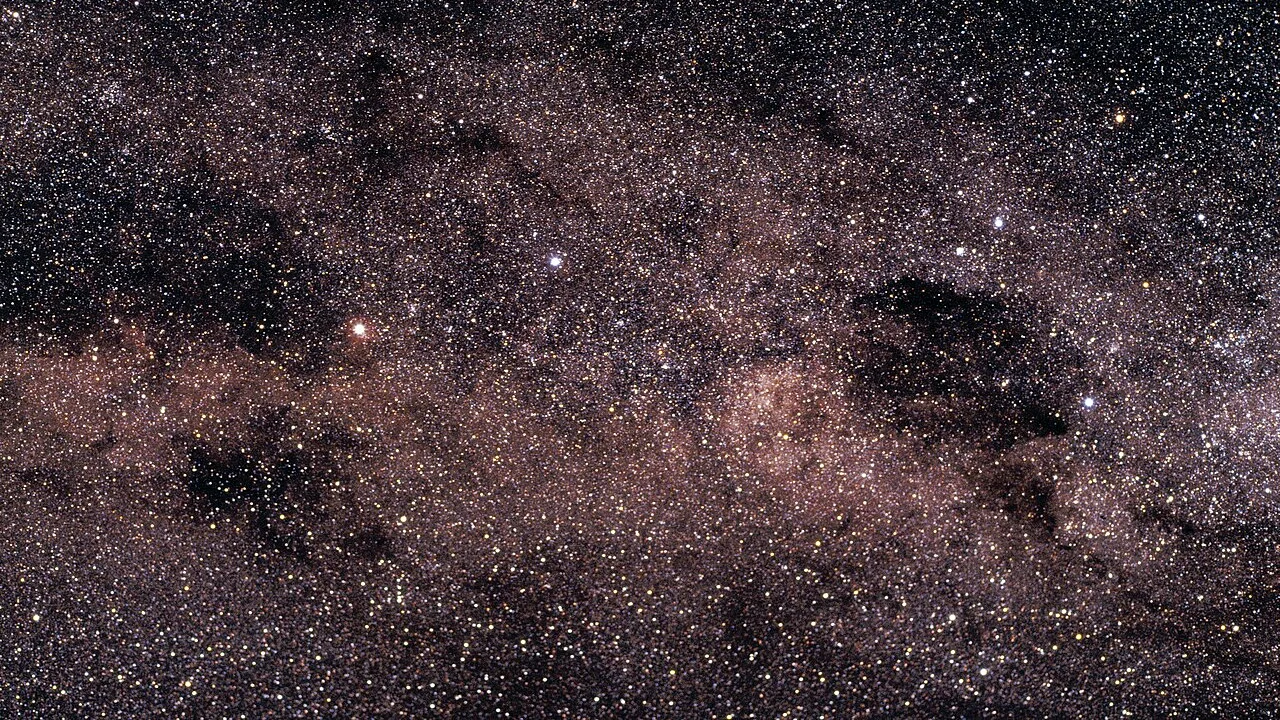
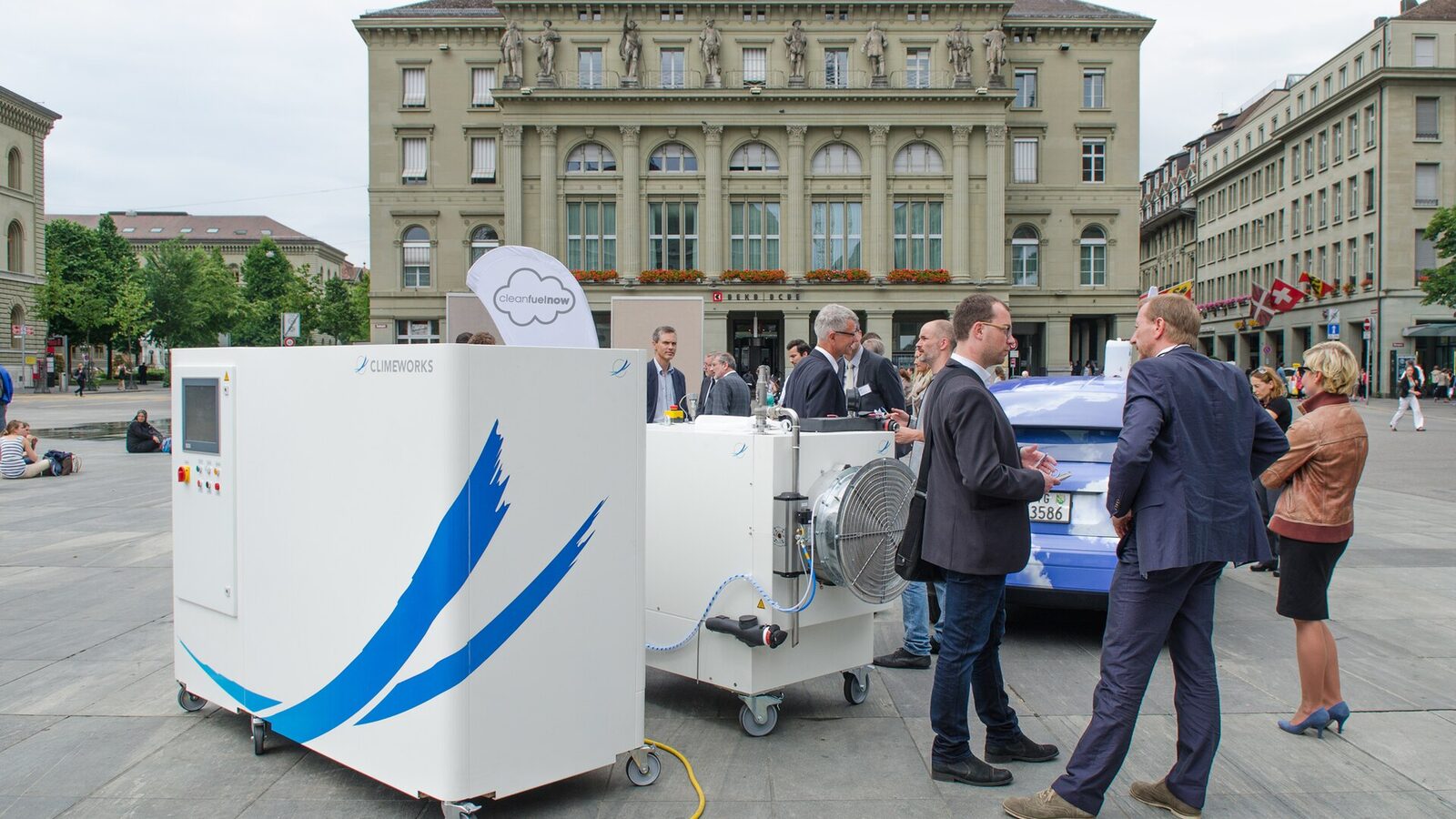
Carbon dioxide makes up roughly 0.04 percent of ordinary air, a little more than four molecules in every ten thousand. A capture material must encounter enormous volumes of nitrogen, oxygen, water vapour and trace gases while finding CO2 selectively. Fans and contact surfaces exist because the target will not arrive in a concentrated exhaust pipe.
Point-source capture treats gas from a power station or industrial process before it disperses. Direct air capture works after emissions have mixed globally. That gives a plant flexibility about location near storage or clean energy, but dilution raises the thermodynamic and practical effort needed for each tonne collected.
Liquid solvents and solid sorbents hold carbon by chemistry
The US Department of Energy groups current designs into two broad approaches. Liquid-solvent systems pass air through chemicals that react with or dissolve CO2. Solid-sorbent systems use porous filters whose surfaces chemically bind the molecule. Both approaches aim to favour carbon dioxide strongly enough to collect it from the surrounding gases.
A fan wall is therefore only the visible front door. Behind it, designers manage contact time, moisture, pressure drop and the tendency of capture materials to degrade or pick up contaminants. Strong binding helps gather dilute CO2, yet it creates the next problem: the material must let go so it can be used again.
Regeneration concentrates the gas and consumes much of the energy
After loading, the solvent or sorbent is heated, placed under vacuum or exposed to a change in humidity or chemical conditions. That reverses the binding and releases CO2 in a much more concentrated stream. The capture material returns to the air contactor for another cycle while the gas is dried and compressed.
The regeneration step is why a material cannot simply grab carbon as tightly as possible. Engineers balance selectivity, speed, capacity, durability and the energy needed to release each molecule. Low-carbon heat and electricity are essential: a process powered by high-emission energy can erase much of the climate benefit it was built to deliver.
Capture becomes removal only when the carbon stays put
Concentrated CO2 can be injected into suitable deep geological formations, mineralised into stable compounds or used in products. Storage intended to deliver removal needs monitoring, accounting and a credible expectation of durability. Turning CO2 into a fuel can displace fossil carbon in some circumstances, but burning that fuel returns the captured molecule to the air.
Net removal must subtract emissions from energy, construction, material replacement, transport and storage operations. A plant's nameplate capture capacity is not automatically the same as verified tonnes removed. Boundaries, leakage assumptions and the permanence of the destination determine whether the climate ledger closes.
Direct air capture is a cleanup tool, not permission to keep adding smoke
CSIRO and the International Energy Agency frame direct air capture as part of a wider net-zero strategy, not an alternative to reducing emissions. Avoiding a tonne at a source is generally more direct than releasing it, mixing it through the atmosphere and paying to search for it again. Some residual and historical emissions may still require removal.
The technology's promise depends on scale, cost, clean energy, material supply, water, community acceptance and dependable storage. None of those limits makes the chemistry imaginary. They reveal the full machine: an air mover, a selective molecular trap, a regeneration system and a long-term destination—all built to retrieve four target molecules from a crowd of ten thousand.
The treated air returns immediately; the carbon begins another journey
Air leaving a contactor contains slightly less CO2, not a vacuum or an oxygen-rich product. Atmospheric mixing quickly replaces the small local difference. The climate value comes from the separated carbon stream and its durable destination, not from maintaining a bubble of purified outdoor air around the plant.
Captured CO2 must be compressed, transported when storage is not on site, injected or mineralised, and monitored. Each stage has equipment, energy and failure modes. Following that downstream chain prevents the fan array from becoming a misleading symbol of completed removal when the difficult accounting continues long after the molecule leaves the filter.
Sources and further reading
This article was written for Curiosity Desk. We do not copy other publishers or invent quotes. If a material error is found, we correct it openly.
Read the full standards →One answer should lead to a better question
Bring your curiosity to the group
Curious Minds is our public Facebook community for surprising science, strange history, Australian wildlife and everyday questions. No copied posts, no personal-friend invitations and no link dumping.
- Three self-contained discussion prompts each week
- Sourced answers and honest uncertainty
- Respectful conversation without spam