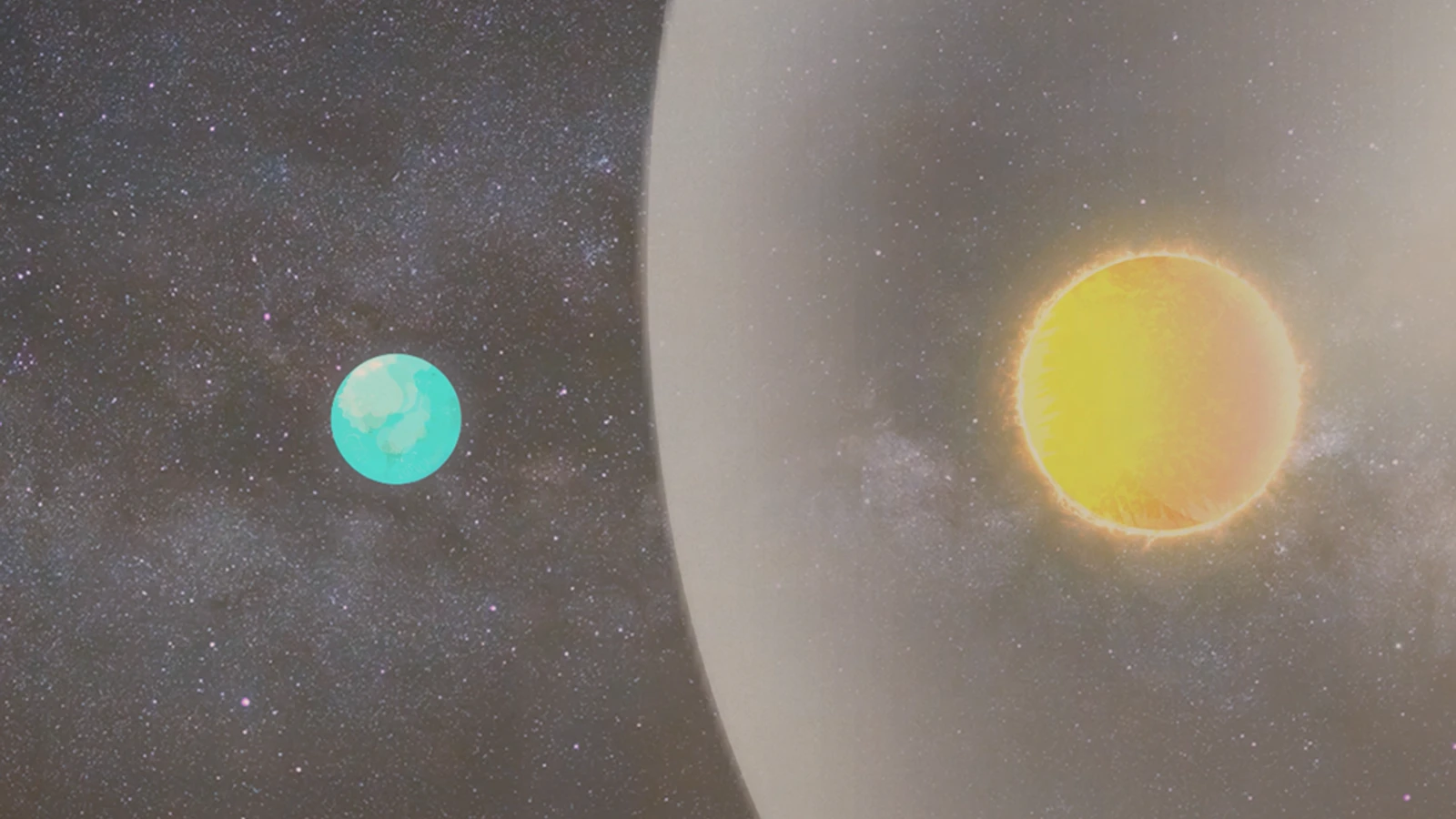
Earth is a laboratory for a vast plasma problem
The short answer is that ESA’s proposed Plasma Observatory would use seven spacecraft to compare plasma activity around Earth at more than one size scale at the same time. Plasma is a gas whose atoms have lost or gained electrons, so it contains electrically charged particles. Around Earth, that plasma interacts with the planet’s magnetic field and with the solar wind: the stream of charged particles flowing outward from the Sun. Those interactions can transfer energy and reorganise magnetic fields, but they do not happen at one neat, fixed size.
A change spread across a large region can be linked to much smaller structures in the plasma. ESA’s current programme update says earlier work found relevant interactions ranging from kilometres to tens of thousands of kilometres, and from milliseconds to minutes. The underlying multiscale white paper makes the same limitation explicit: existing multi-point measurements do not provide enough simultaneous sampling to resolve how the scales couple. The key difficulty is not merely seeing a small feature. Scientists also need to know whether it is responding to a wider change, creating a wider change, or changing on its own while the larger environment stays similar. Measurements at only one scale can leave those possibilities tangled together. Earth’s magnetosphere is therefore a practical laboratory for a broader plasma-physics problem, not a claim that every process around Earth is already understood.
Seven spacecraft would compare two scales at once
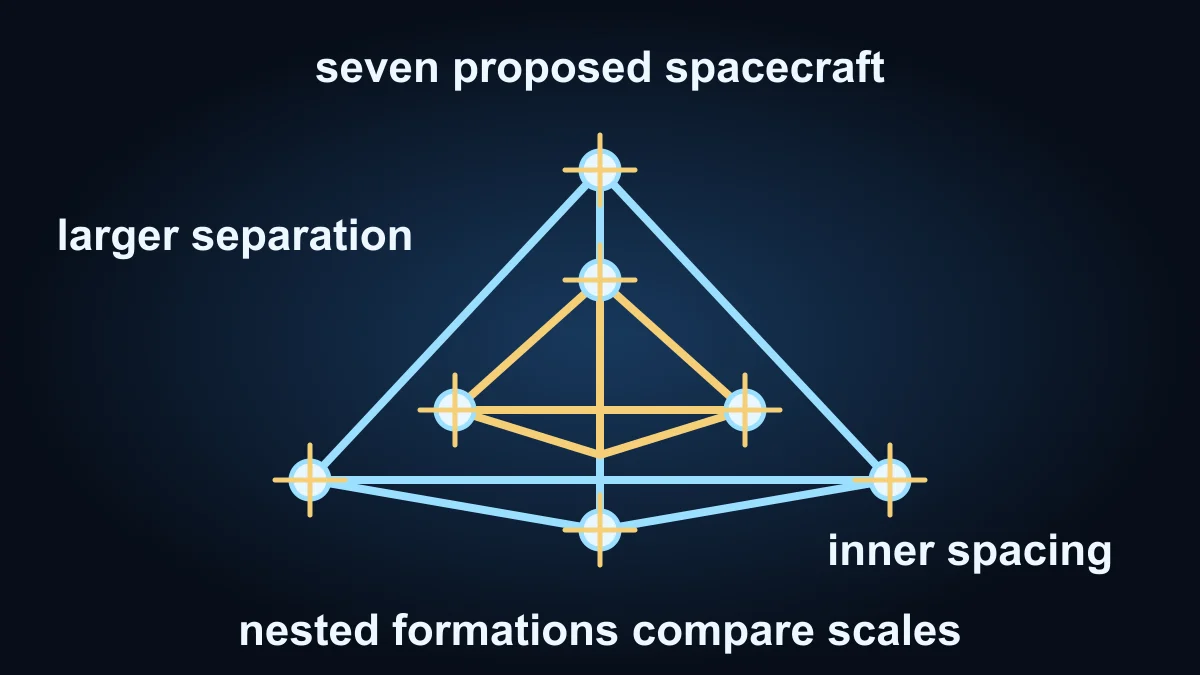
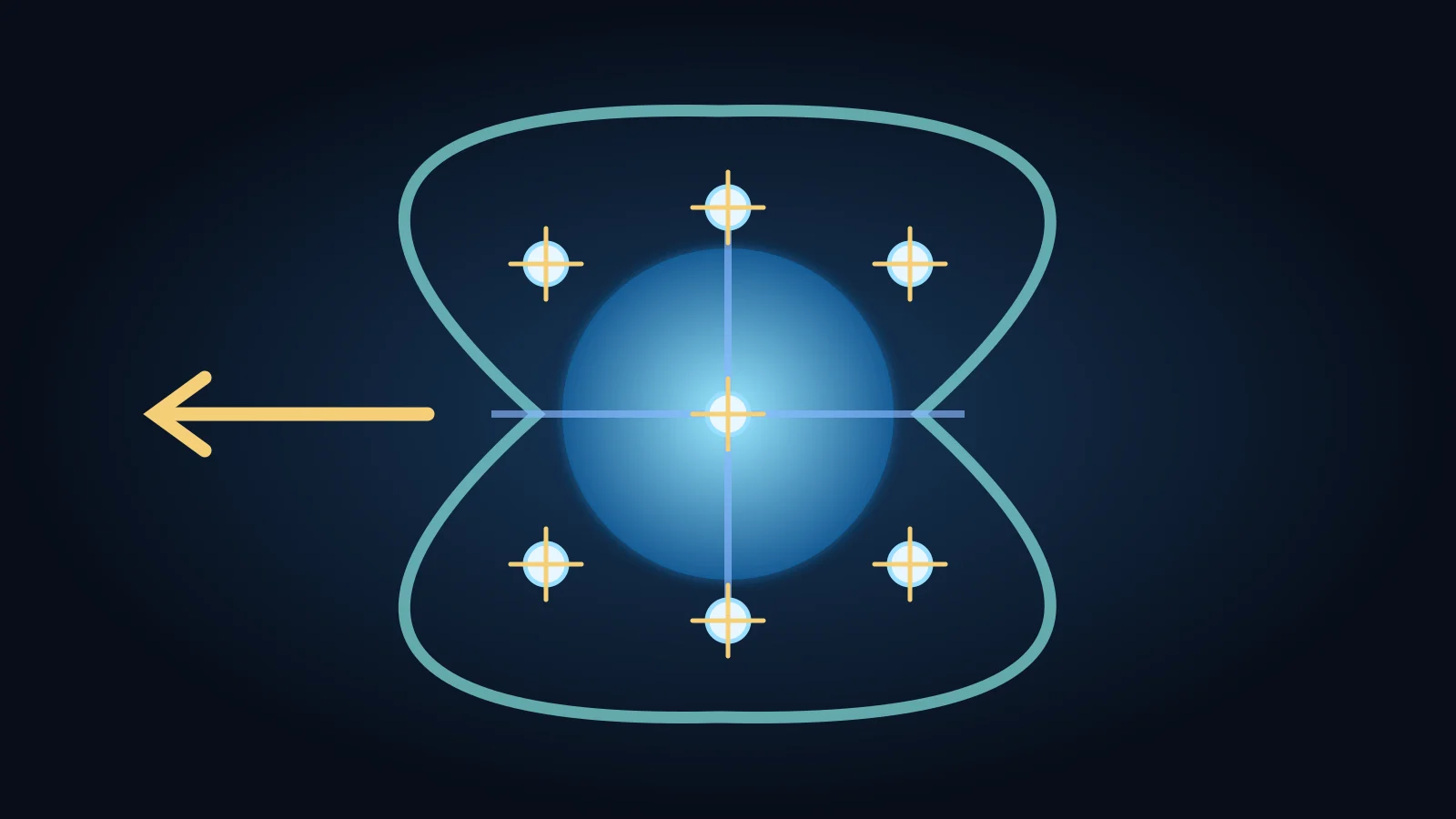
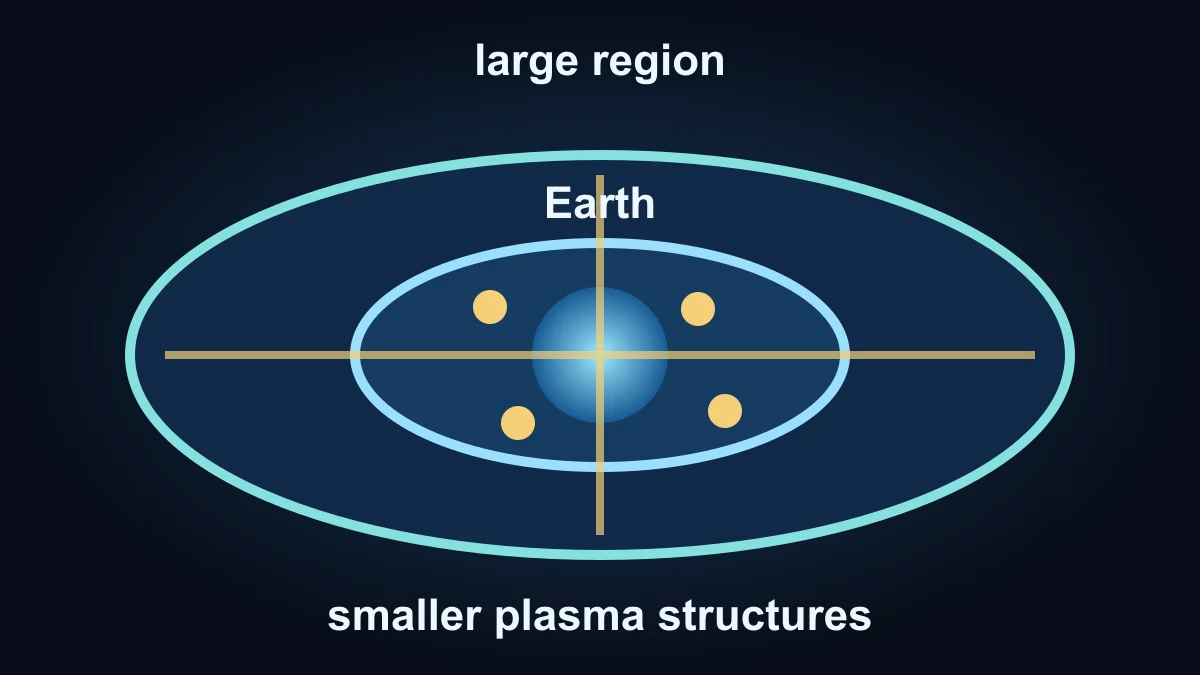
The proposed answer is not simply to scatter seven identical satellites around the sky. The proposal-team mission description describes two nested tetrahedral formations sharing one spacecraft. In plain language, a tetrahedron is a four-point, three-dimensional shape. The larger formation would provide context for a broader plasma environment, while the smaller one would sample a smaller scale. Comparing the two at the same time could help researchers tell whether a pattern belongs to a local structure, a wider environment, or the connection between them.
That comparison matters because a single spacecraft cannot easily distinguish a structure moving past it from a structure changing in time. ESA says the proposed constellation would be the first mission able to study interactions on several scales of space and time simultaneously. The proposal team describes measurements at ion and fluid scales, including calculated gradients at two scales. A gradient here means a measured change from one location to another, which is useful only when the spacecraft positions and timing are interpreted together. These are intended capabilities and science goals, not delivered measurements. The article does not claim that the formation can observe every scale, settle every magnetic-reconnection question, or produce a forecast for a particular space-weather event.
A recommendation is not a mission yet
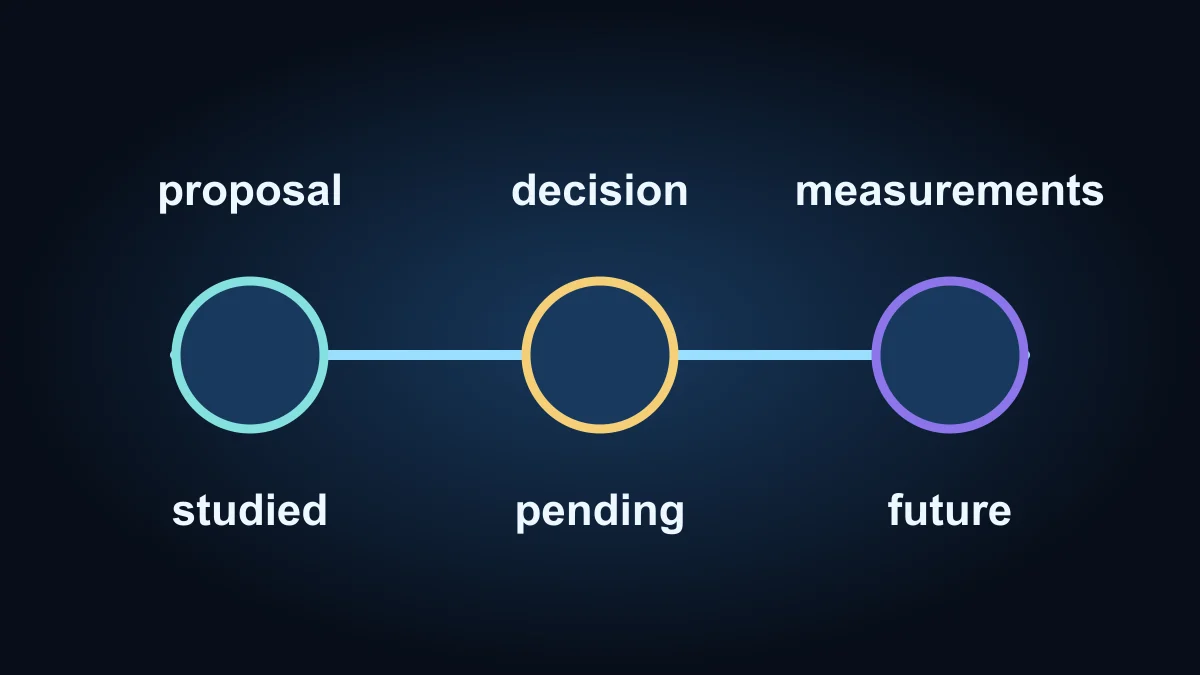
The present status is easy to overstate. ESA reported in June 2026 that it had proposed Plasma Observatory to its Science Programme Committee after assessing the finalists for the next medium-class mission. The Committee took note of that recommendation, but ESA says the formal decision will be made at its next meeting in November 2026. A recommendation is meaningful evidence that the concept has passed a serious study stage; it is not evidence that the mission has been formally selected, funded through every later stage, launched or started collecting data.
That boundary also clarifies what this explanation can and cannot promise. Established now are the scientific motivation, the seven-spacecraft concept and ESA’s stated pending-decision status. New observations, real spacecraft performance, launch timing and mission results remain uncertain because they have not happened. If ESA formally selects the mission, later official records may specify a design, schedule and operating plan; those would still require their own evidence and fresh status checks. For now, the useful curiosity is the measurement idea itself: seven proposed viewpoints could make a changing magnetic environment easier to compare without pretending that the observatory is already there.
Sources and further reading
This article was written for Curiosity Desk. We do not copy other publishers or invent quotes. If a material error is found, we correct it openly.
Read the full standards →One answer should lead to a better question
Bring your curiosity to the group
Curious Minds is our public Facebook community for surprising science, strange history, Australian wildlife and everyday questions. No copied posts, no personal-friend invitations and no link dumping.
- Three self-contained discussion prompts each week
- Sourced answers and honest uncertainty
- Respectful conversation without spam