Magnetic fields can reconnect at Earth’s boundary
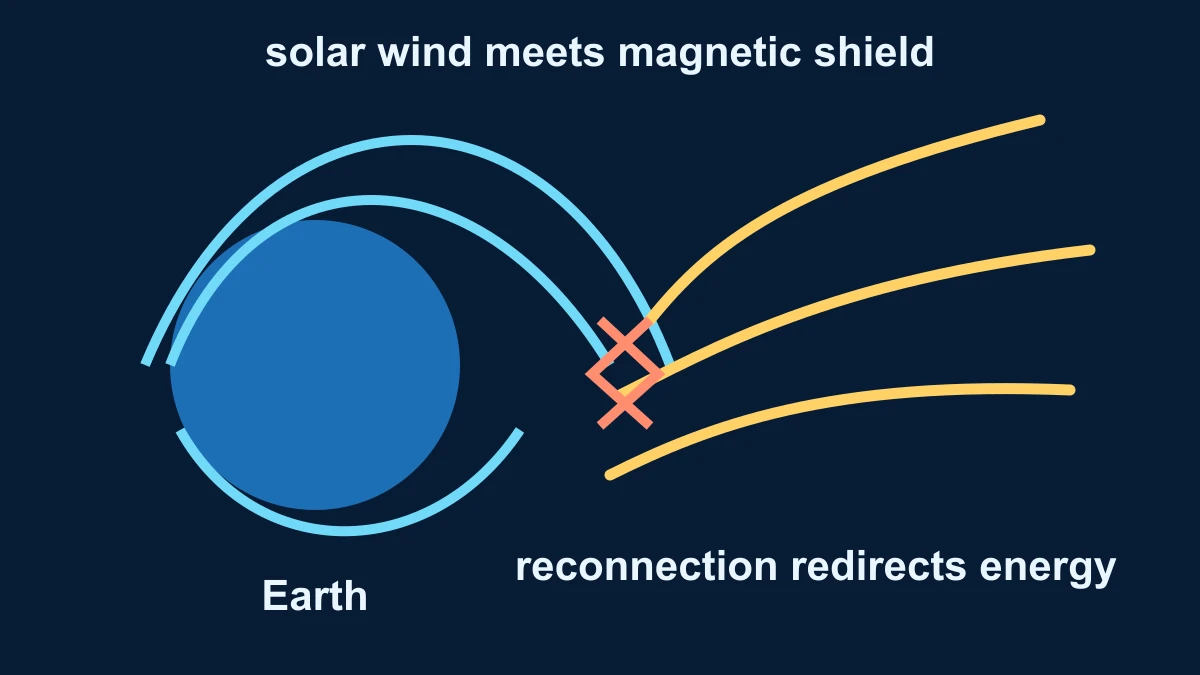
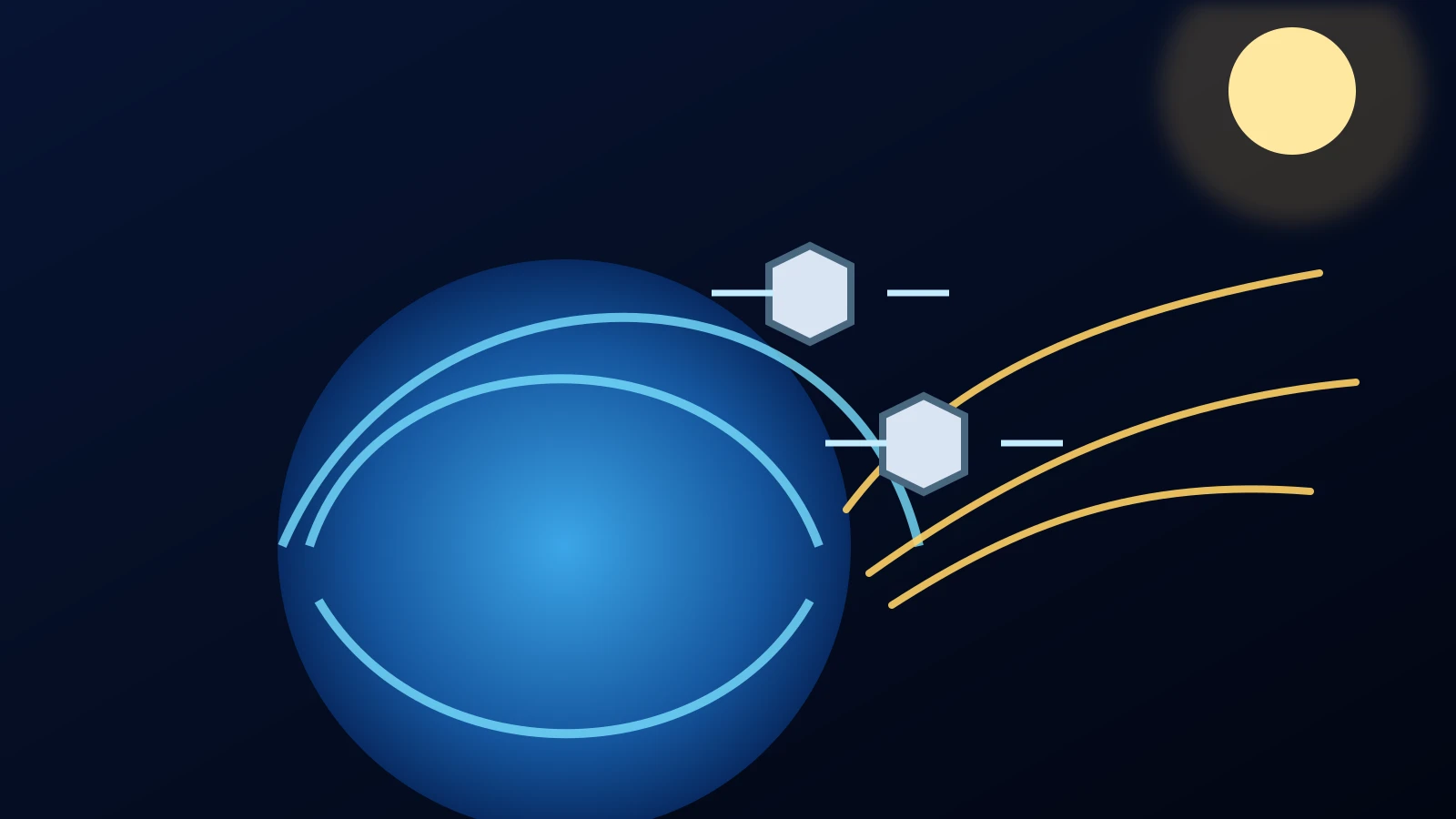
Earth’s magnetic field forms a broad region called the magnetosphere. The solar wind—charged particles and magnetic field continually flowing outward from the Sun—pushes on its sunward edge. When the two magnetic environments meet in suitable conditions, their field lines can break and reconnect into a different arrangement. That change can transfer energy and redirect particles, with effects that travel toward Earth’s upper atmosphere. It is one reason space-weather researchers care about a process that is invisible to the eye but can be linked to auroras and disturbances affecting technology. It does not mean the magnetic field has disappeared: reconnection changes which field lines connect and where energy can travel.
NASA describes TRACERS as an active mission focused on magnetic reconnection and its atmospheric effects. The key word is not “explosion” but comparison: reconnection can vary across the magnetic boundary and can also evolve rapidly. A detector at one location can record a difference without revealing whether the process changed over time or whether the spacecraft simply sampled another patch. The first diagram is therefore an explanatory model, not an image of a measured event. It shows the causal relationship NASA describes, while omitting an invented scale, a particular storm or a claim that every reconnection event produces the same result. That restraint matters because a picture of lines or particles is a teaching tool, whereas the mission’s instruments provide the measurements that must later be interpreted.
Two passes can separate change in time from change in place
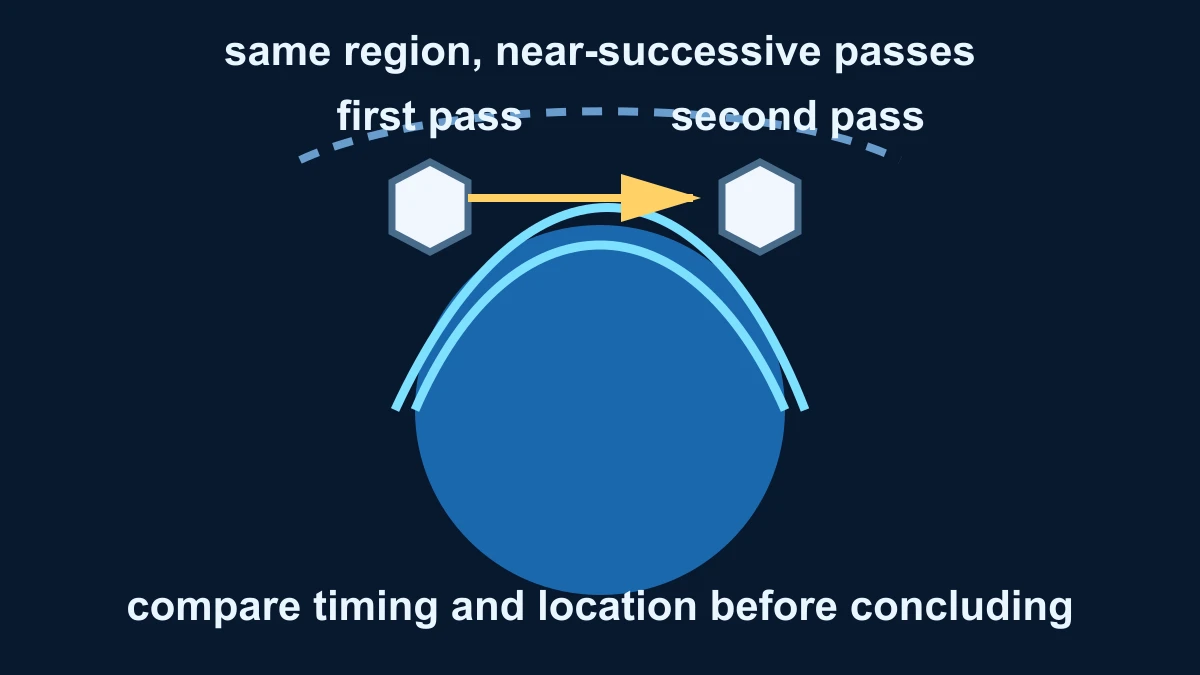
TRACERS is short for Tandem Reconnection and Cusp Electrodynamics Reconnaissance Satellites. NASA’s mission material describes two spacecraft flying through a polar cusp, a region where Earth’s magnetic field bends down and solar-wind particles can be funnelled toward the atmosphere. The pair pass through in rapid succession. That creates two observations close enough together to compare a feature’s timing and shape rather than treating a single pass as the whole story.
The logic is simple but demanding. If both spacecraft see a similar pattern in the expected order, researchers can test whether the pattern moved or changed between the passes. If they see a difference, they must still analyse the instruments, orbit, solar-wind conditions and spatial geometry before assigning a cause. NASA’s Explorers material describes the mission goal as distinguishing spatial from temporal reconnection variability; it does not promise that two readings automatically answer that question. The second diagram visualises the comparison strategy, not a completed data product or a prediction of any particular space-weather event.
Preliminary data are not a finished answer
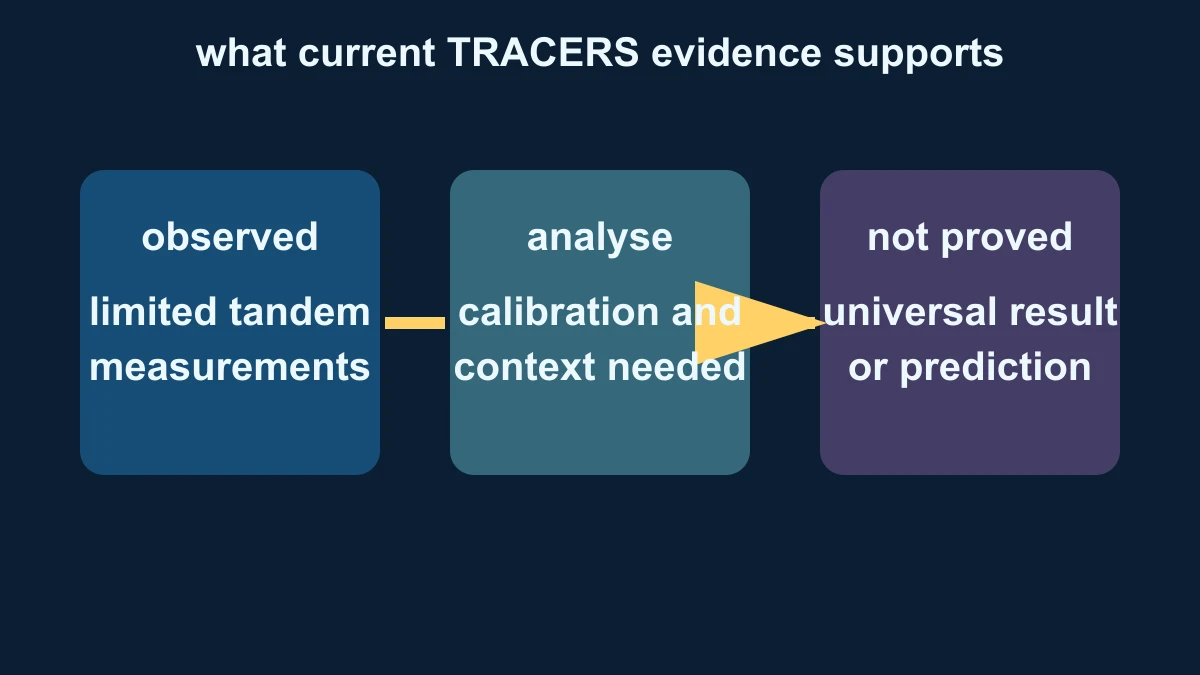
The present operational boundary matters. In December 2025, NASA reported that Space Vehicle 2 had completed commissioning, while Space Vehicle 1 was operating with limitations after an earlier power-system problem. NASA said the team retargeted science collection to Earth’s southern polar cusp so the affected spacecraft could receive enough sunlight, and that both vehicles were collecting limited routine tandem measurements there. Those are established operational facts and a real start to data collection—not a published conclusion about how reconnection behaves in every condition. The revised observing plan also means that older descriptions of northern-cusp operations should not be used as though they were the current data-collection status.
The strongest current claim is therefore about method and evidence. TRACERS can collect paired cusp measurements that researchers can analyse alongside other information, but NASA says the impact on the mission’s science goals was still being assessed as the team developed a new operational plan. A later peer-reviewed analysis, calibrated instrument record or NASA update could change what the mission demonstrates. This package does not claim that TRACERS can predict individual geomagnetic storms, that a single pair of passes proves a universal mechanism, or that the constrained spacecraft has no effect. Those would require evidence beyond the cited records. Keeping that distinction visible lets the reader understand why the mission is scientifically interesting without converting an operational update into a discovery claim.
Sources and further reading
This article was written for Curiosity Desk. We do not copy other publishers or invent quotes. If a material error is found, we correct it openly.
Read the full standards →One answer should lead to a better question
Bring your curiosity to the group
Curious Minds is our public Facebook community for surprising science, strange history, Australian wildlife and everyday questions. No copied posts, no personal-friend invitations and no link dumping.
- Three self-contained discussion prompts each week
- Sourced answers and honest uncertainty
- Respectful conversation without spam