The solar wind presses on Earth’s magnetic shield
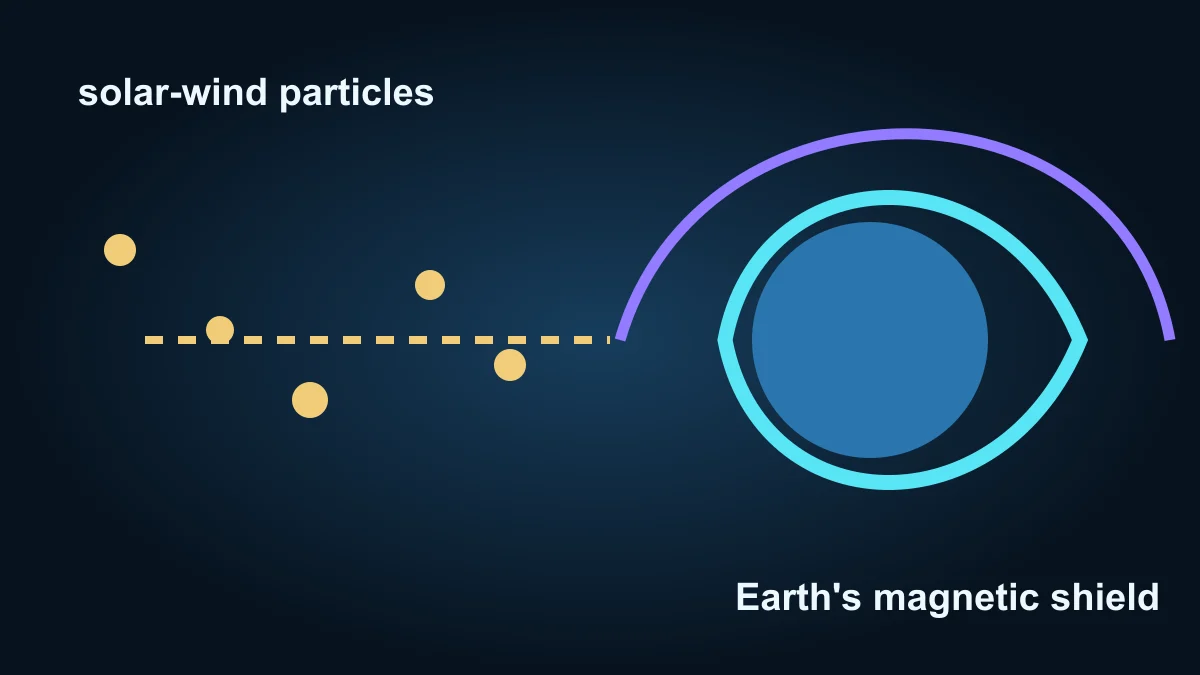
The solar wind is a continual outward flow of charged particles from the Sun. Earth is not simply exposed to it: our planet’s magnetic field creates a large region called the magnetosphere, which deflects and channels much of that flow. The boundary changes shape as the solar wind changes, and some energy and particles can enter the system and help drive auroras and geomagnetic disturbances. Smile is designed to watch those linked changes as one connected process rather than as separate pictures of the Sun, the magnetic boundary and the northern lights.
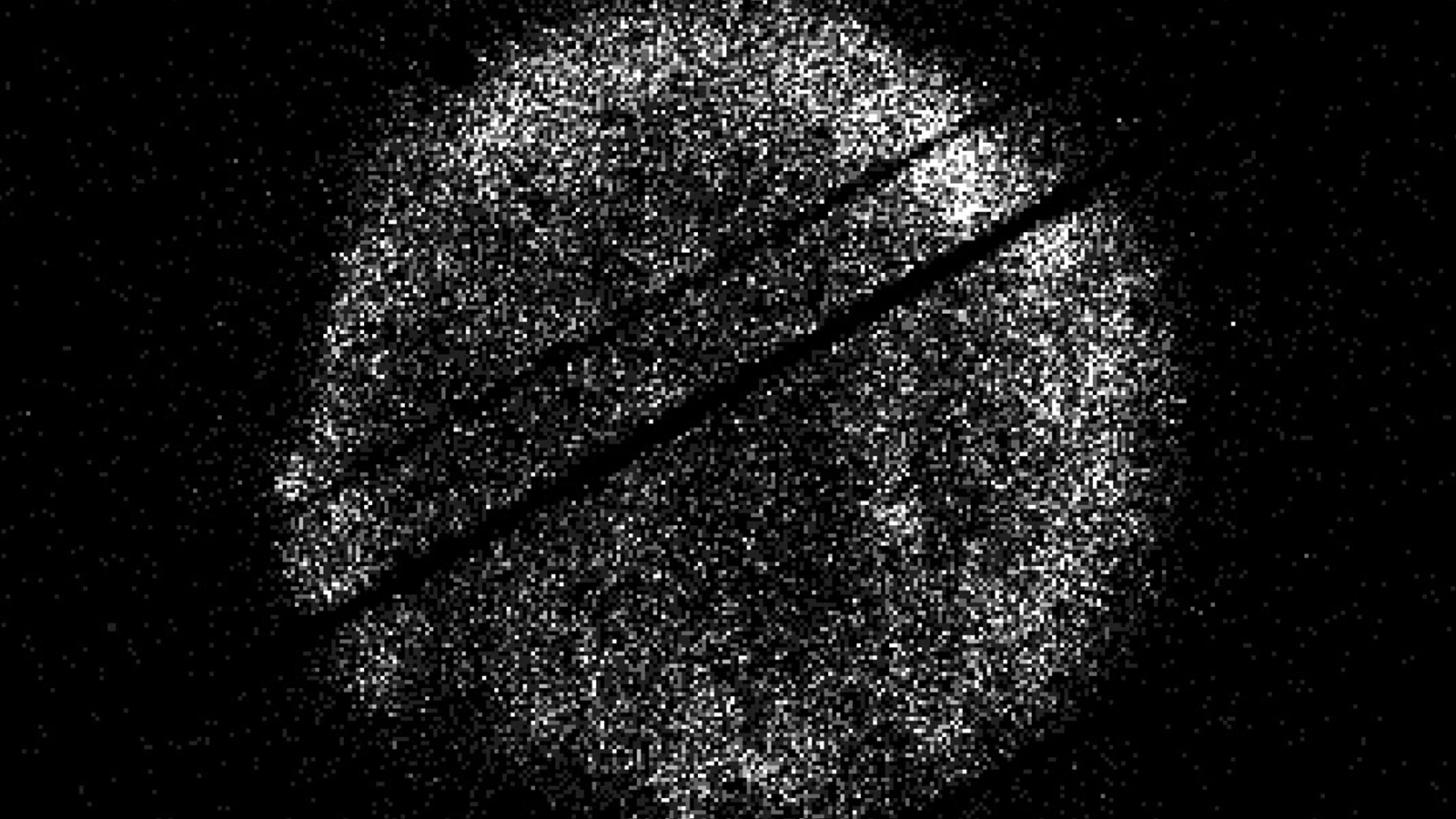
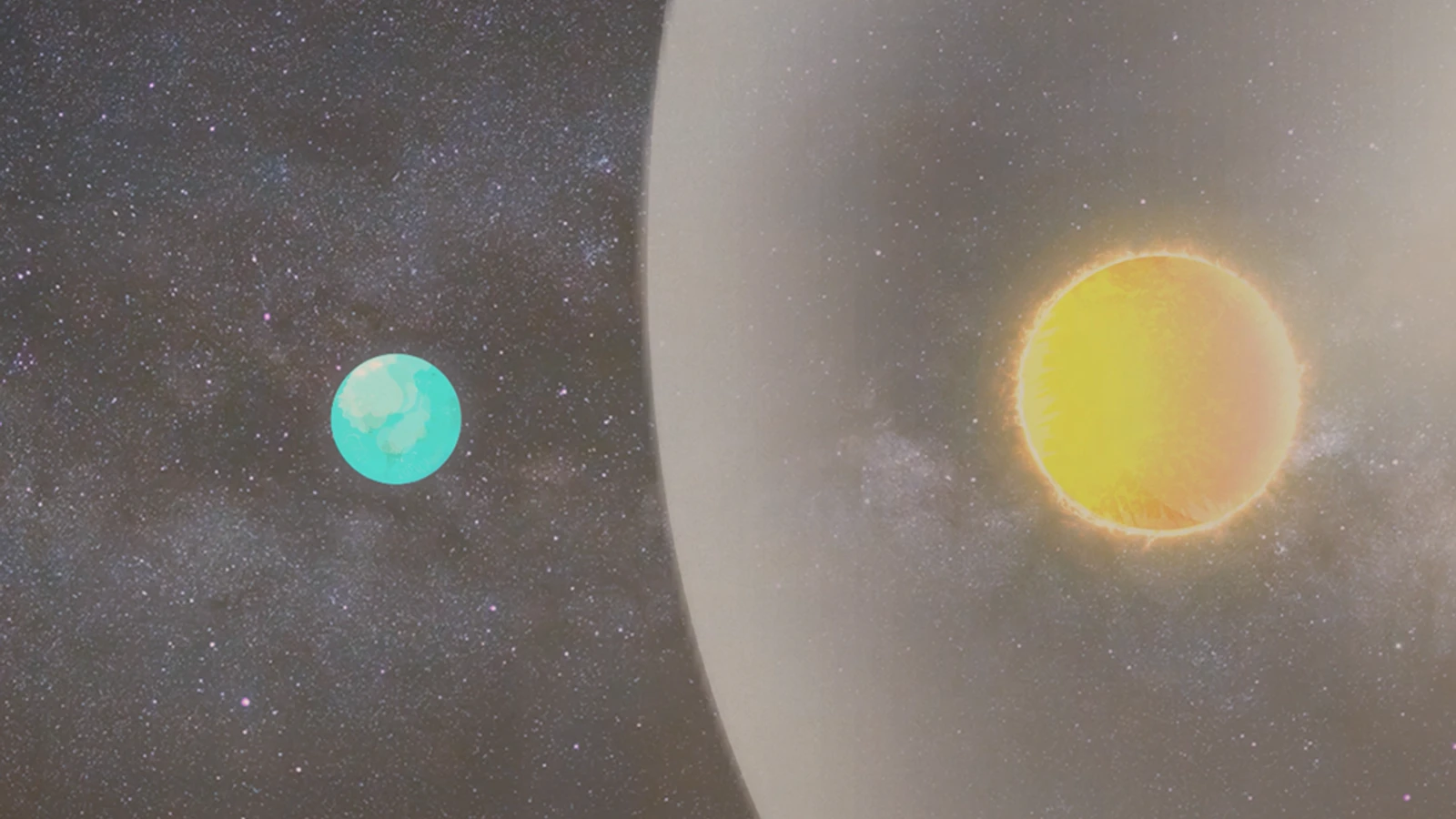
ESA’s factsheet says Smile will use remote-sensing and in-situ instruments together. The remote instruments are intended to image key near-Earth regions, while the local instruments sample particles and magnetic fields around the spacecraft. That distinction is important. An image of a boundary can reveal its shape and motion, but it does not by itself explain the particle conditions or magnetic configuration that produced it. The mission’s value is in comparing the views, then testing whether one physical explanation fits all of them. The article’s diagrams therefore show relationships, not an alleged photograph or a finished mission data product. They deliberately omit scale, precise event timing and any colour-coded data claim that the cited records do not establish.
Smile’s long orbit gives it a wide view
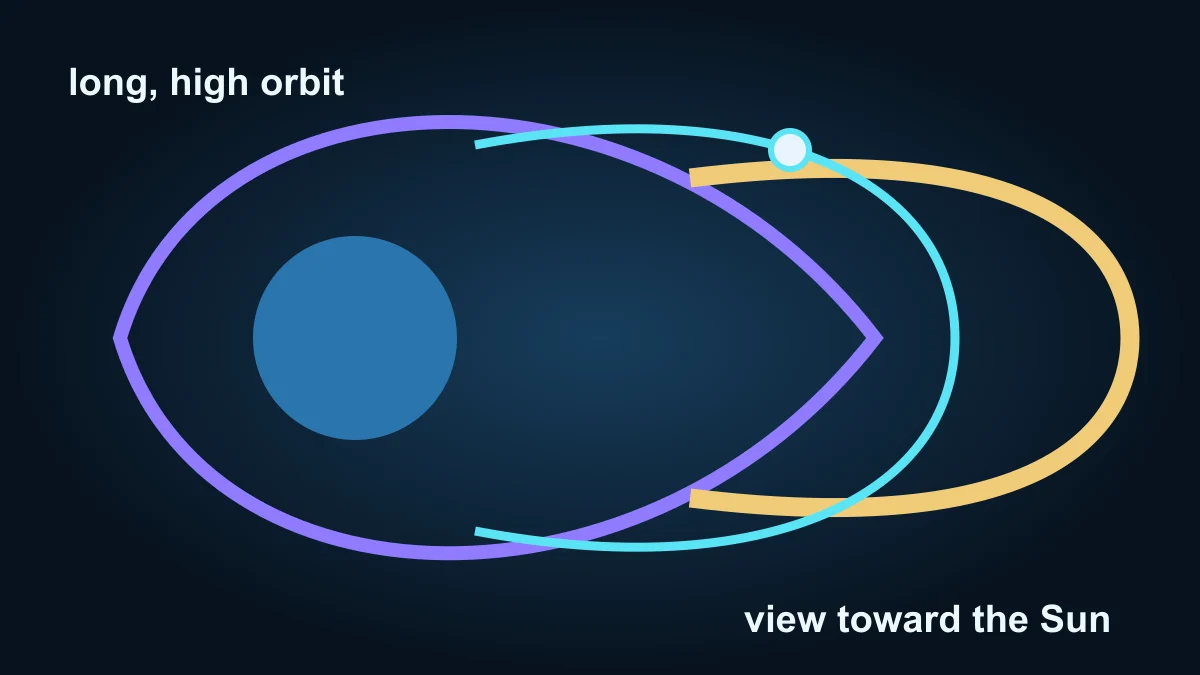
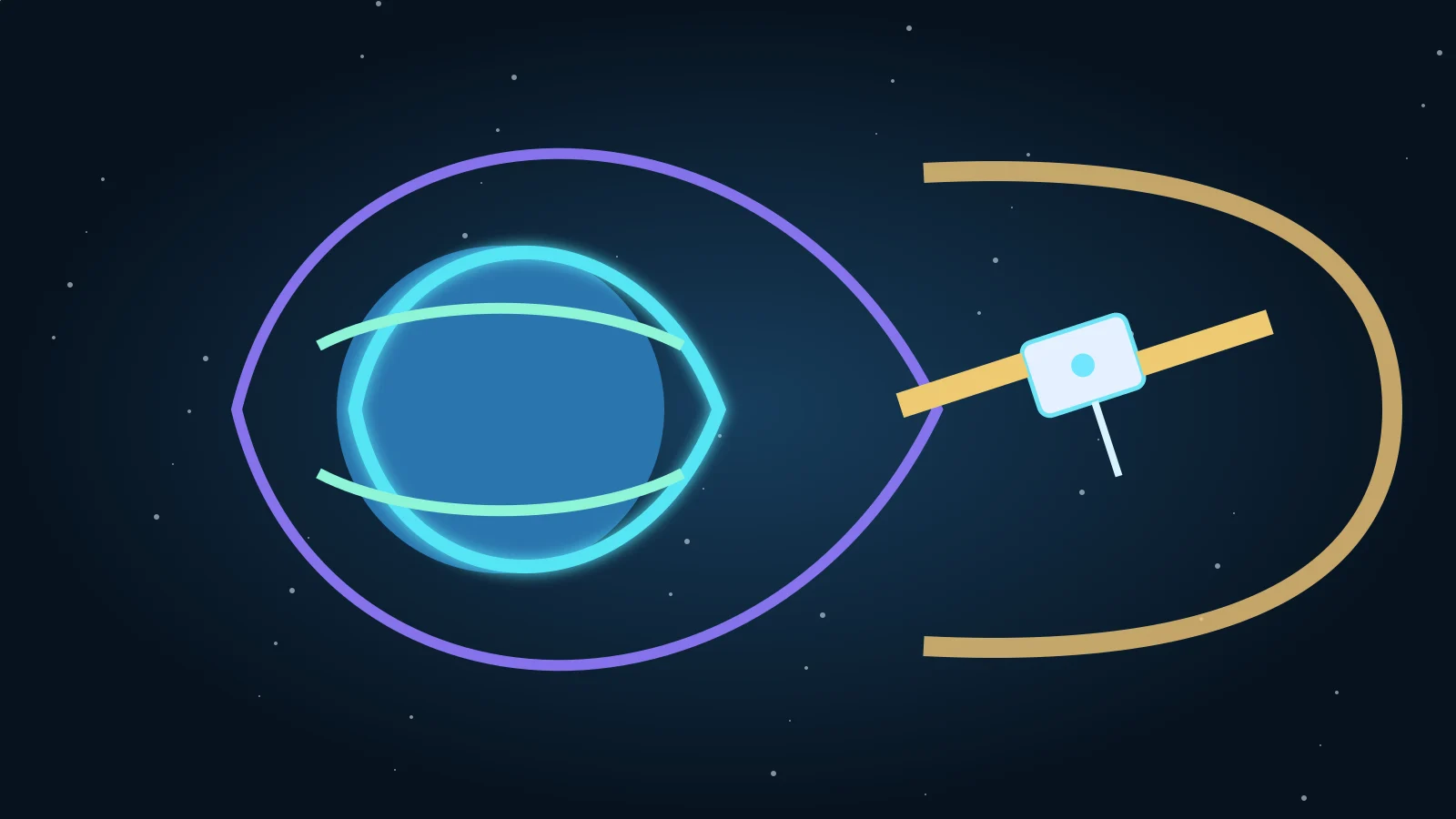
Smile’s highly inclined, highly elliptical orbit is an observing strategy, not just a route to space. ESA says it reaches roughly 121,000 kilometres above the North Pole before coming much closer above the South Pole. From the distant part of that orbit, the spacecraft can look toward the Sun-facing side of Earth’s magnetic environment, where the solar wind first meets the magnetosphere. Its changing distance also creates periods suited to observing the auroral region from a broad perspective.
The mission carries four instruments: a soft X-ray imager, an ultraviolet aurora imager, a light-ion analyser and a magnetometer. ESA describes the X-ray instrument as mapping magnetospheric boundaries through solar-wind charge exchange, while the ultraviolet imager tracks auroral emissions. The ion analyser and magnetometer add local measurements of charged particles and the magnetic field. Combining them does not make a perfectly complete picture on every orbit; it gives scientists several compatible ways to challenge or refine a model of the same system. The measurements are complementary, so a disagreement is also useful evidence rather than a reason to quietly pick the prettiest image.
Four instruments can test a whole-system picture
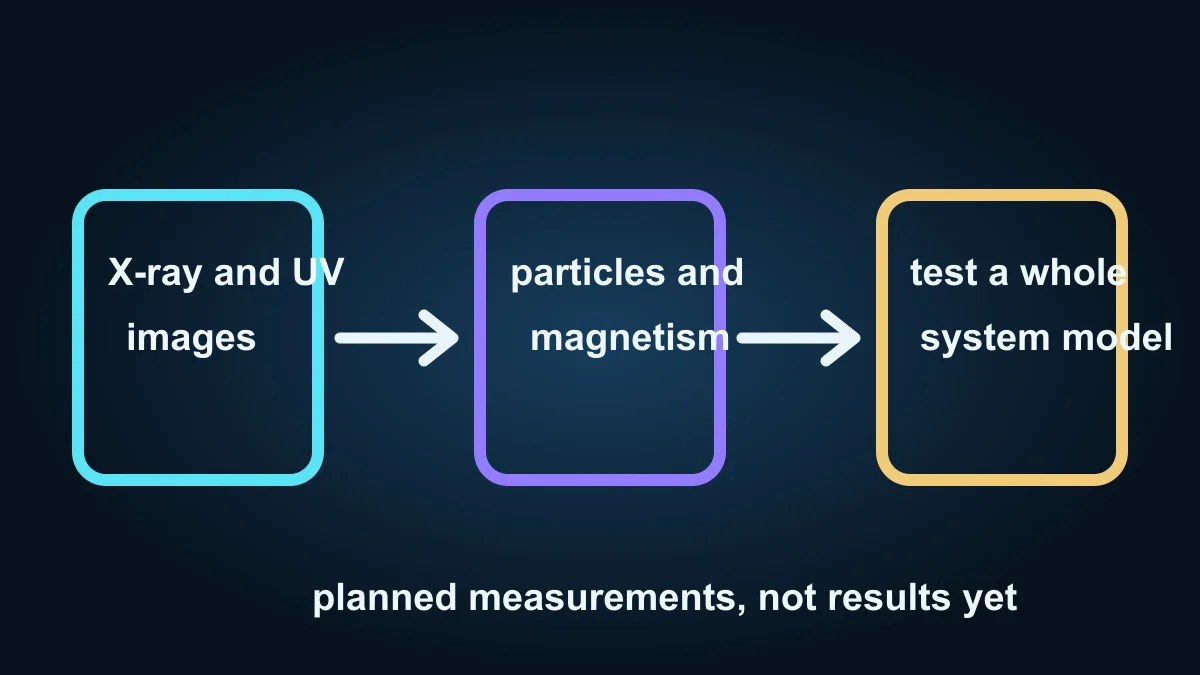
The strongest claim the current records support is about planned capability. Smile reached its designated science orbit on 20 June 2026, according to ESA’s June update, and the teams began commissioning the spacecraft’s instruments. Commissioning means switching on, checking and calibrating equipment to make sure it is ready for reliable science; it is not the same thing as a reviewed finding about solar storms, auroras or the magnetosphere. ESA said that work would run through the end of August, with the real science set to begin in September.
That time boundary makes the mission more interesting, not less. Once routine observations begin, Smile can provide a testable sequence: image the large-scale boundary and auroral response, compare that view with local ion and magnetic data, then ask whether a model explains their timing and shape together. A future report may show a particular event or result, but this package does not assume one. It explains what the instruments are meant to connect, what a successful comparison could constrain, and what still requires actual measurements and scientific analysis. It also leaves room for ordinary operational realities: calibration, data-quality checks and independent interpretation may change how confidently any later event can be explained. That is a normal part of measuring a complex space environment, not evidence that the mission has failed or that a visual summary can settle a scientific question by itself.
Sources and further reading
This article was written for Curiosity Desk. We do not copy other publishers or invent quotes. If a material error is found, we correct it openly.
Read the full standards →One answer should lead to a better question
Bring your curiosity to the group
Curious Minds is our public Facebook community for surprising science, strange history, Australian wildlife and everyday questions. No copied posts, no personal-friend invitations and no link dumping.
- Three self-contained discussion prompts each week
- Sourced answers and honest uncertainty
- Respectful conversation without spam