The answer is a stack of measurements
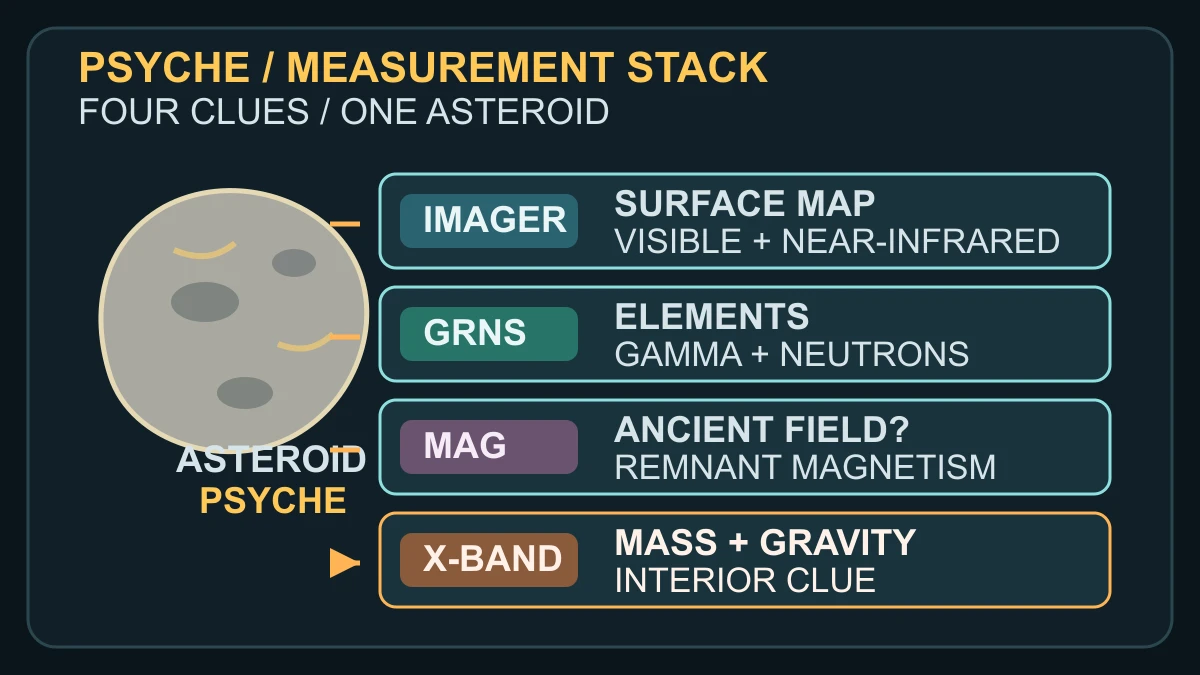
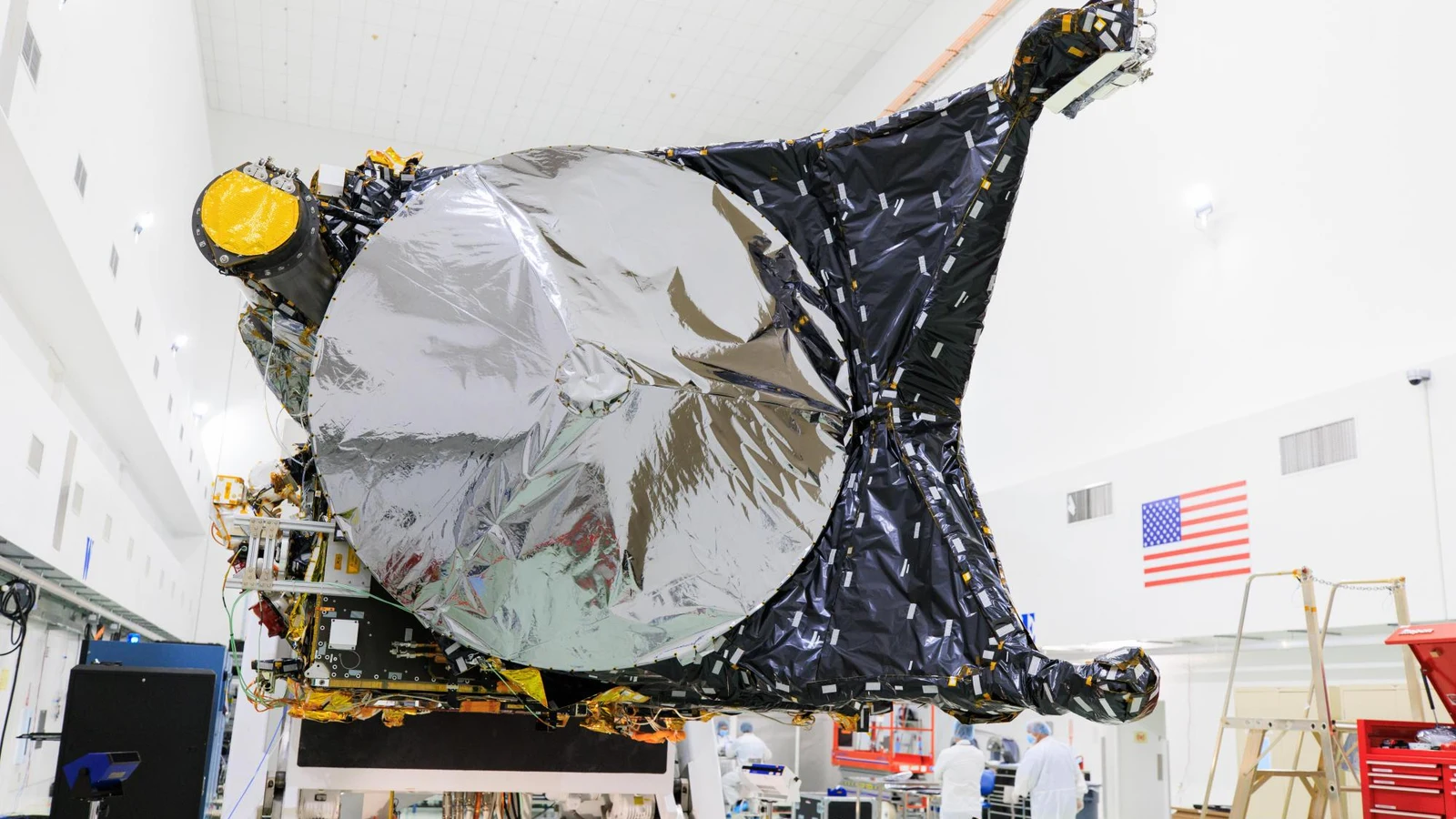
The short answer is that NASA will not decide what asteroid Psyche is made of from one dramatic photograph. The Psyche spacecraft carries several instruments that see different physical clues: cameras map the surface in visible and near-infrared light, a gamma-ray and neutron spectrometer tests elemental composition, a magnetometer looks for an ancient magnetic field, and radio tracking reveals how mass is distributed. The conclusion is meant to come from the combination.
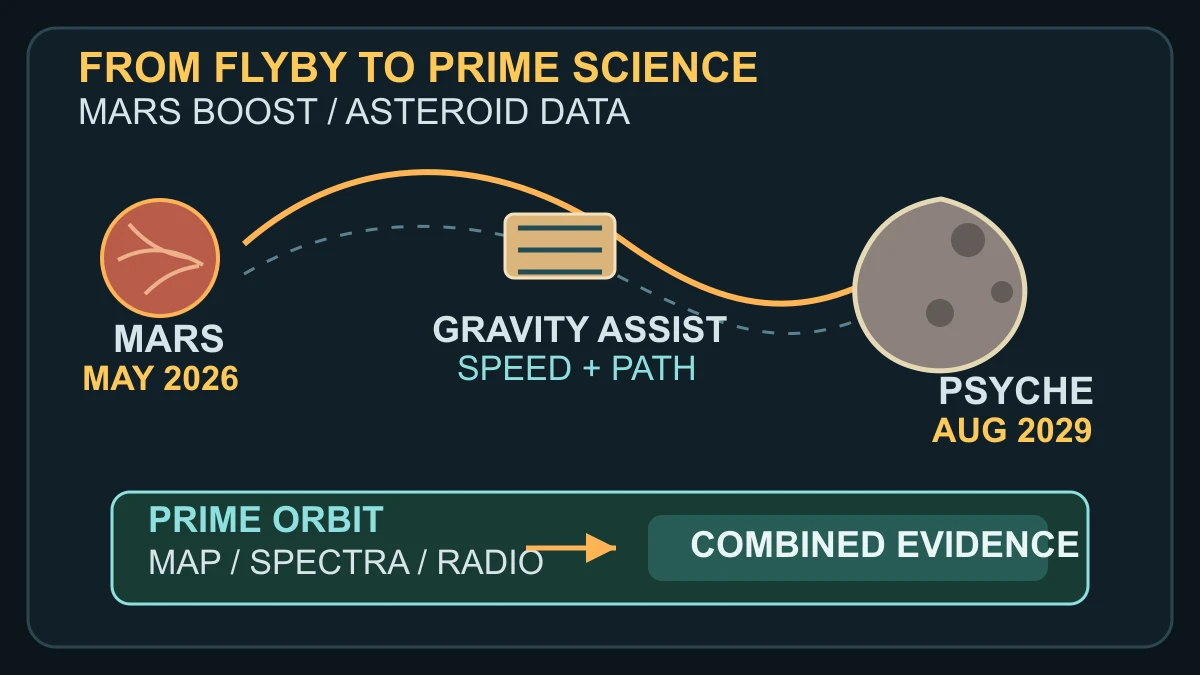
The mission is still on its way to that answer. Psyche launched on Oct. 13, 2023, completed its Mars gravity assist on May 15, 2026, and is scheduled to begin prime science at asteroid Psyche in August 2029. NASA describes roughly two years of orbiting, mapping and data collection. That timeline matters because the mission has not yet returned a composition measurement from the target asteroid; the Mars flyby is a navigation and instrument milestone, not the main result.
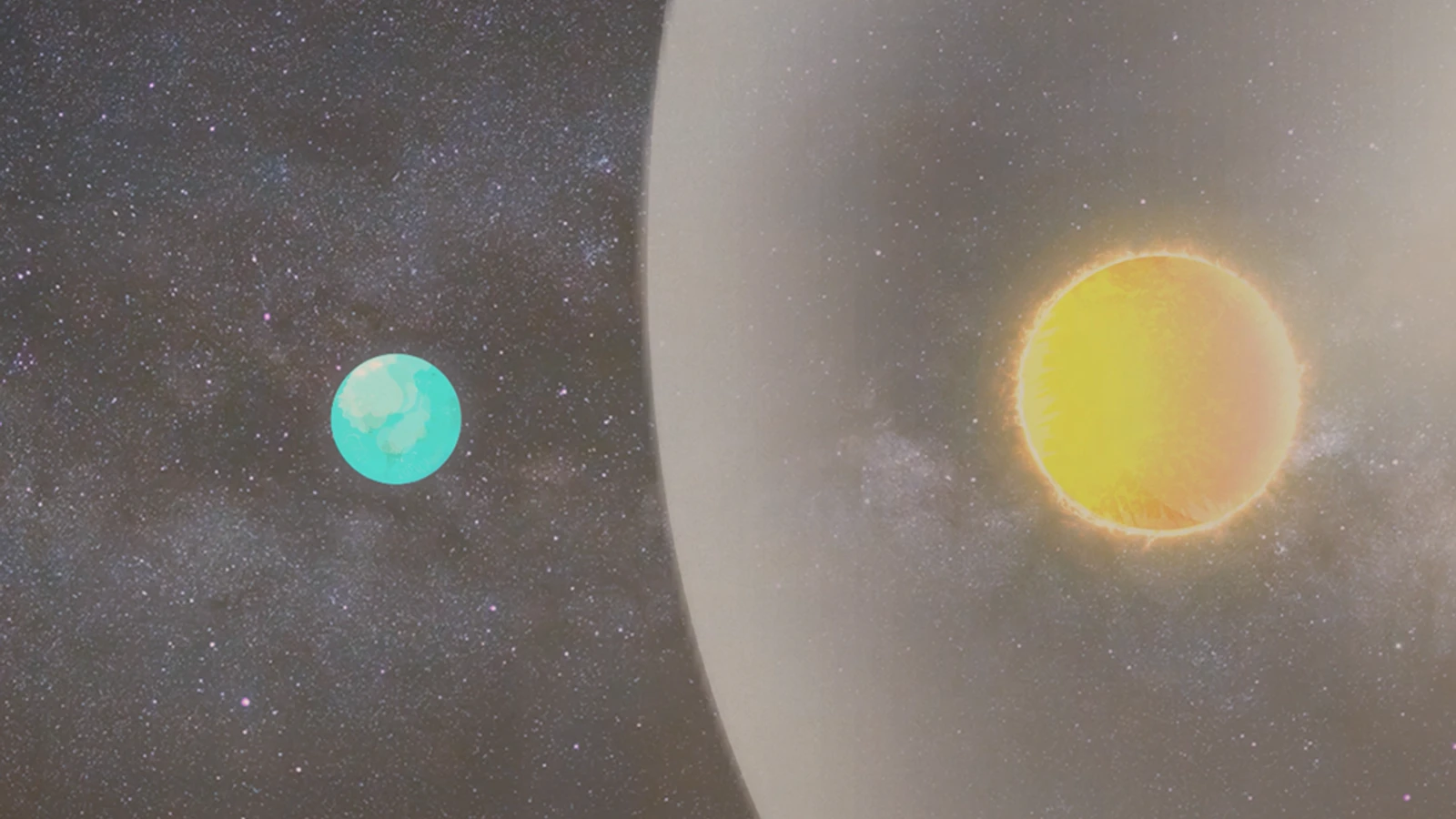
The target is unusual enough to make the question tempting, but unusual is not the same as proven metal. NASA and JPL describe Psyche as an asteroid thought to contain substantial metal and discuss the possibility that it could be part of an early planetesimal's exposed core. Those are interpretations to test. The spacecraft's job is to turn them into constrained measurements of surface materials, magnetic history, mass, gravity and structure.
How each instrument sees a different clue
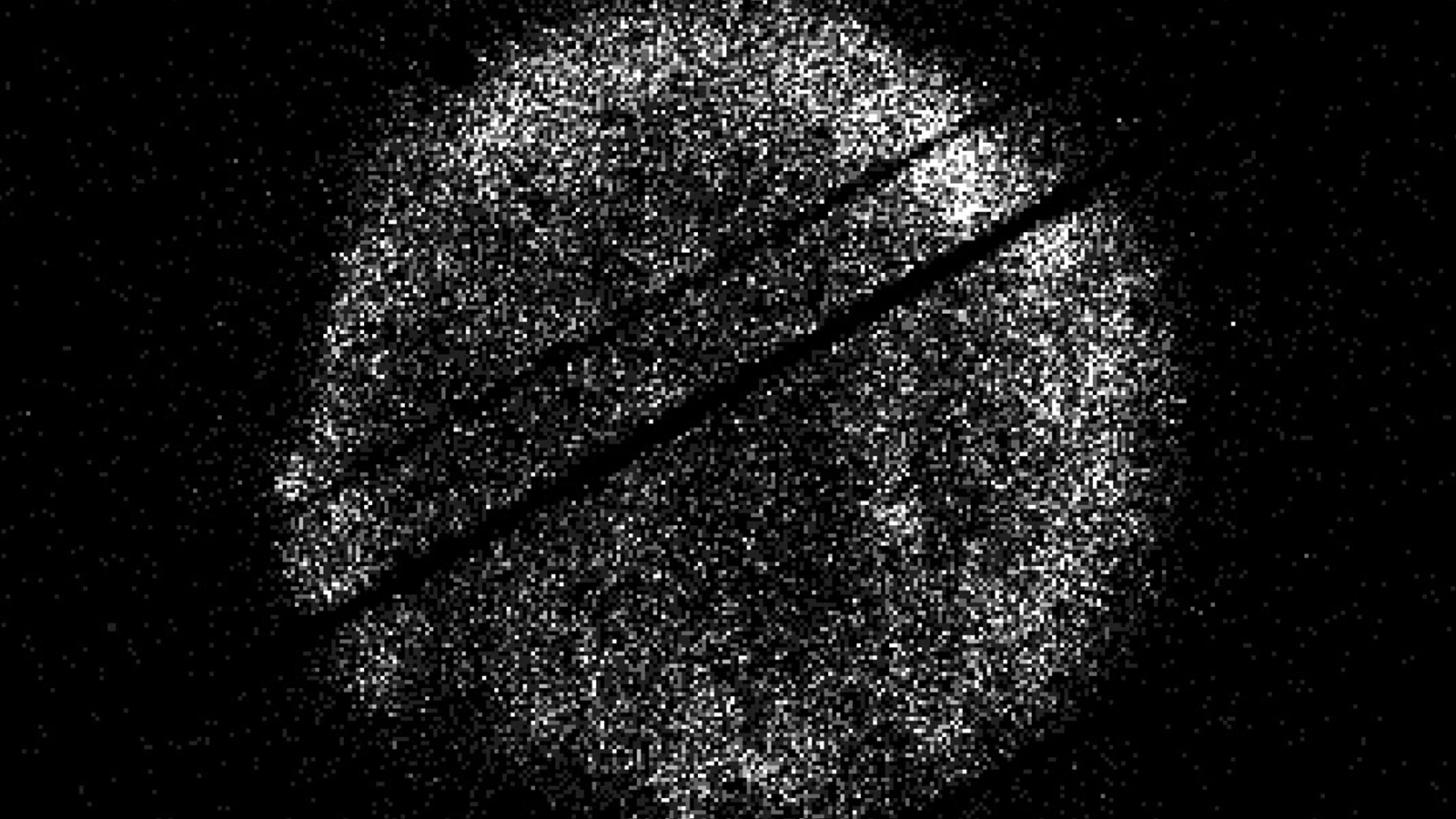
The multispectral imager begins with the most intuitive evidence: pictures. Psyche carries a pair of cameras with filters and telescopic lenses that can record the asteroid in visible and near-infrared wavelengths. Repeated views from orbit can map boundaries, bright and dark materials, textures and colour differences across the surface. Those patterns help identify where composition may vary, but an image is a surface response to light, not a direct assay of the whole asteroid.
The Gamma-Ray and Neutron Spectrometer asks a different question. Cosmic rays and other high-energy particles strike the surface, and the resulting interactions produce neutrons and gamma rays whose energies vary with the elements present. By measuring those signals and comparing them with known elemental signatures, the instrument can estimate the surface elemental composition. It supplies chemistry-related evidence that a camera alone cannot, while still sampling the material the spacecraft can observe rather than providing a complete cross-section of the interior.
The magnetometer is looking for history rather than a colour pattern. If Psyche retains a remanent, or ancient, magnetic field, that would be strong evidence relevant to a core-origin story because a cooling metallic body can preserve a record of an earlier dynamo. A non-detection would not by itself identify the asteroid's material. It would instead narrow which histories remain plausible when considered with the other measurements.
The gravity experiment uses the spacecraft's radio link and the tiny changes in its motion to estimate Psyche's mass, rotation and gravity field. Those quantities can reveal how density is distributed and can provide clues about the interior. The important word is clues: radio tracking does not open the asteroid. Combined with maps, elemental signals and a possible magnetic field, it can test whether the simplest core-like picture fits the body or whether a more complicated structure is needed.
Why a metal-rich asteroid is still a hypothesis
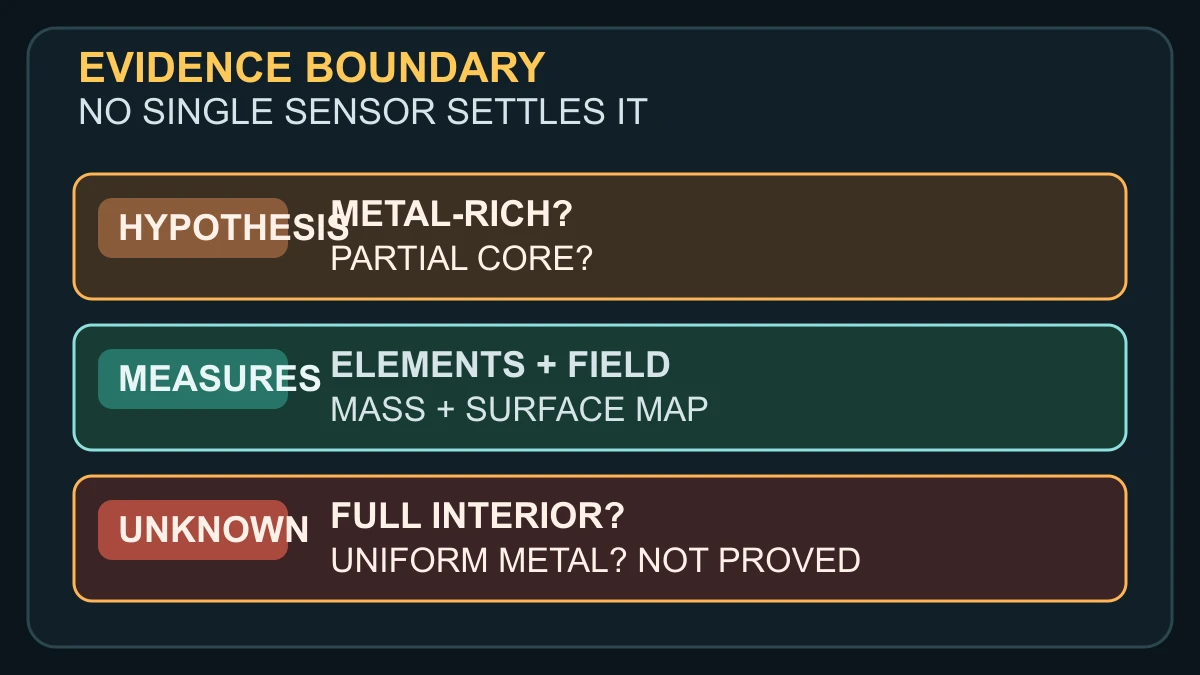
Before the spacecraft arrives, the metal-rich description rests on observations and models rather than a sample or a drilled cross-section. A high-metal interpretation is one possible explanation for Psyche's radar and spectral behaviour, and a remnant core from a differentiated planetesimal is one possible history. Other mixtures, surface coatings, impact products or interior arrangements could produce some of the same clues. The mission exists partly to distinguish those possibilities.
The May 2026 Mars encounter belongs on a separate line in that evidence chain. NASA used the flyby as a gravity assist and an opportunity to test or calibrate spacecraft systems and instruments while passing another planet. Any Mars image or instrument check from that encounter is not a measurement of asteroid Psyche's elemental composition, magnetic history or interior. The diagram is therefore a timeline boundary, not a shortcut to the answer.
The first target-specific composition results should come only after Psyche's prime mission begins in August 2029 and the spacecraft spends its planned science period mapping and measuring the asteroid. Until then, the honest payoff is a method: images show where surfaces differ, gamma rays and neutrons test elements, the magnetometer tests for a remanent field, and gravity links motion to mass distribution. Whether those clues describe a metal-rich core, a mixed body or something less expected remains to be established.
Sources and further reading
- NASA Science — Psyche mission overview ↗
- NASA Science — Psyche mission overview and timeline ↗
- NASA Science — Psyche spacecraft ↗
- NASA Science — Psyche science ↗
- NASA Science — Psyche completes Mars gravity assist ↗
- NASA/JPL — Psyche mission aces Mars flyby ↗
- NASA Science Image Detail — PIA25953 Psyche spacecraft ↗
- NASA/JPL — Science of Psyche ↗
- NASA JPL — Psyche mission science press kit ↗
- NASA — Guidelines for using NASA Images and Media ↗
This article was written for Curiosity Desk. We do not copy other publishers or invent quotes. If a material error is found, we correct it openly.
Read the full standards →One answer should lead to a better question
Bring your curiosity to the group
Curious Minds is our public Facebook community for surprising science, strange history, Australian wildlife and everyday questions. No copied posts, no personal-friend invitations and no link dumping.
- Three self-contained discussion prompts each week
- Sourced answers and honest uncertainty
- Respectful conversation without spam