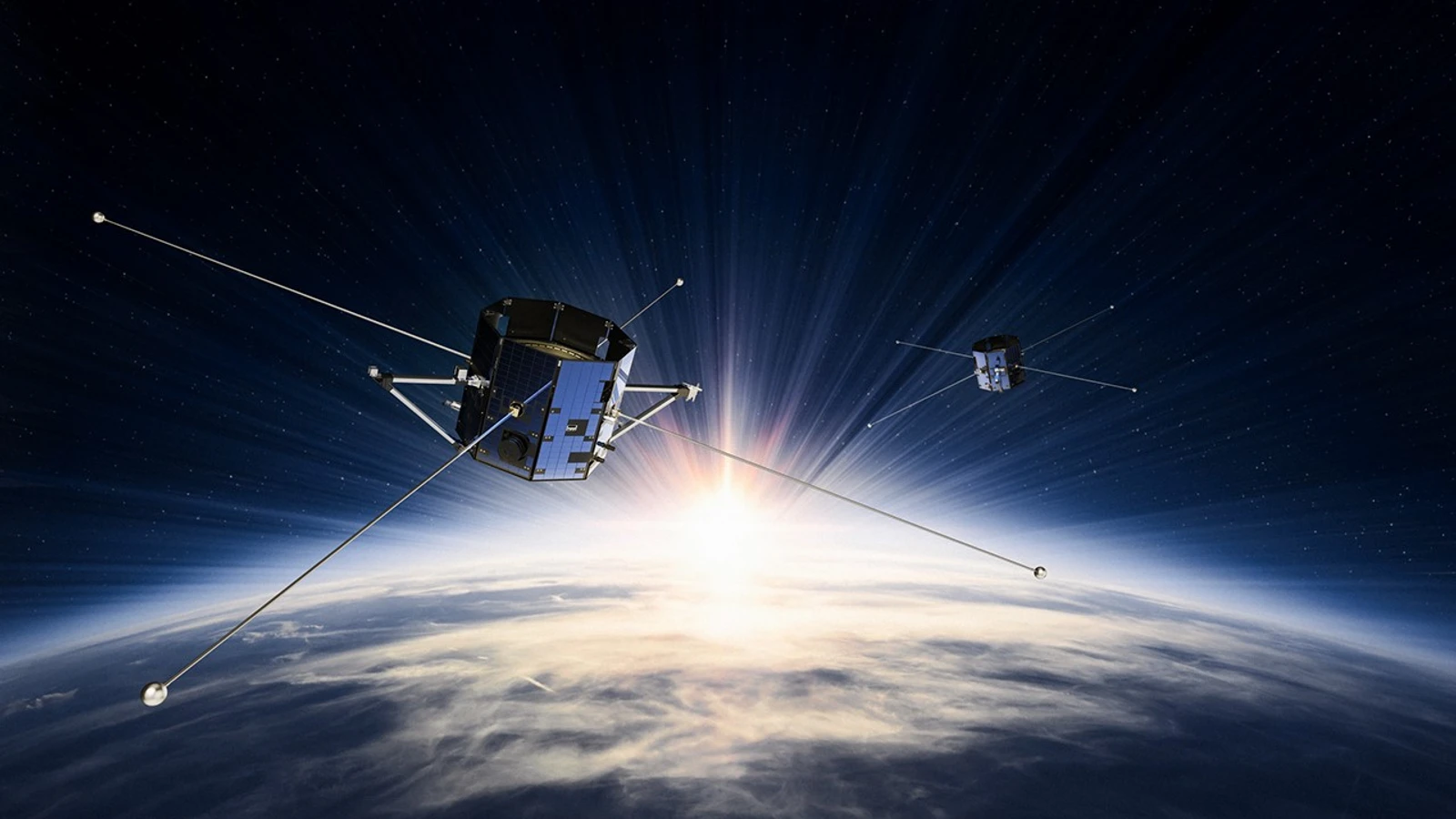
TRACERS compared twin spacecraft in Earth's polar cusp. Its first results suggest spatial variability in magnetic reconnection exceeded temporal change; more encounters are needed.
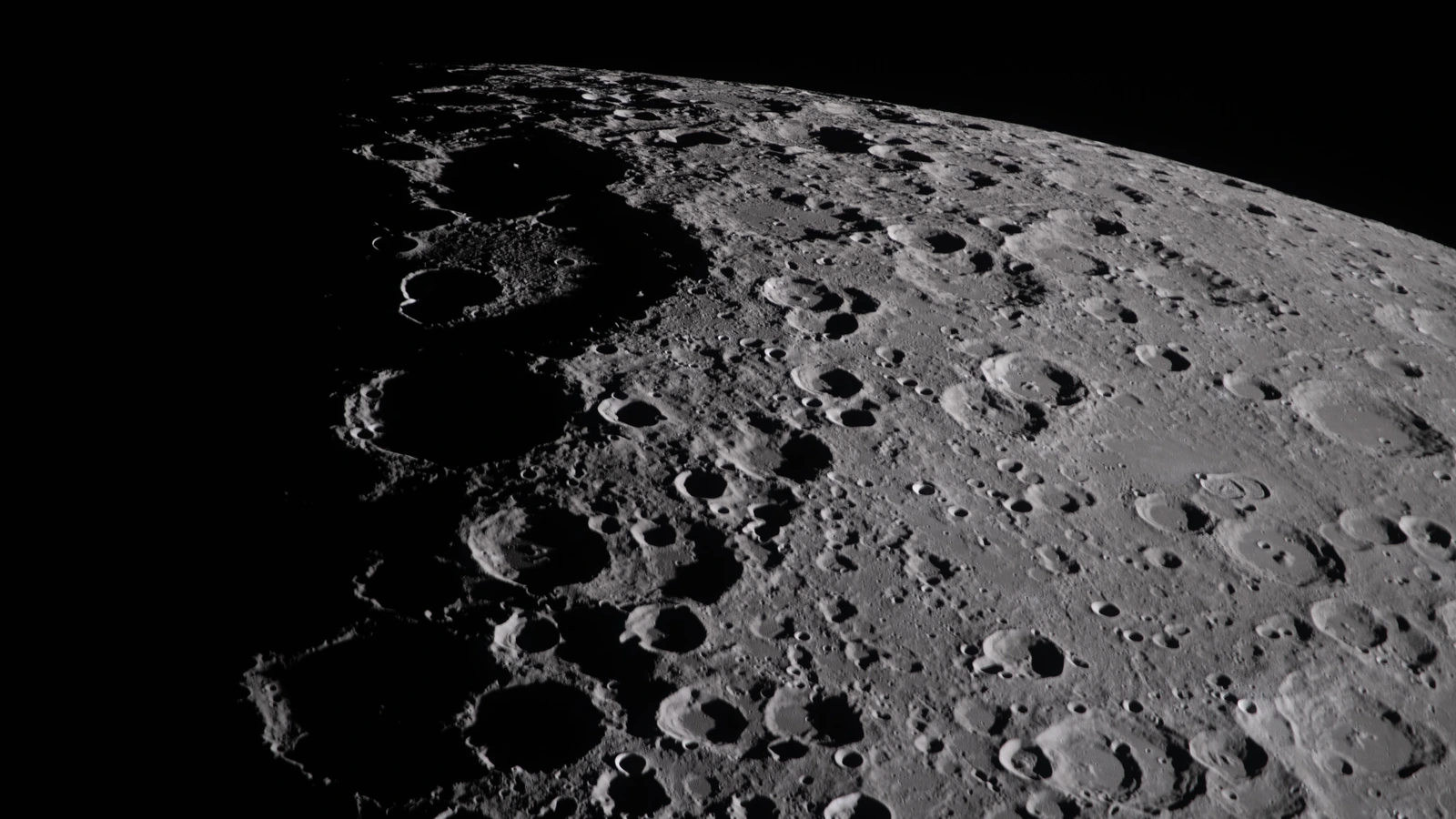
NASA selected three future lunar payloads to track hazards, test a possible lava tube and measure hidden ice. Here is what each could establish—and what remains unproven.
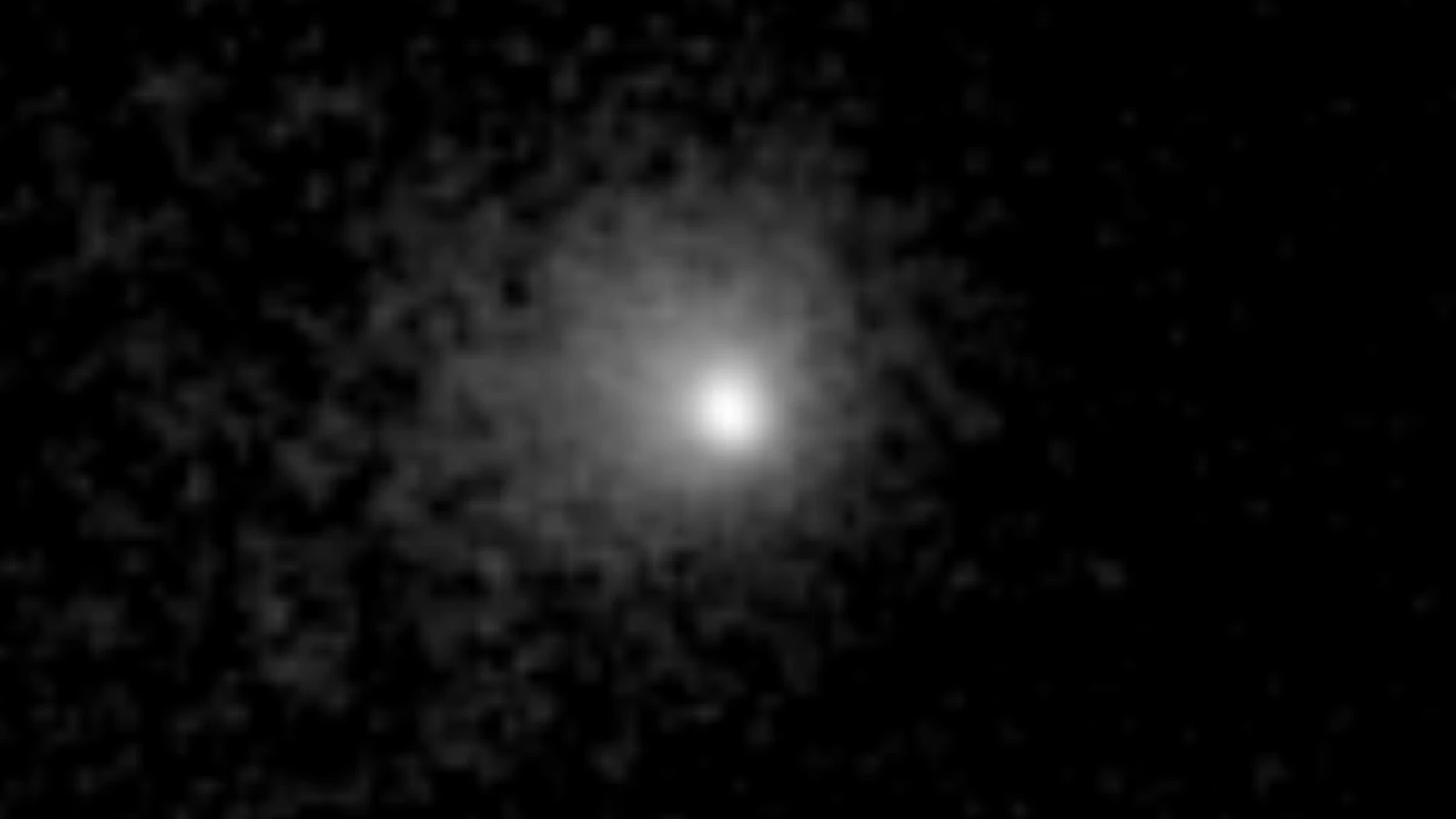
ESA's Euclid found comet C/2026 S1 by combining moving-object software with repeated VIS images, ground follow-up and an official Minor Planet Center record.
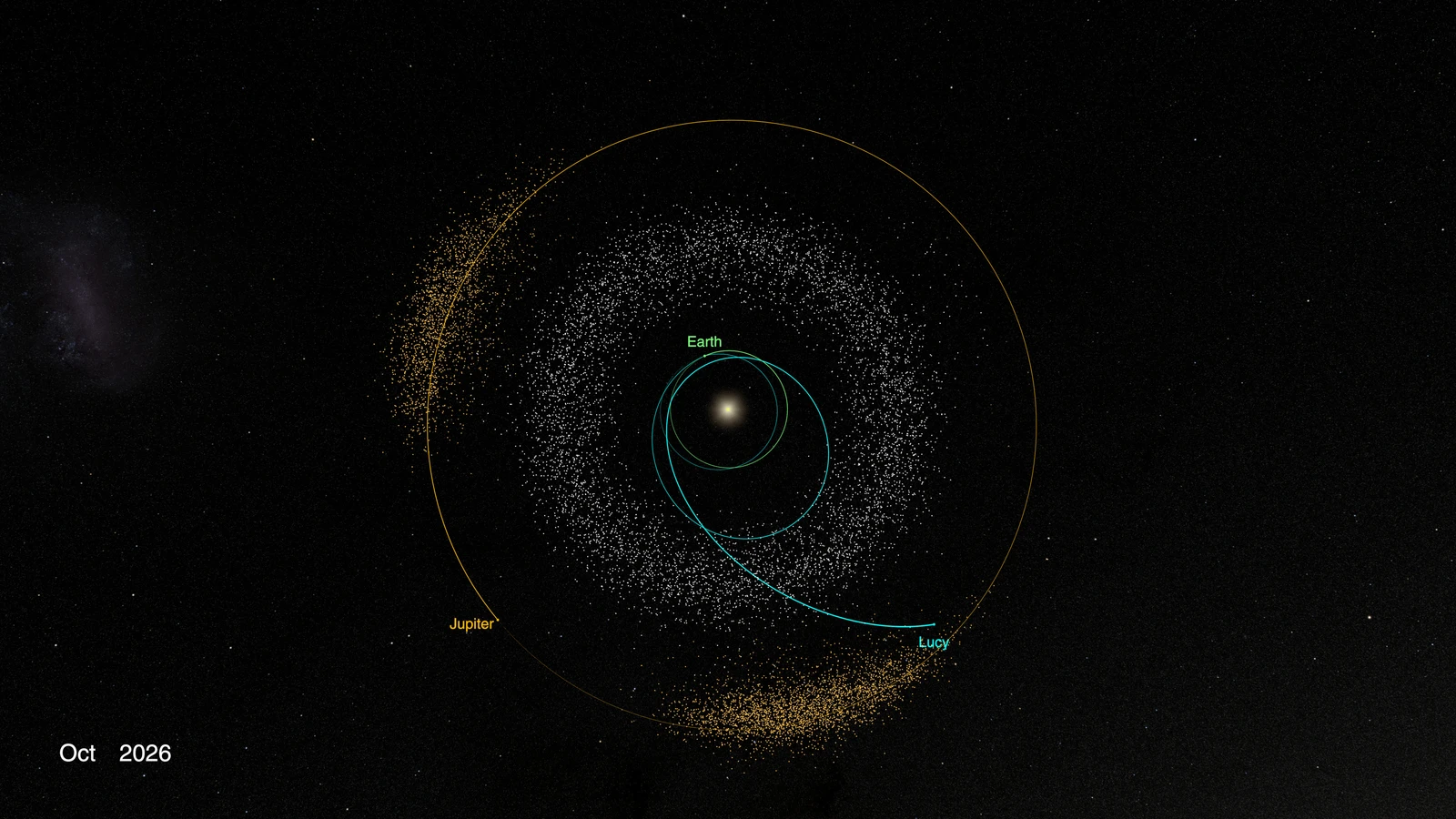
NASA's Lucy will fly past Trojan asteroids from 2027 onward, measuring their surfaces, compositions and masses to test how the outer Solar System formed.
Radioisotope heaters, fission power and nuclear propulsion do different jobs in deep space. NASA's current programme separates development from flight evidence.
NASA's planned NEO Surveyor will use two infrared bands to find asteroids that reflect little visible light—and estimate their size without treating every detection as a hazard.
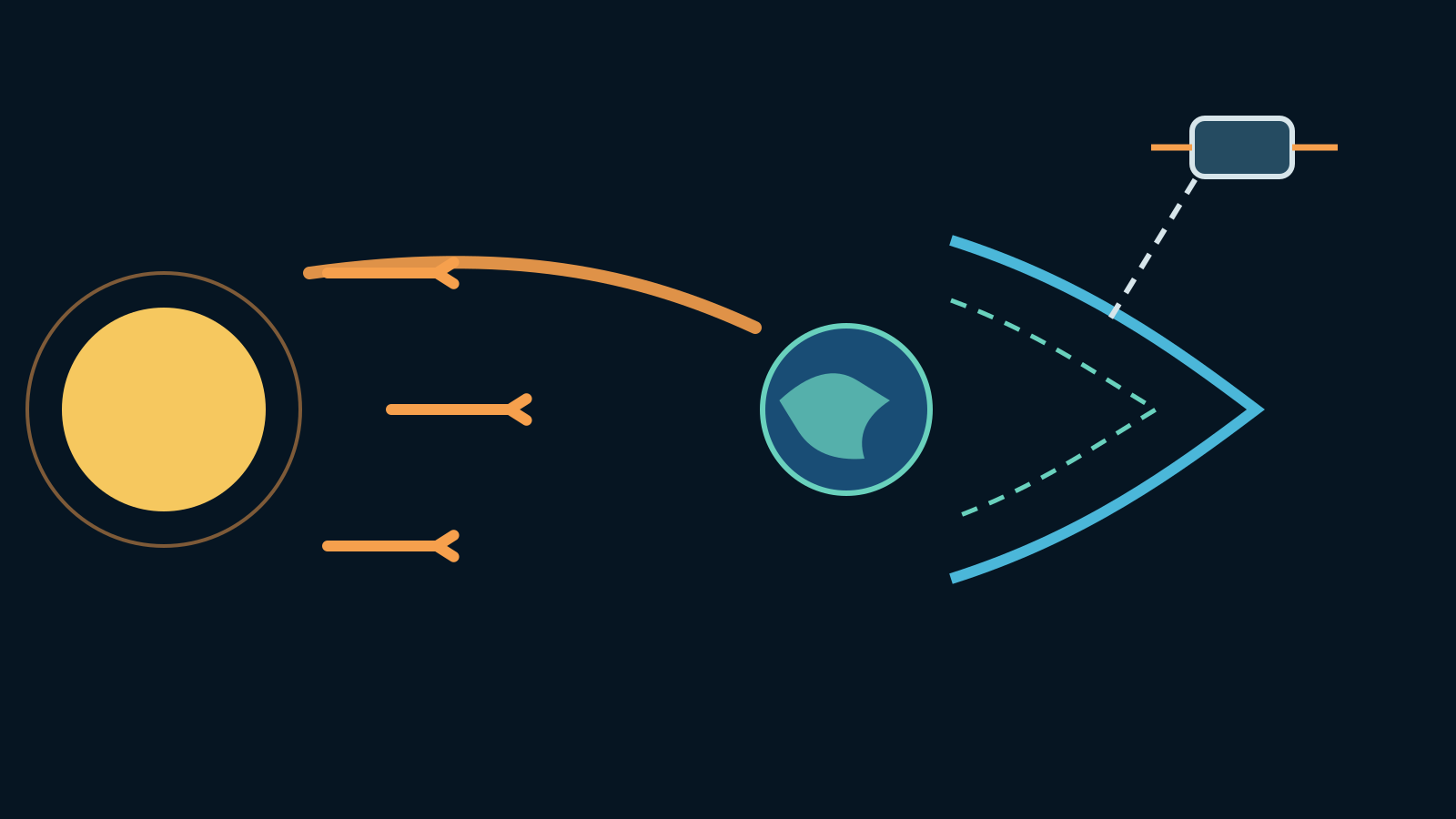
SMILE will study Earth's magnetopause with soft X-rays, ultraviolet, particle and magnetic measurements—while its first good boundary image remains unconfirmed.
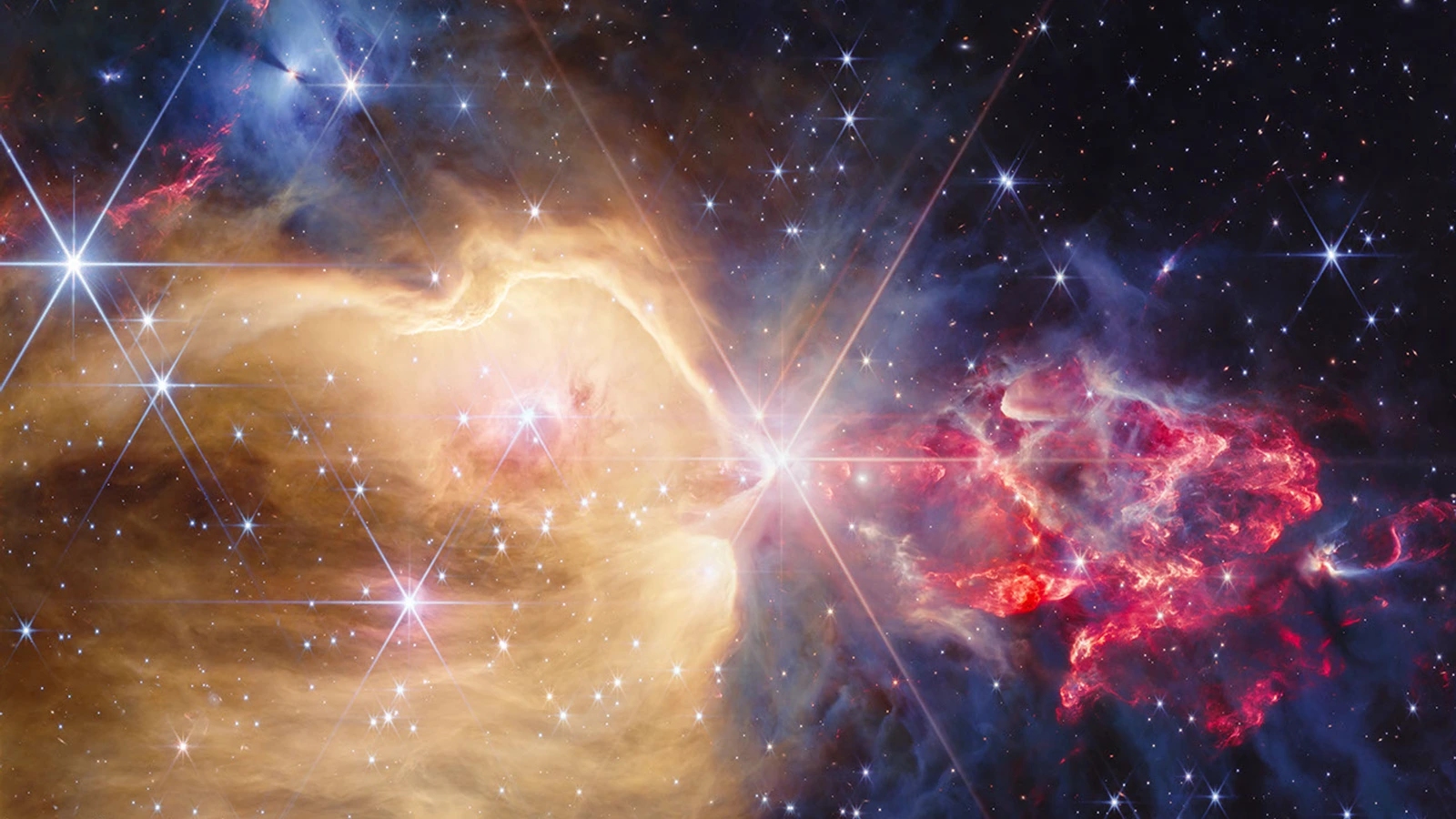
Webb's NGC 7129 image shows how outflows, shocks and starlight reshape a stellar nursery—and why one striking cavity is not a universal star-formation recipe.