World Explained · Space
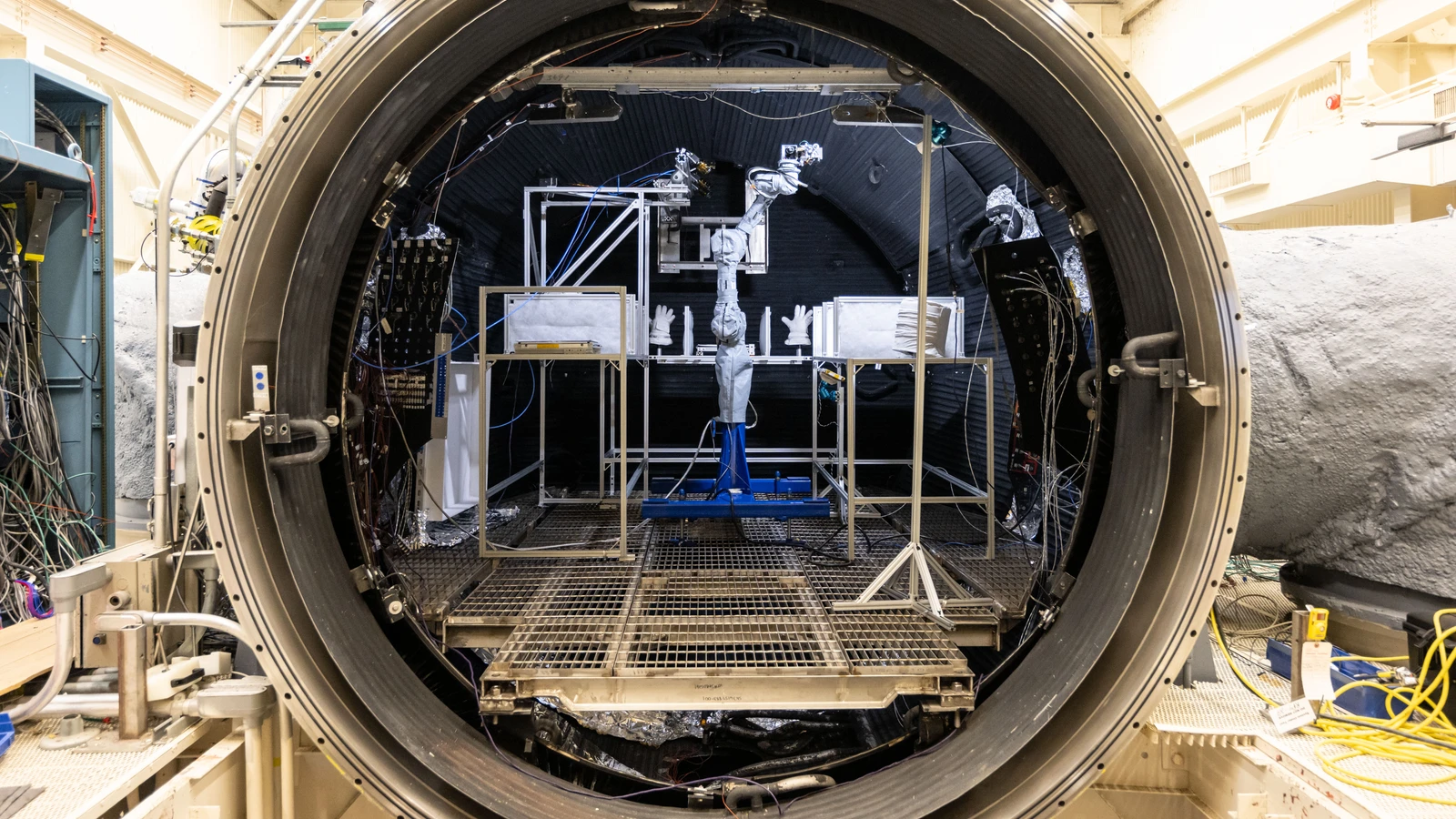
How can engineers recreate moon-dust conditions for lunar hardware?
NASA uses lunar-soil simulant, vacuum, temperature swings and controlled dust exposure to test hardware on Earth—useful evidence, but not a miniature Moon.
Curiosity Desk category
Every published story filed under Space, newest first. Each one passed the same source, image and editorial checks.
12 published storiesNewest first
World Explained · Space
NASA uses lunar-soil simulant, vacuum, temperature swings and controlled dust exposure to test hardware on Earth—useful evidence, but not a miniature Moon.
World Explained · Space
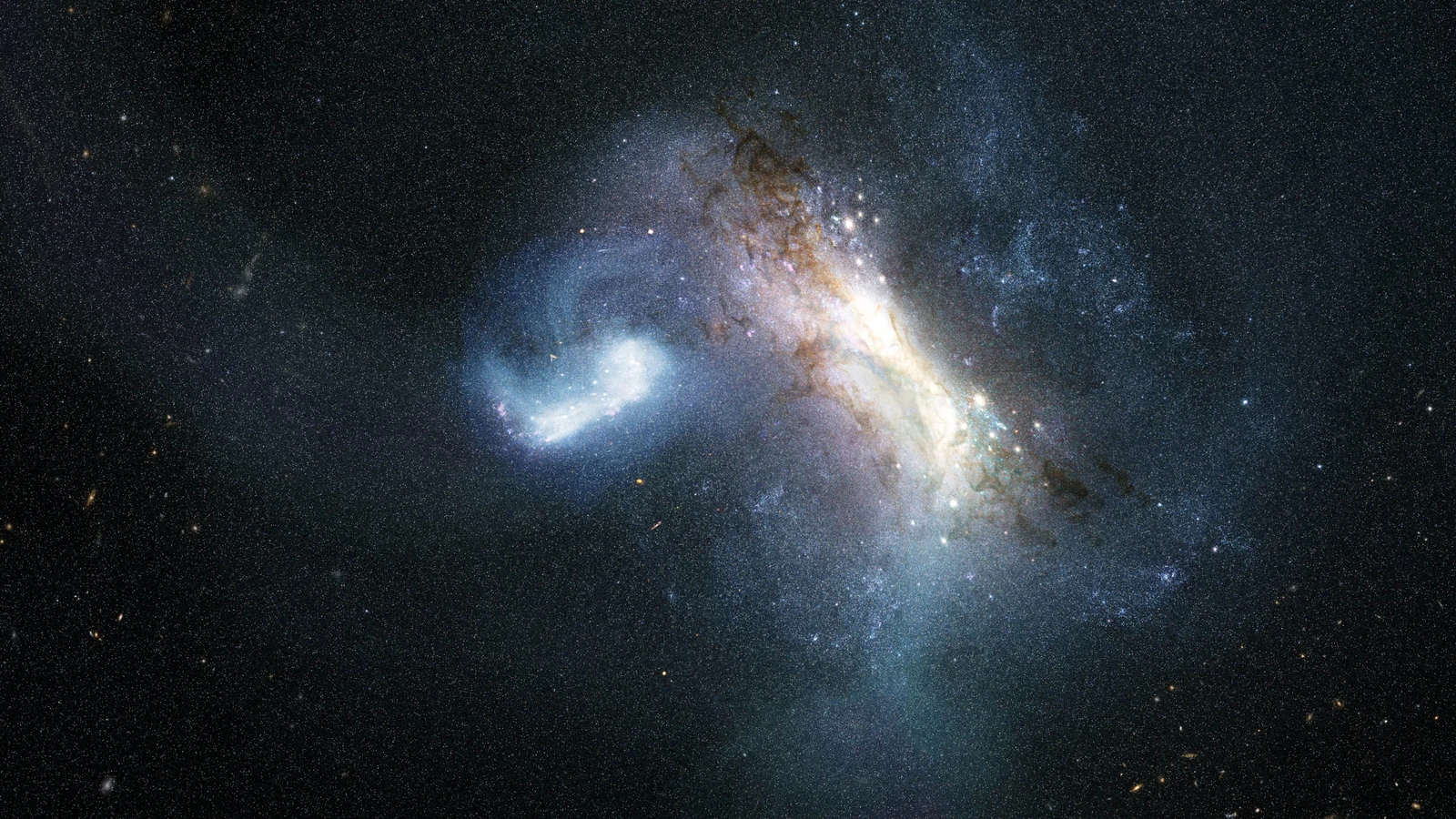
Hubble and Gaia used ancient cluster ages, chemistry and motion to reconstruct an early Milky Way merger—without photographing the collision.
World Explained · Space
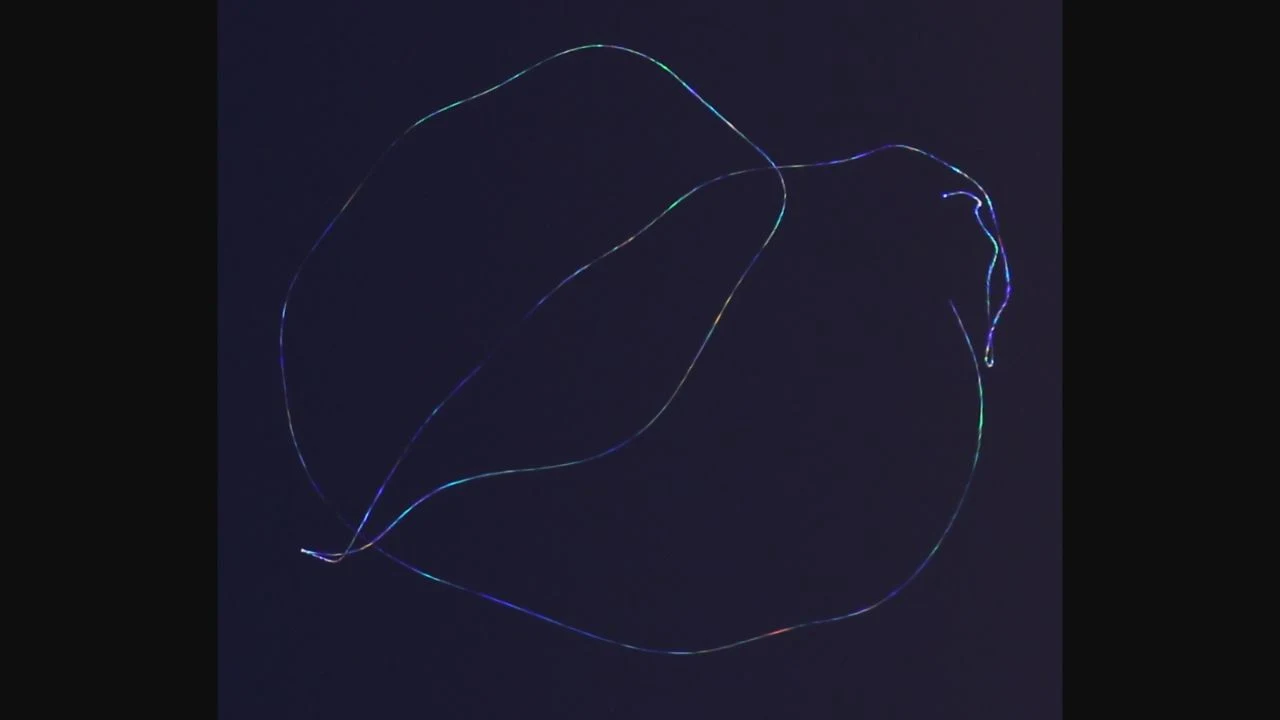
A star is normally steady while moving air makes its point of light jump, brighten and change colour. A planet usually looks calmer because its tiny disk averages much of the disturbance.
World Explained · Space
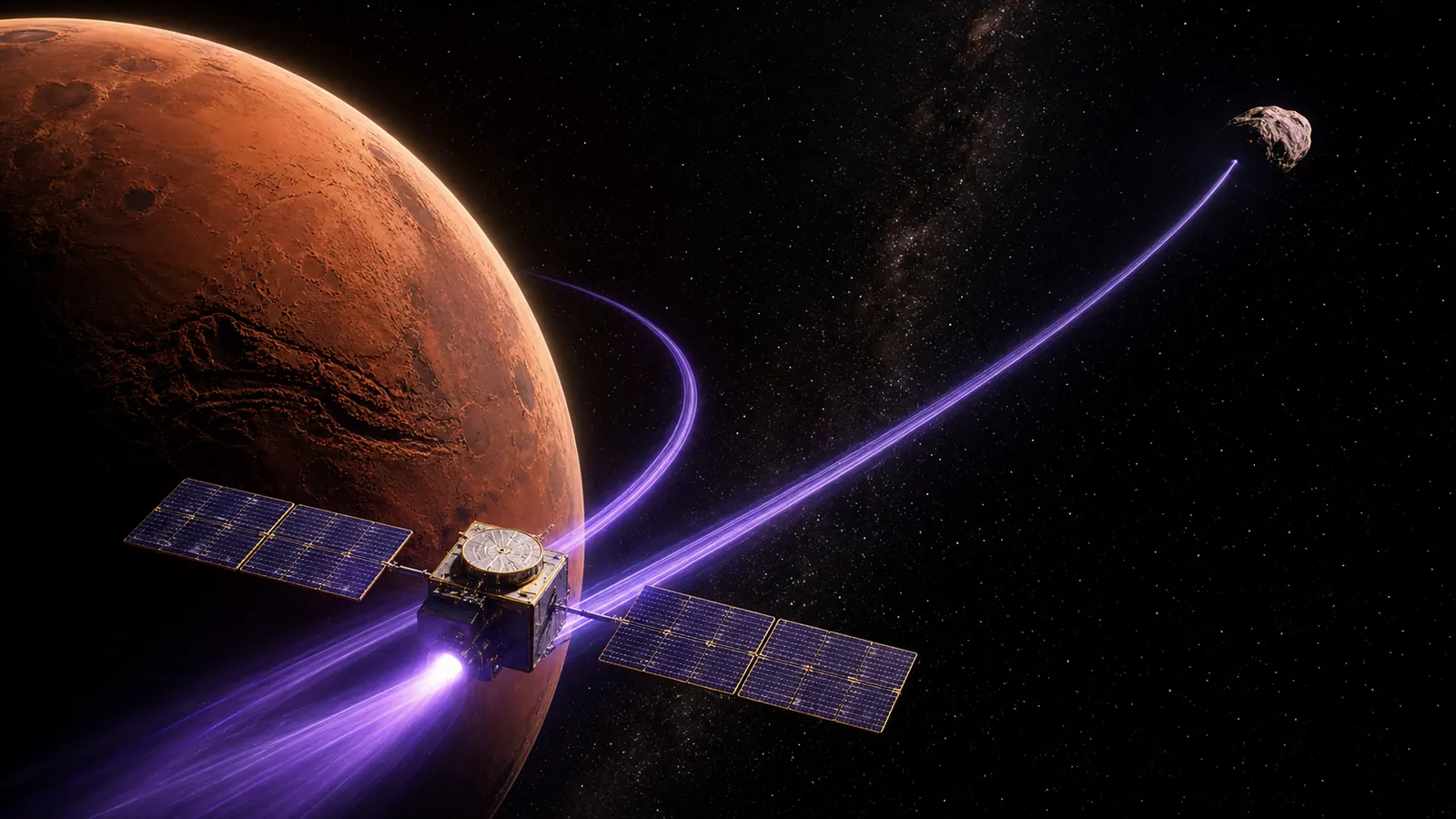
NASA's Psyche spacecraft used Mars to change speed and direction without a large propellant burn, then turned the flyby into a rehearsal for a metal-world mission.
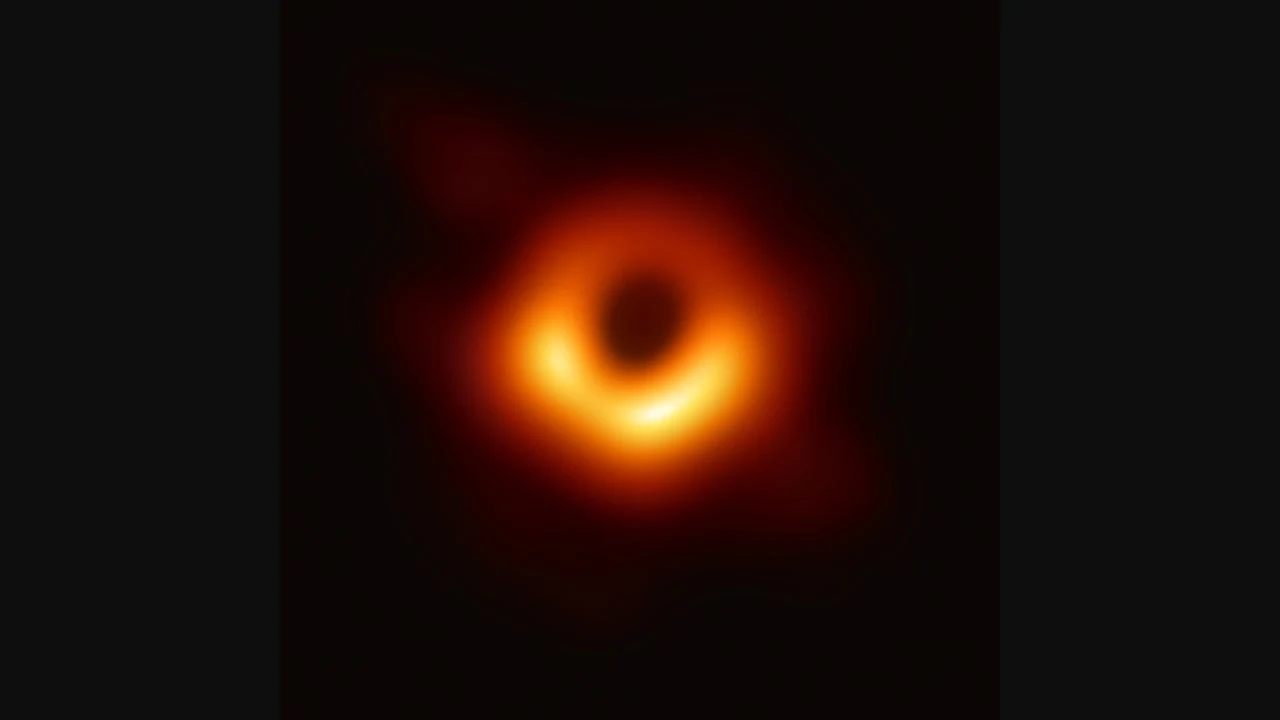
World Explained · Space
Black holes do not roam space sucking up everything nearby. Their gravity follows the same rules as any equal mass until an object ventures dangerously close.
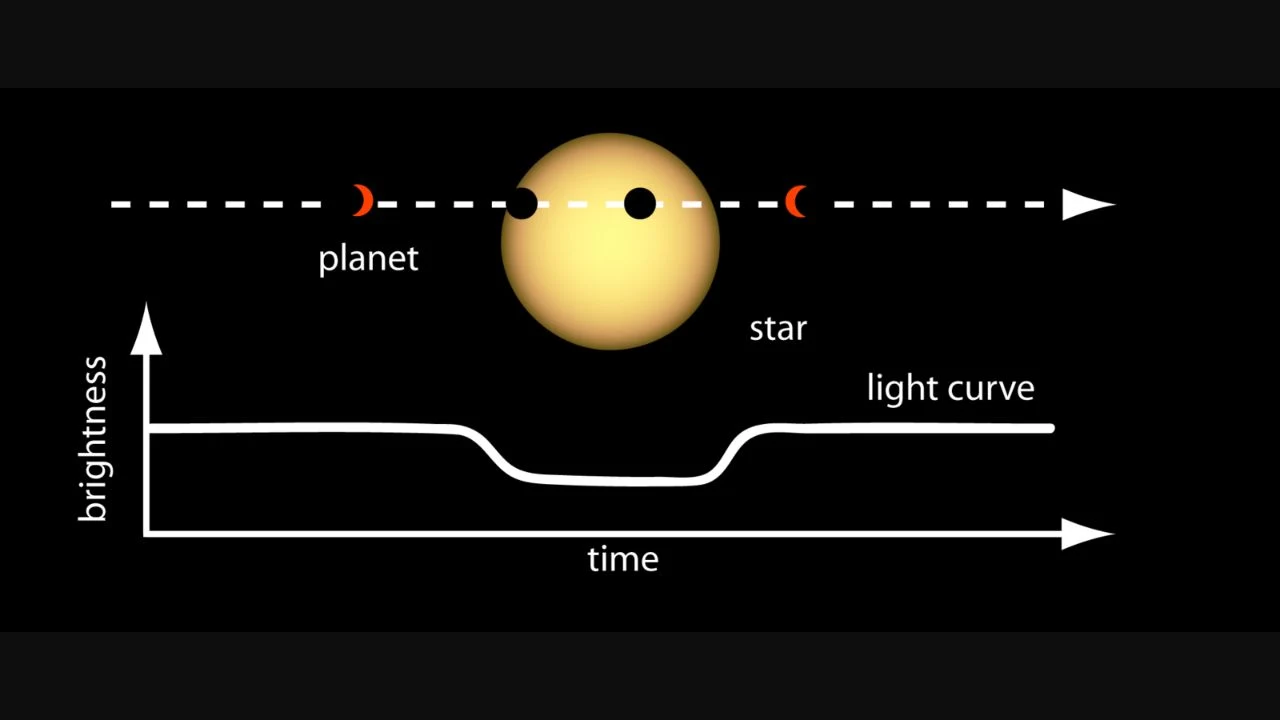
World Explained · Space
A planet can remain an unresolved point beside its star yet betray itself through a repeating dip in starlight. The dip reveals an orbit and size, but only after careful checks.
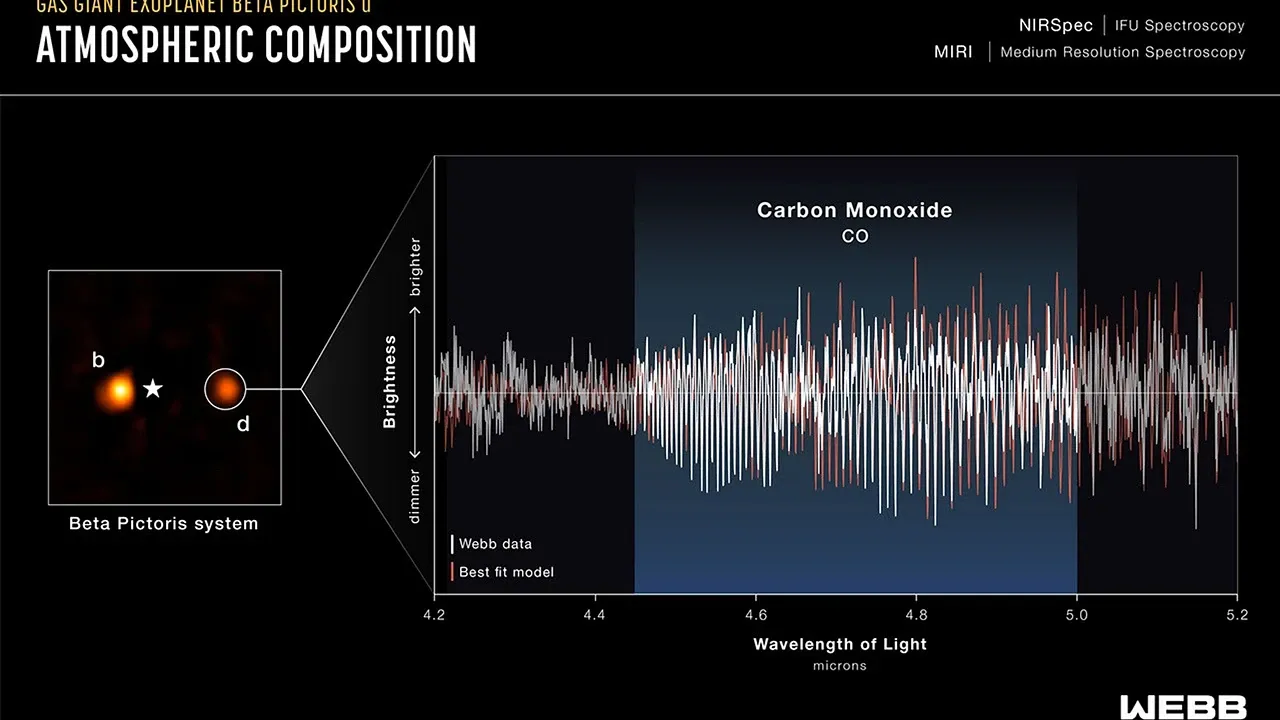
World Explained · Space
Beta Pictoris d was concealed by a bright debris disk. Webb separated it from the glare by finding molecules and motion inside a spatially resolved spectrum.
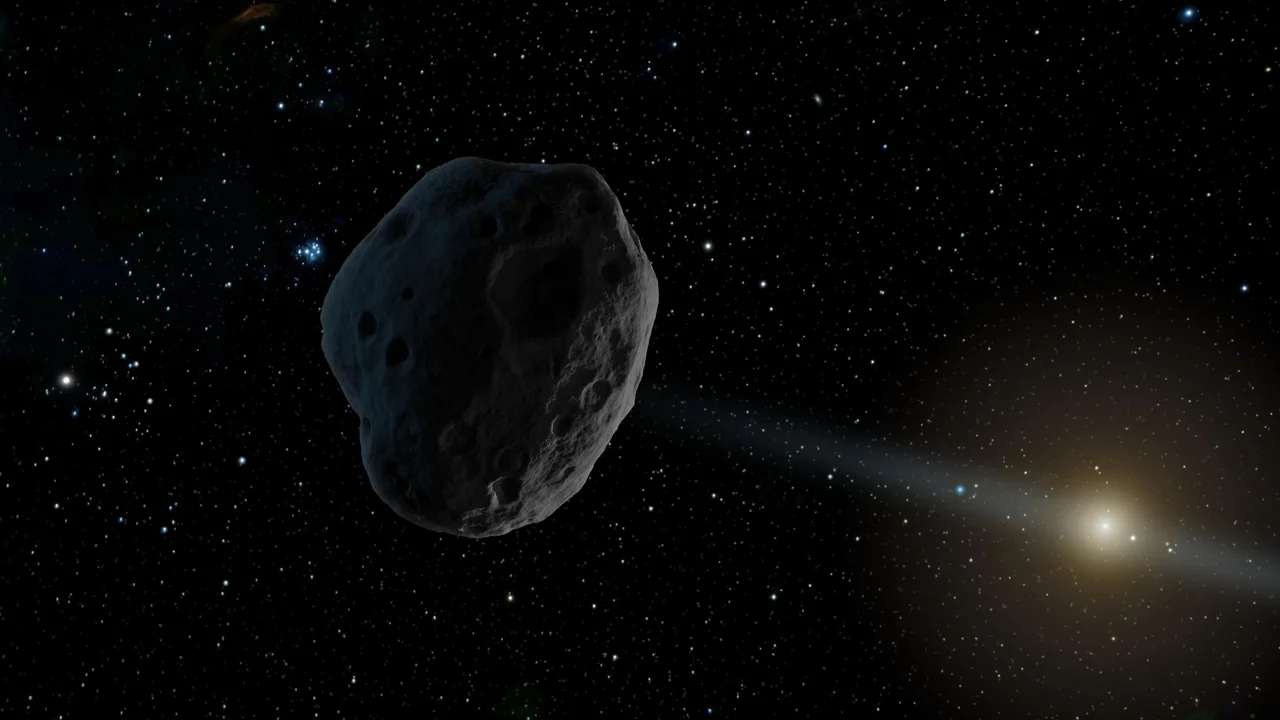
World Explained · Space
A near-Earth object failed to appear where gravity predicted. Its tiny unexplained push led astronomers to a faint tail and a new identity.
World Explained · Space
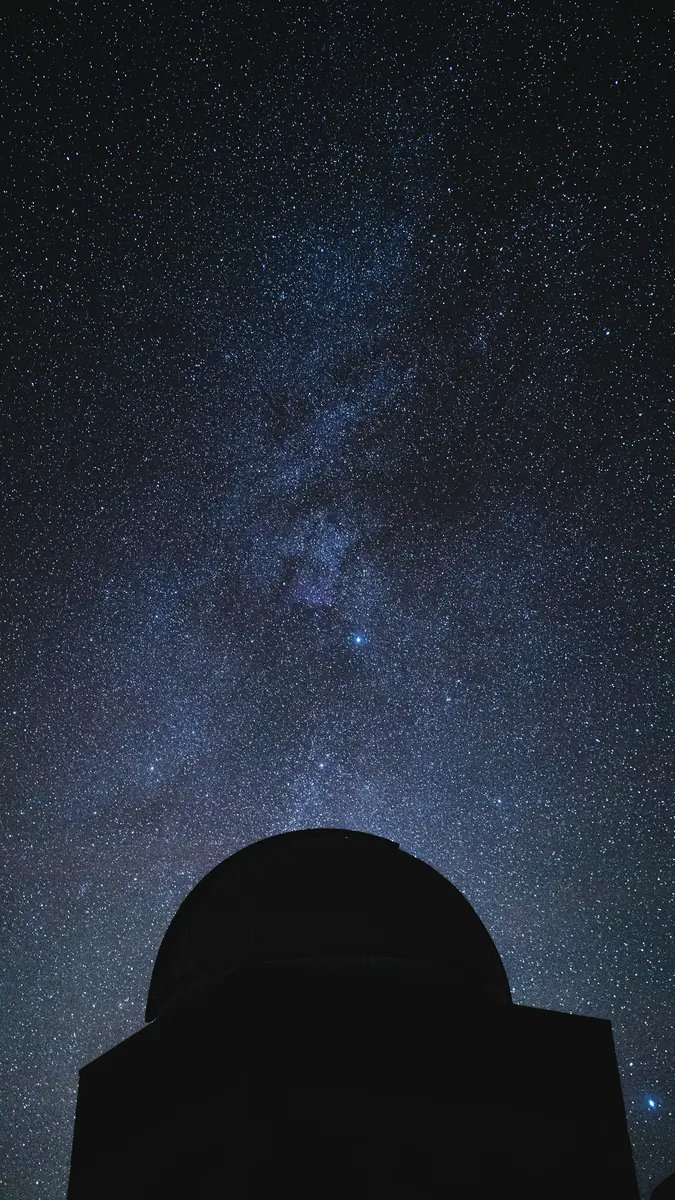
Look in any direction far enough and you meet the same ancient glow: light released when the universe first became transparent, about 380,000 years after the big bang.
World Explained · Space
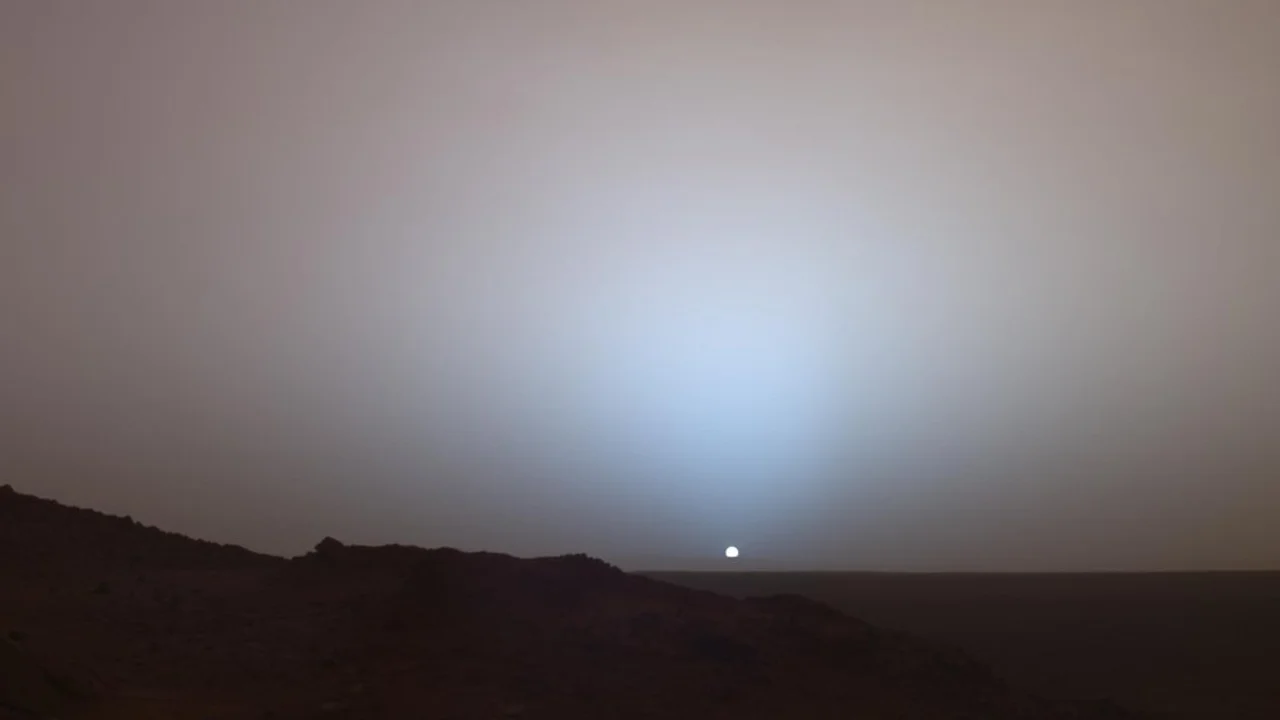
Does Mars have a blue sky? Usually not. Its dusty daytime sky looks tan to reddish, but a blue-grey halo can gather around the Sun at sunrise and sunset.
World Explained · Space
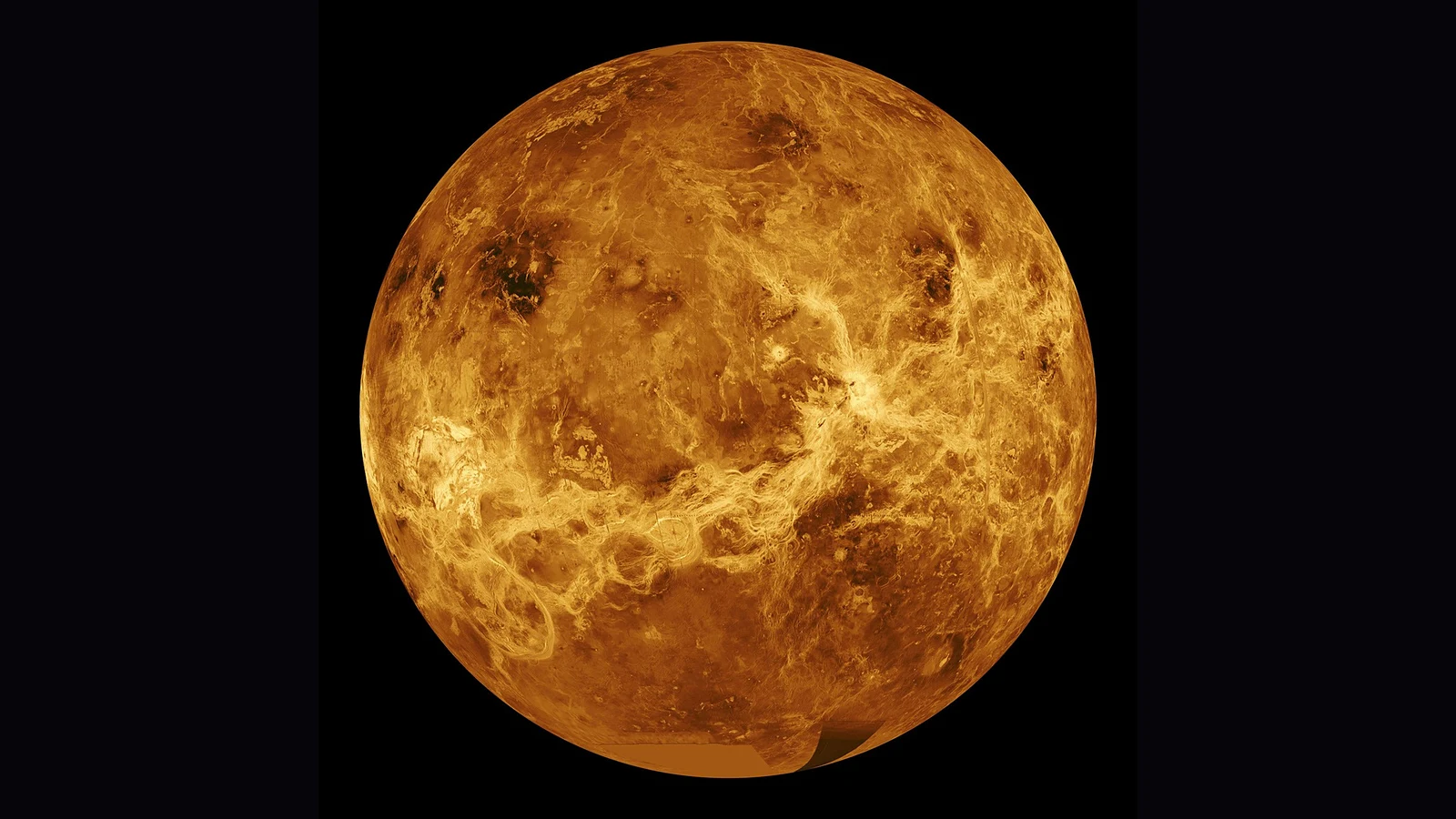
Venus needs about 243 Earth days to turn once but only about 225 to orbit the Sun. Then its backwards spin creates an even stranger sunrise clock.
World Explained · Space
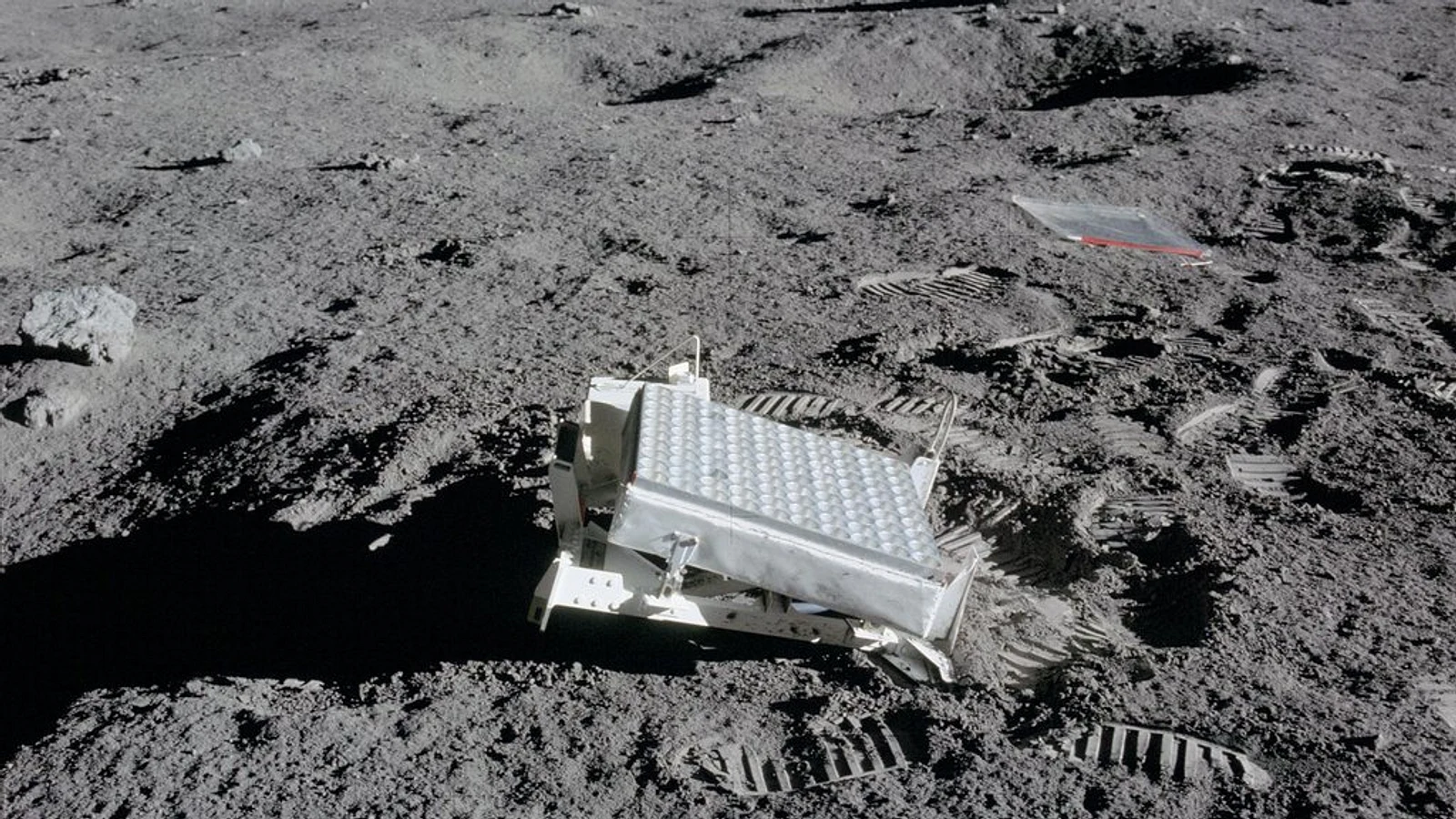
Mirrors left on the Moon reveal a change too small to see but large enough to reshape two worlds: the lunar orbit grows by about 3.8 centimetres each year.