Australian Curiosity · Wildlife
Why echidnas lay eggs but still count as mammals
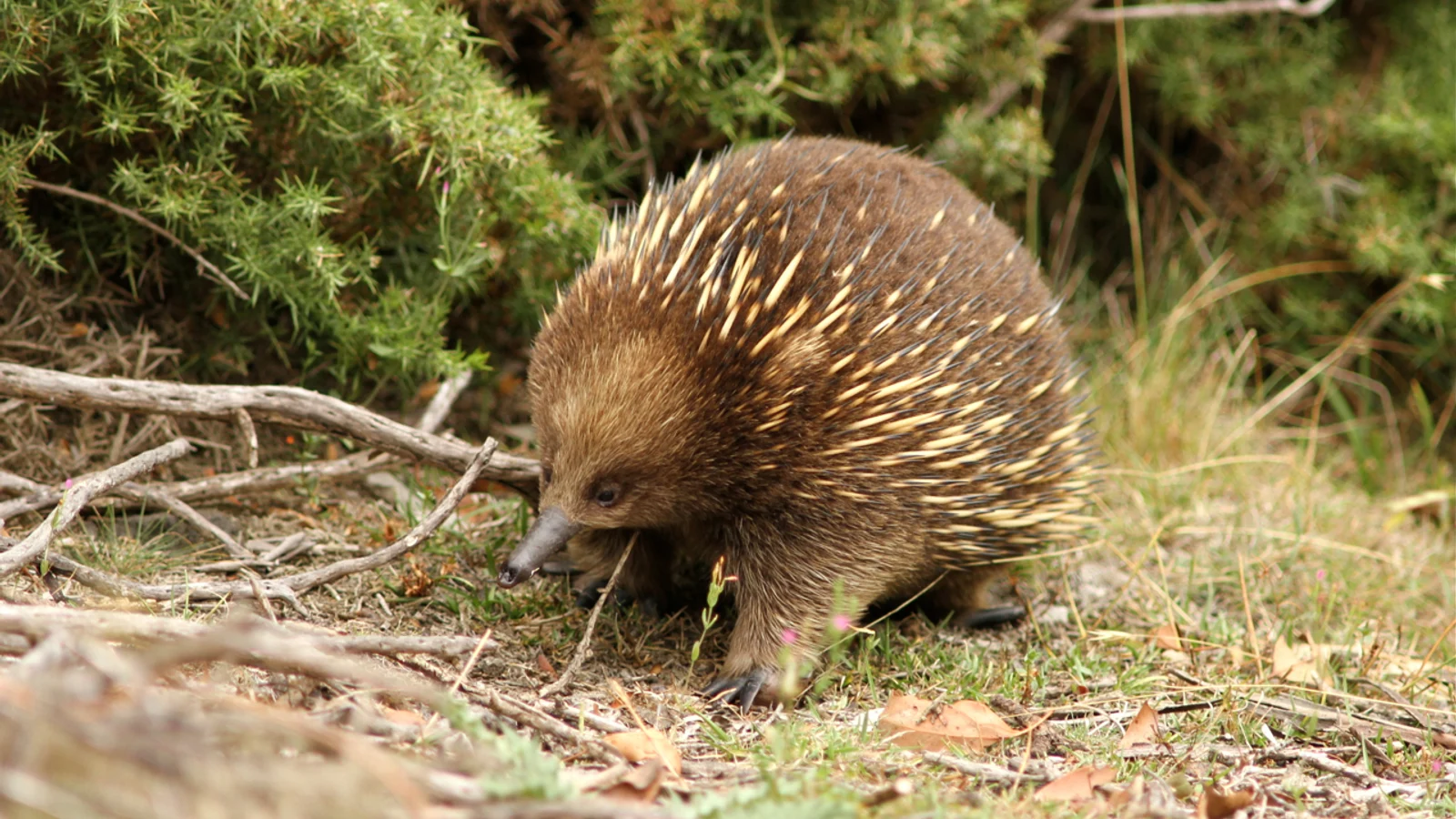
An echidna hatches from a soft egg, then depends on months of milk released through pores in its mother's skin. Both parts belong to one mammalian story.
Curiosity Desk category
Every published story filed under Wildlife, newest first. Each one passed the same source, image and editorial checks.
13 published storiesNewest first
Australian Curiosity · Wildlife
An echidna hatches from a soft egg, then depends on months of milk released through pores in its mother's skin. Both parts belong to one mammalian story.
World Explained · Wildlife
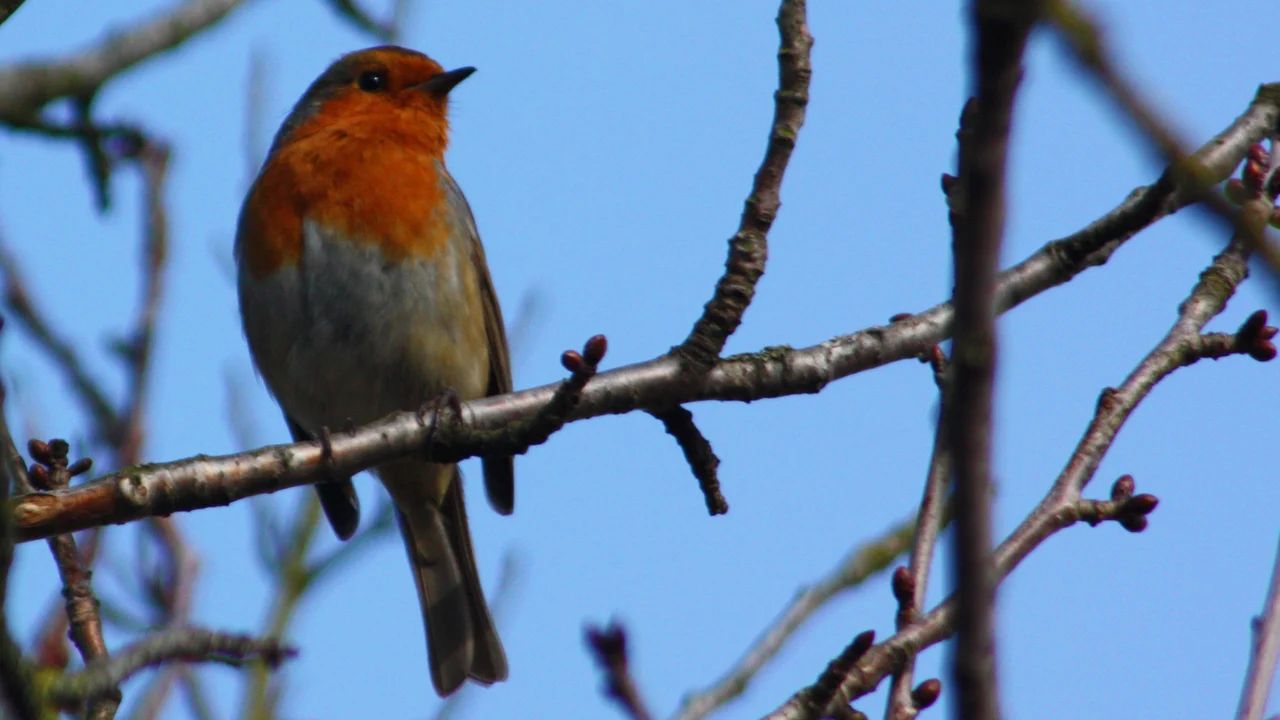
A migrating bird can consult the Sun, stars, magnetic field, smell and landmarks, then change which cue it trusts as the journey changes.
World Explained · Wildlife
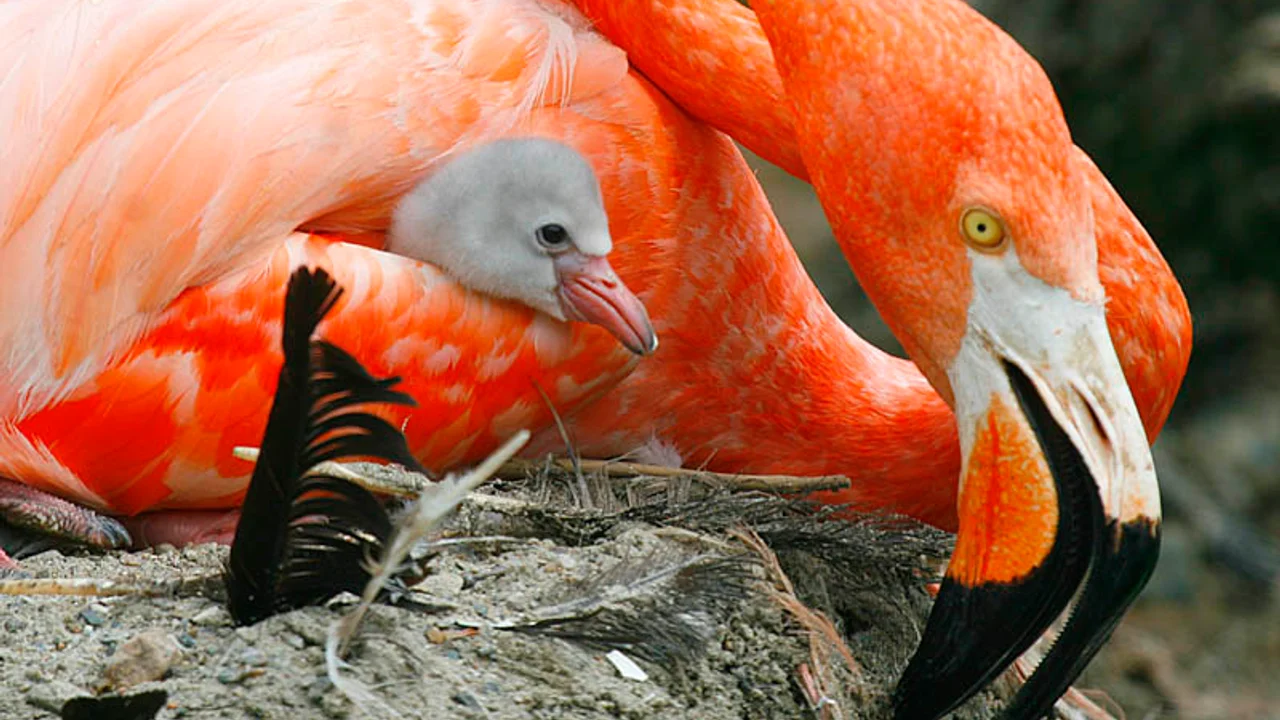
A four-day-old chick can sit beside a scarlet parent without sharing its colour because pink plumage must be built over time.
Australian Curiosity · Wildlife
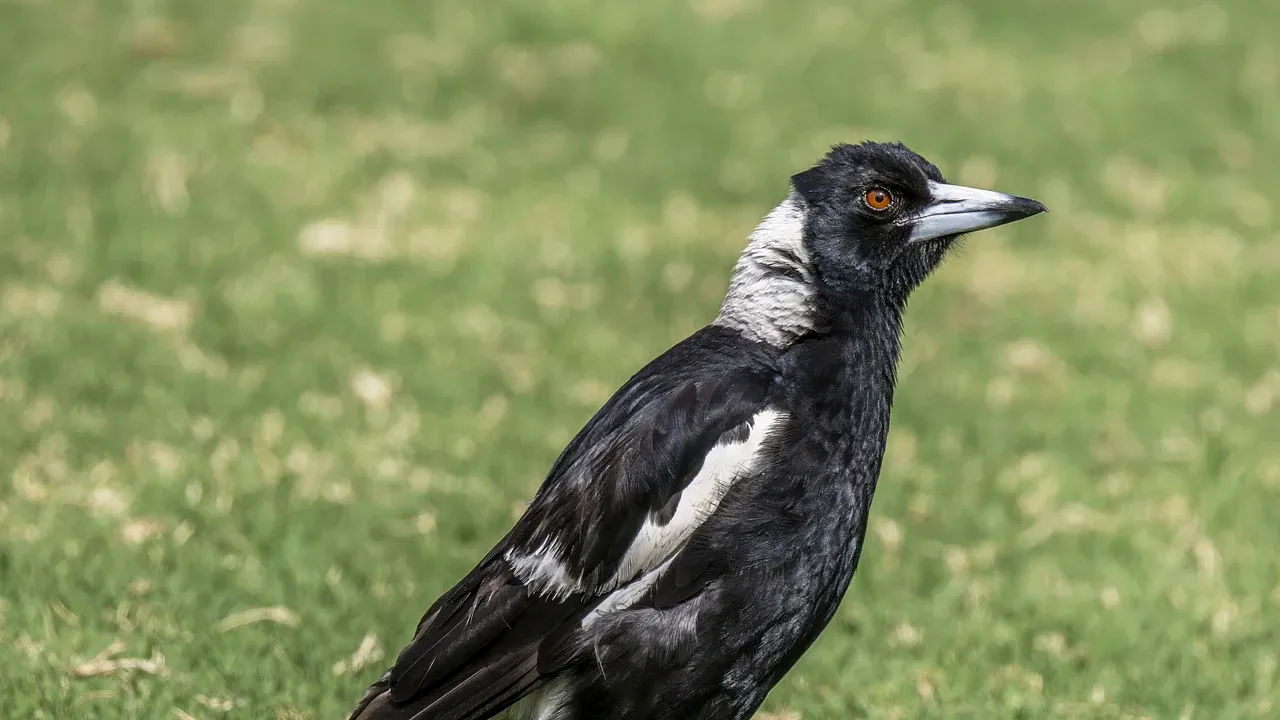
A playback experiment found that wild Western Australian magpies became more vigilant when an unfamiliar person spoke. It is direct evidence for voice recognition, not proof of every viral claim about faces.
Australian Curiosity · Wildlife
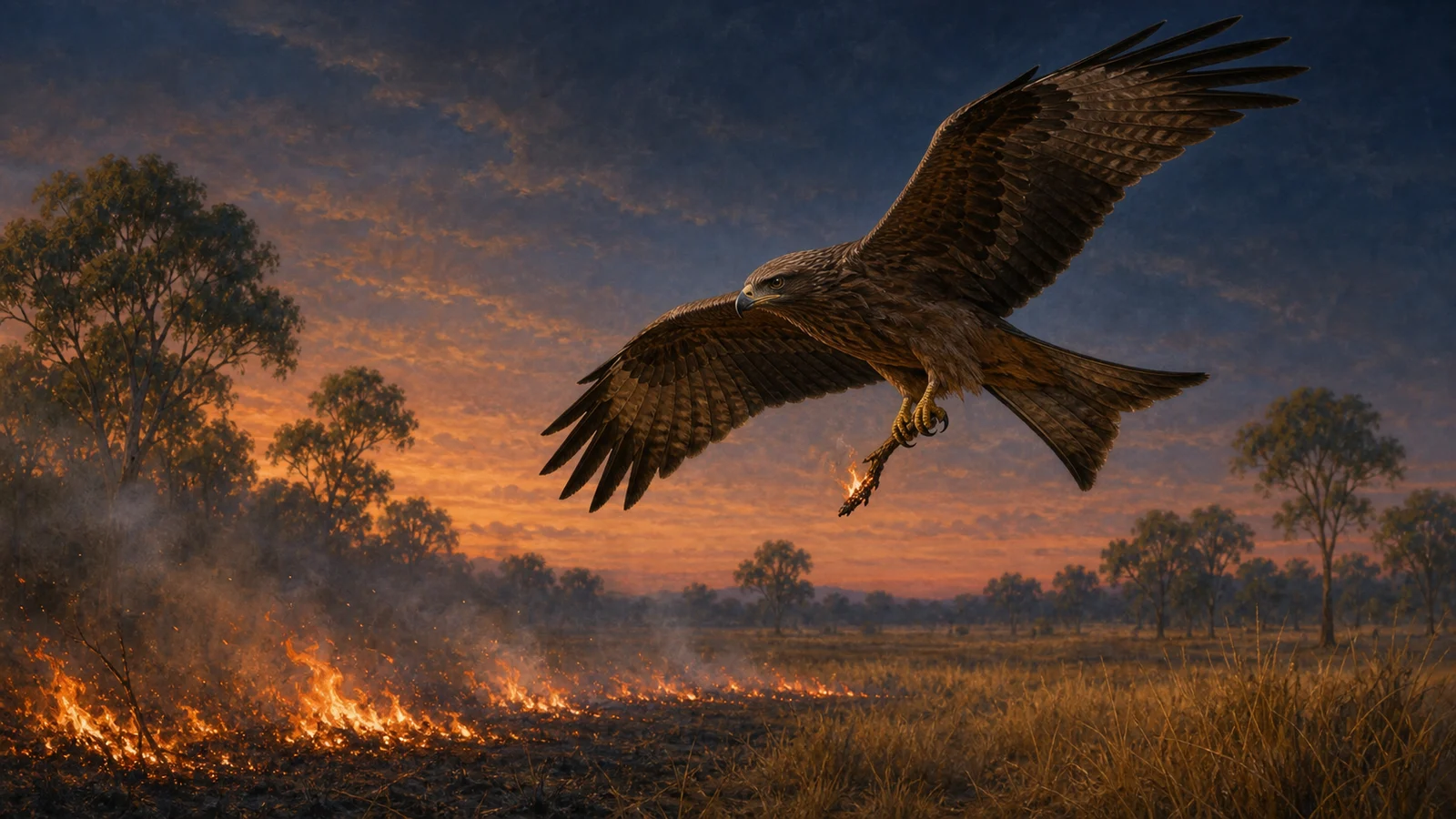
The viral claim is more complicated than a dramatic clip. Here is what eyewitnesses, Indigenous knowledge and a peer-reviewed study actually establish.
Australian Curiosity · Wildlife
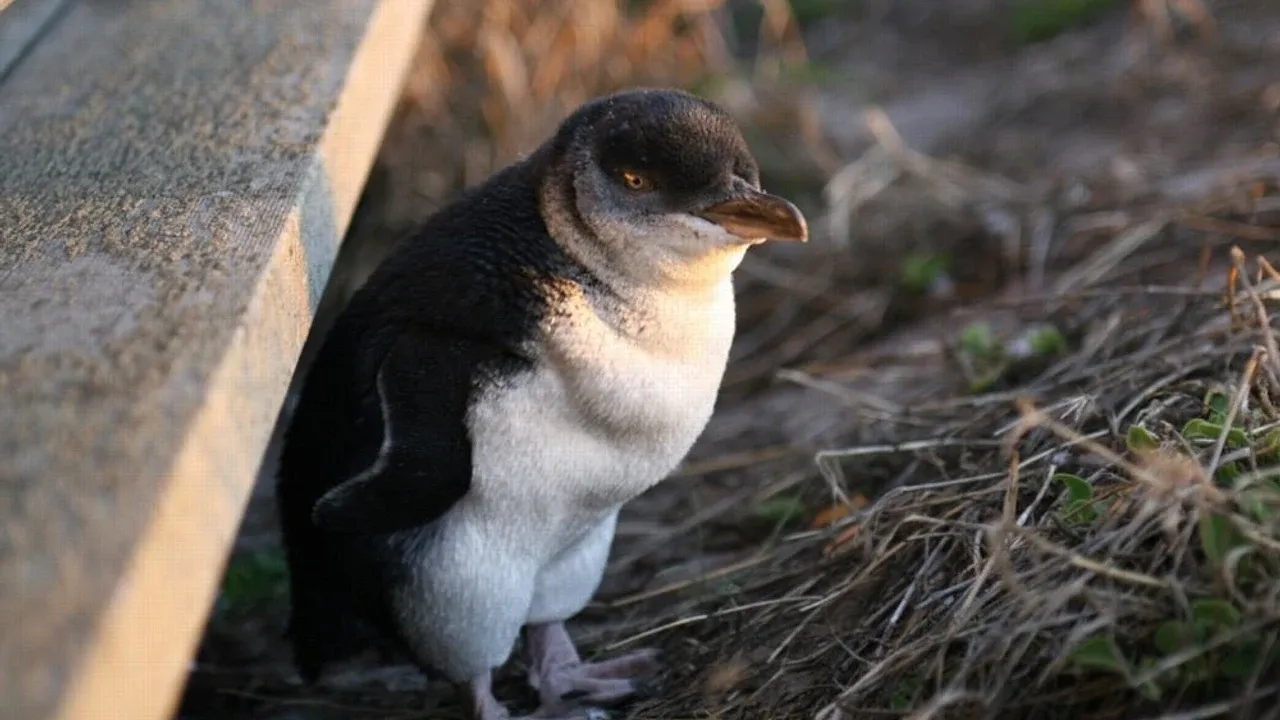
Little penguins time their return to the fading light, often wait together offshore and cross exposed ground after sunset. Long-term monitoring reveals that the Moon can shift the schedule too.
Australian Curiosity · Wildlife
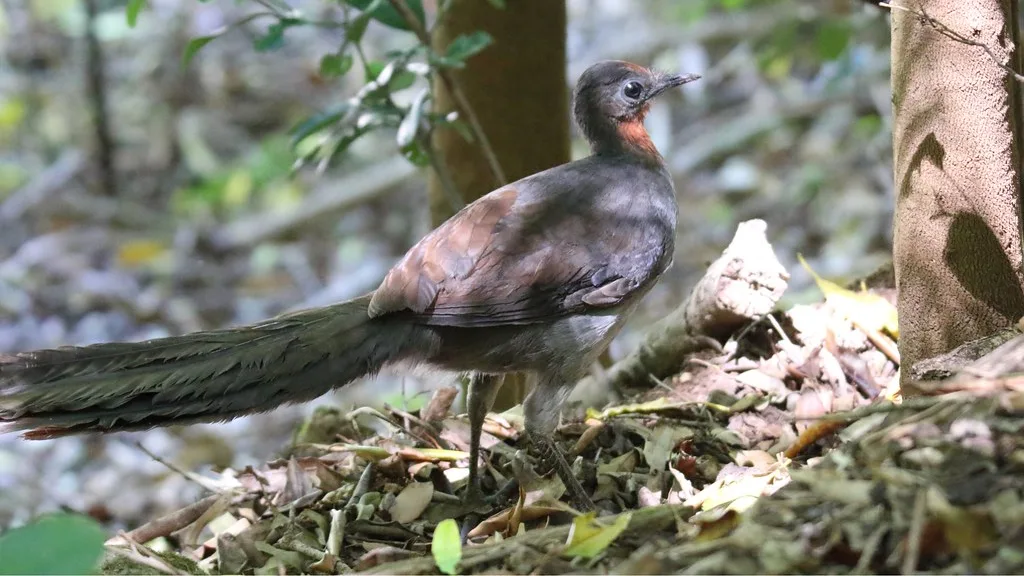
The viral chainsaw impression is only the beginning. Experiments show that a superb lyrebird can imitate another bird accurately enough to fool the species being copied.
World Explained · Wildlife
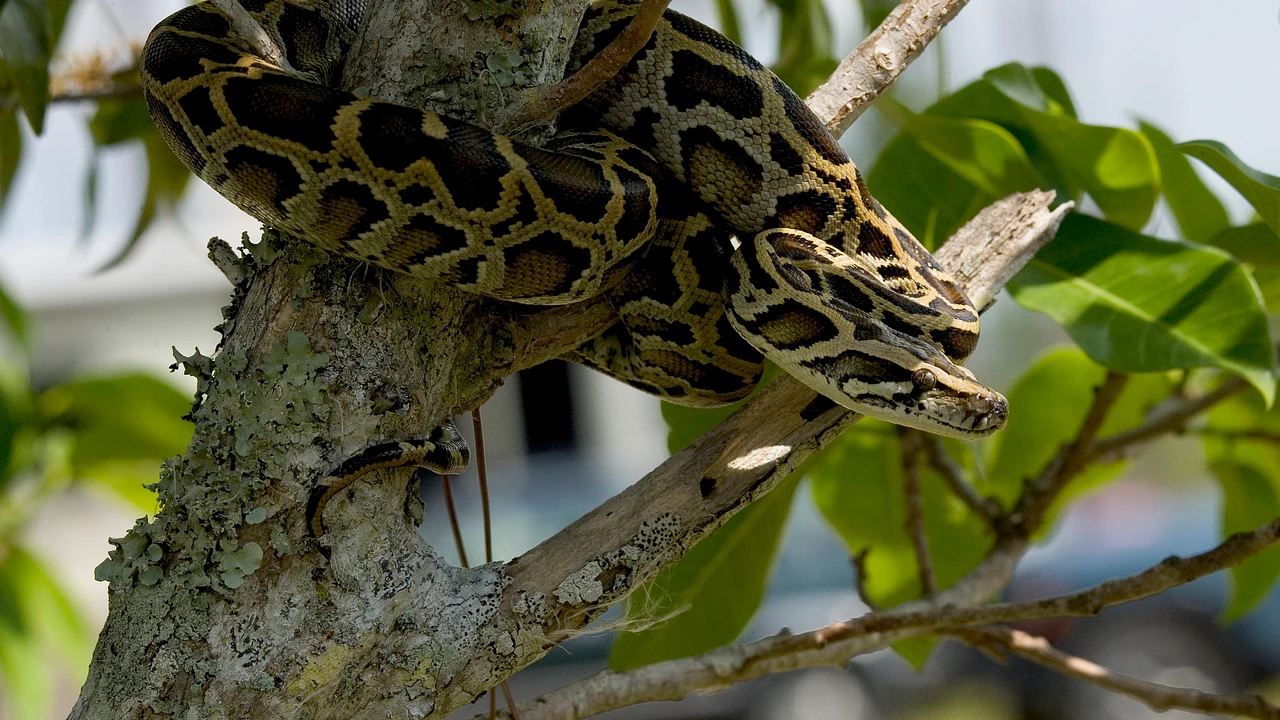
Burmese pythons are established across much of southern Florida, but their exact boundary and population remain difficult to measure. Here is what the evidence shows.
Australian Curiosity · Wildlife
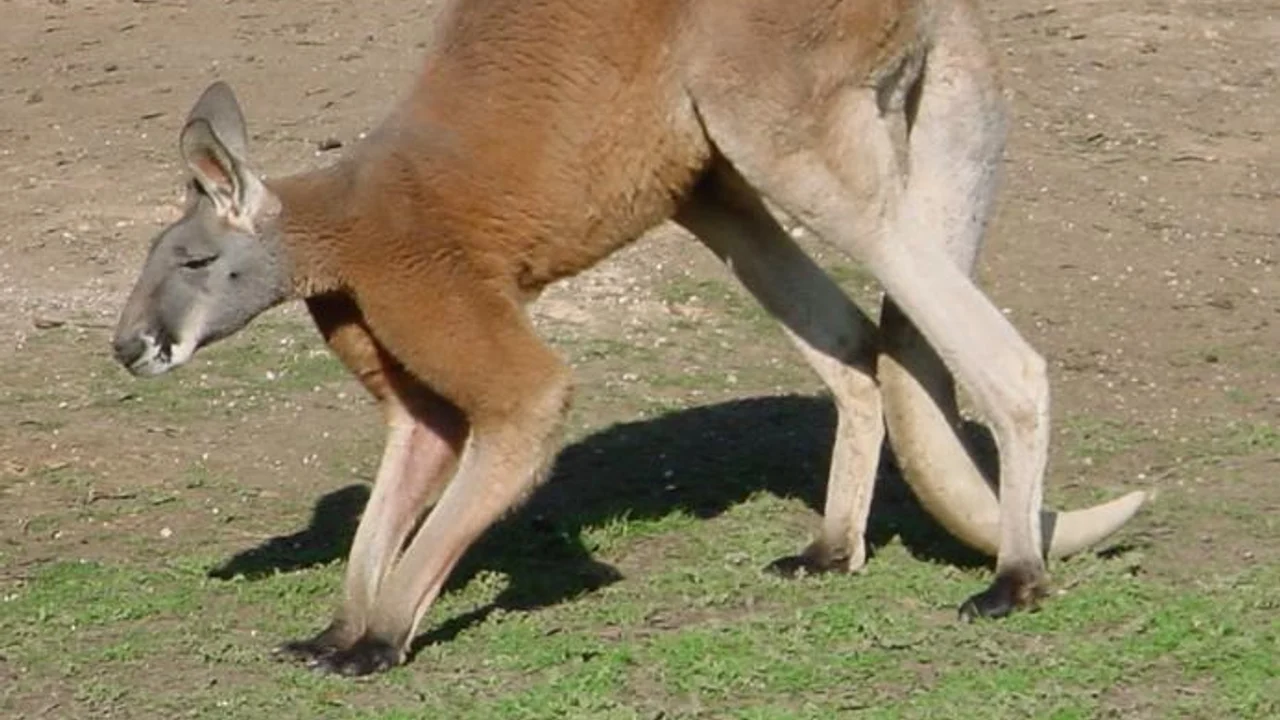
At a slow walk, a kangaroo plants its tail like a limb. Force measurements show it can push the animal forward as powerfully as all four legs combined.
World Explained · Wildlife
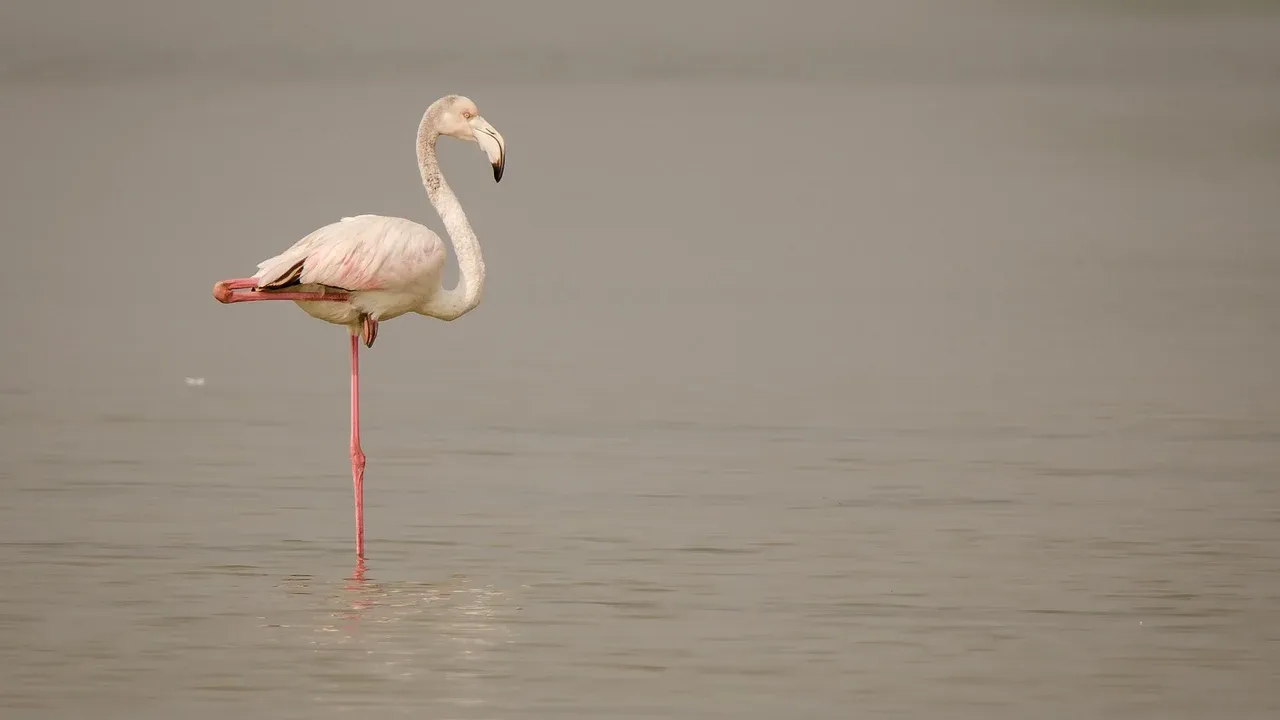
A flamingo can become more stable as it relaxes on one leg. Experiments show how gravity supports the pose and why temperature may influence it.
Australian Curiosity · Wildlife
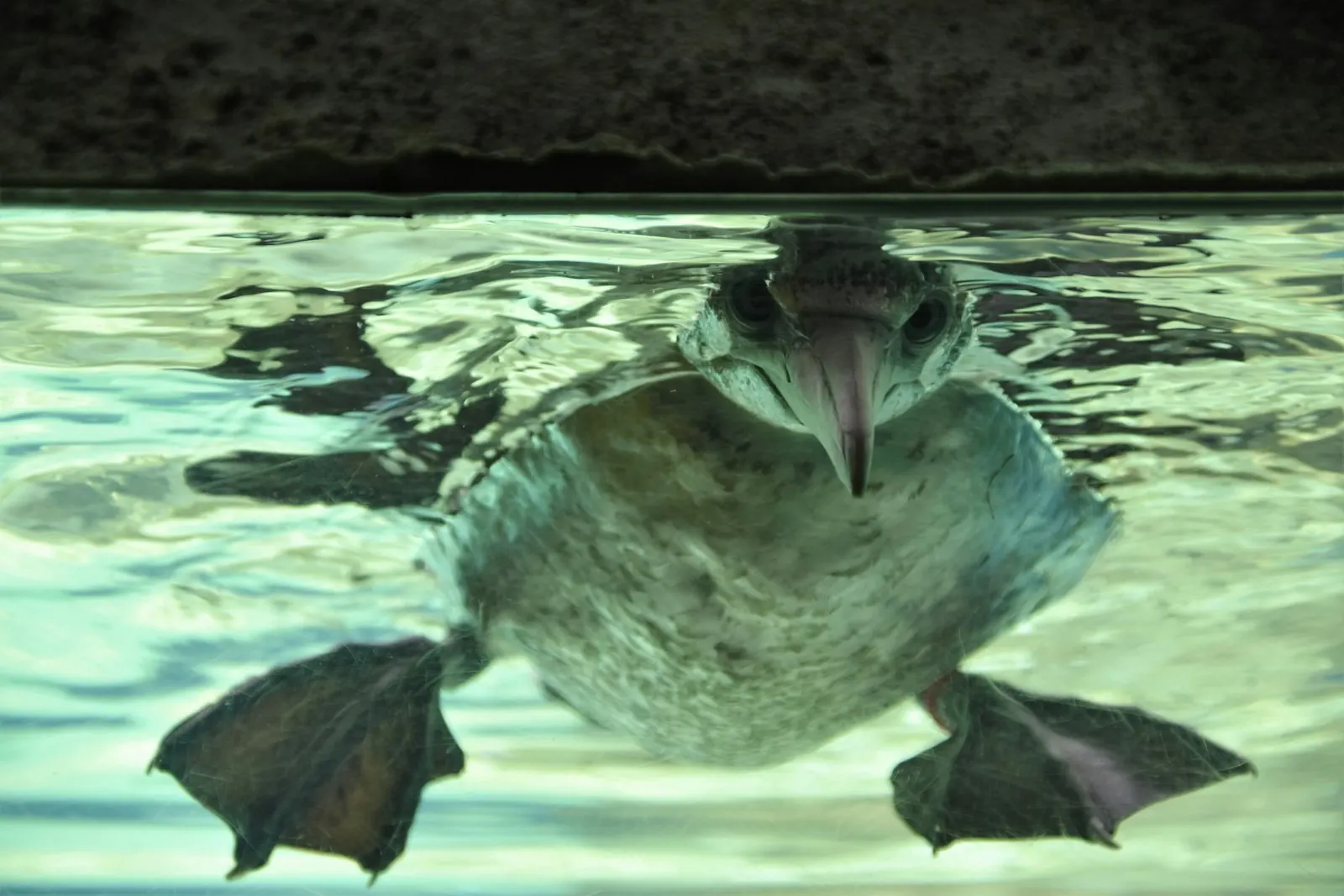
Underwater, a platypus closes its eyes, ears and nostrils and lets thousands of touch and electrical receptors in its bill guide the hunt.
Australian Curiosity · Wildlife
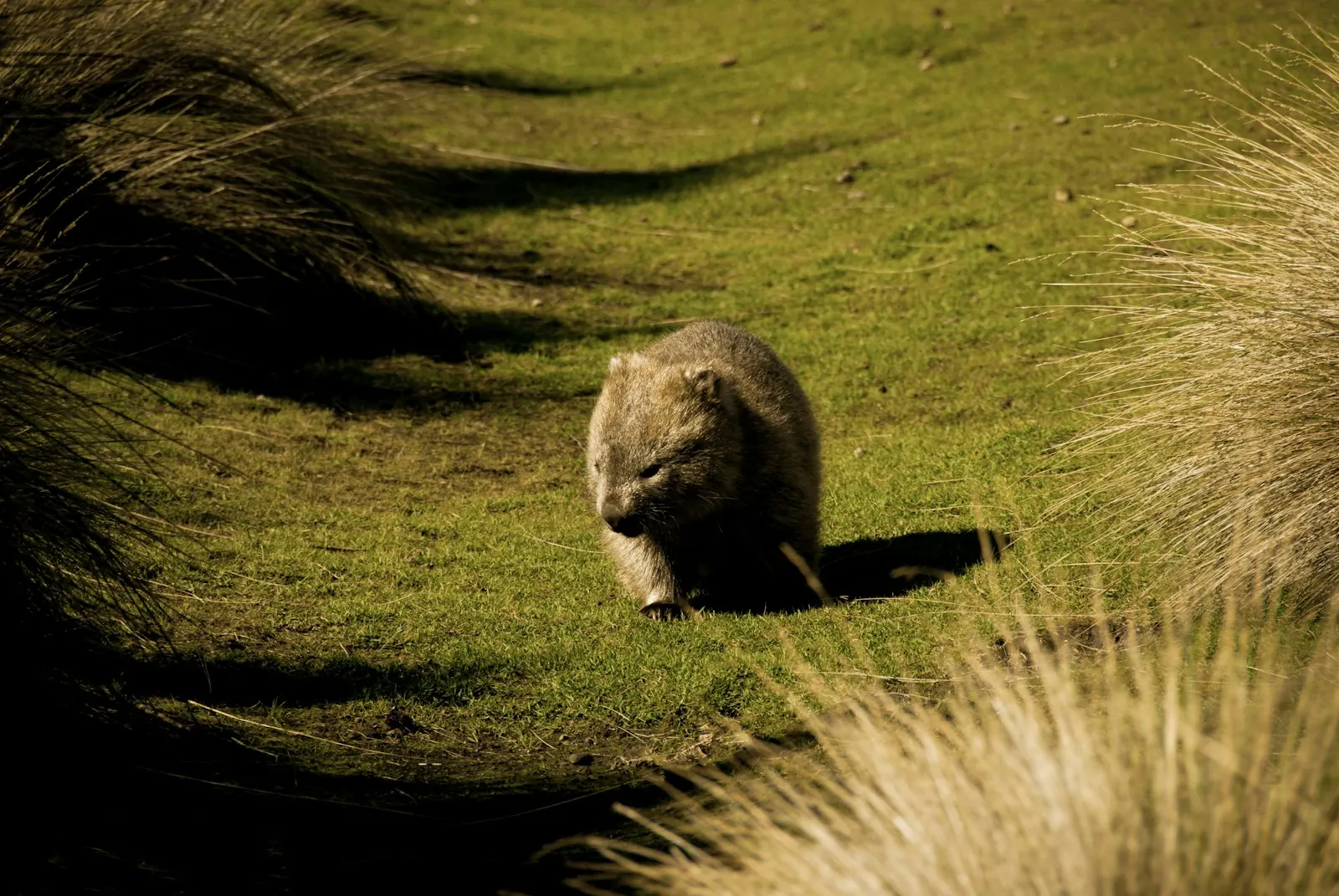
Wombat droppings really do develop flat faces and corners. Experiments show that the shape is moulded inside the final part of the intestine.
Australian Curiosity · Wildlife
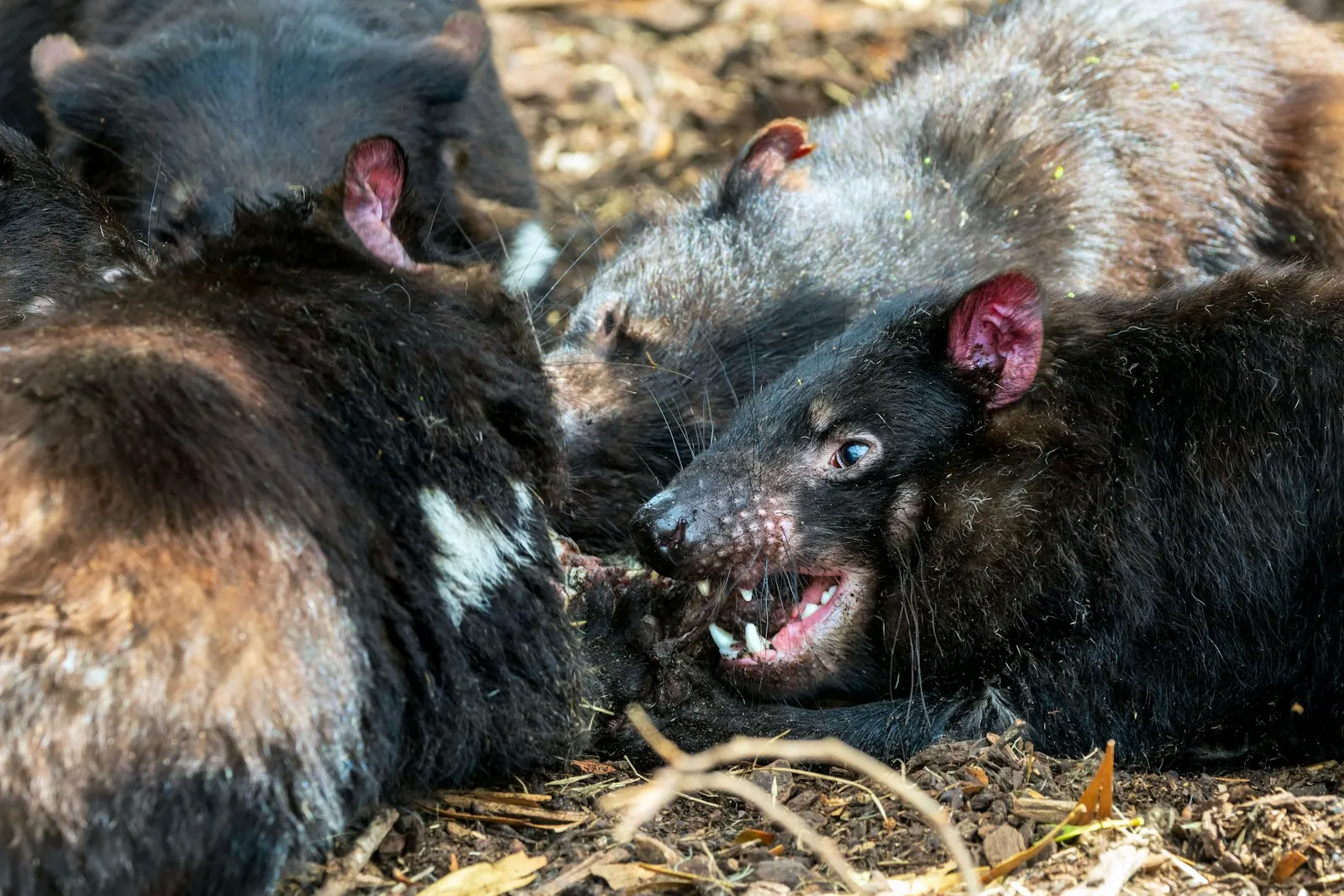
The Tasmanian devil's scream, toothy gape and night-time habits inspired a frightening name, but its behaviour and conservation story are more complicated.