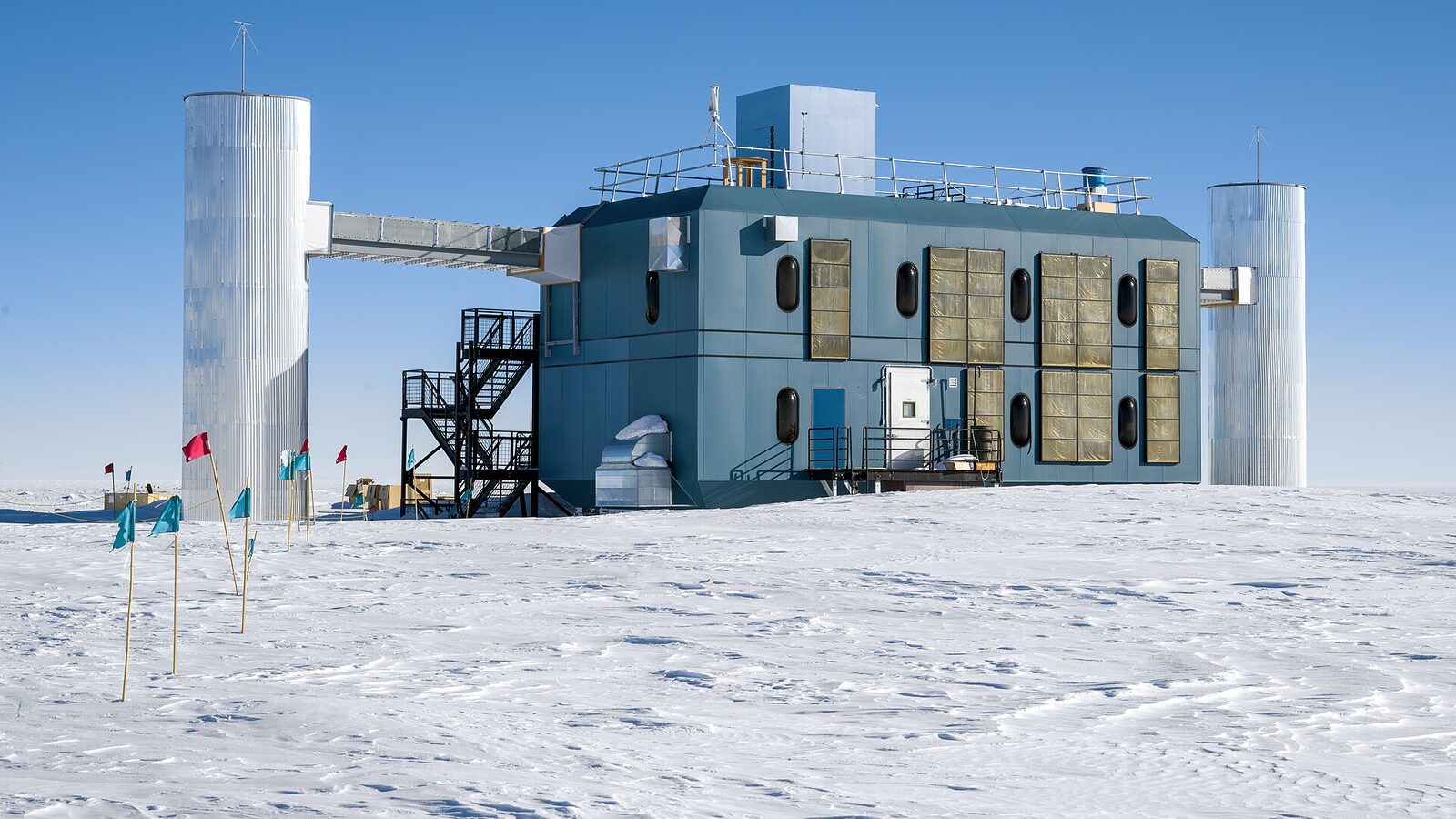
Neutrinos pass through Earth almost unnoticed. When one rarely strikes Antarctic ice, charged debris can outrun light in ice and leave a blue Cherenkov cone.
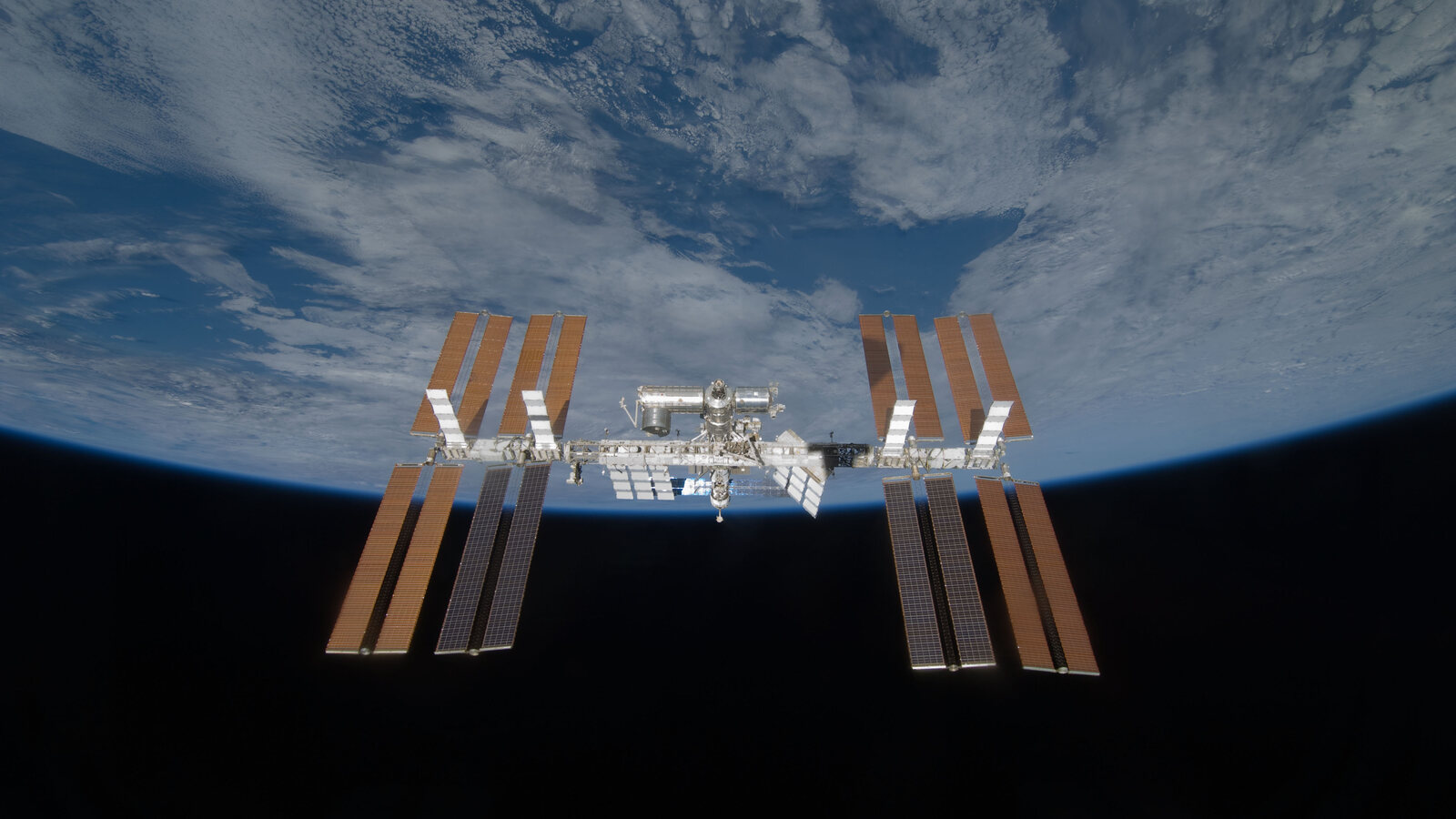
The ISS is not beyond gravity. It falls continuously while moving sideways fast enough to keep missing Earth, and occasional reboosts counter atmospheric drag.
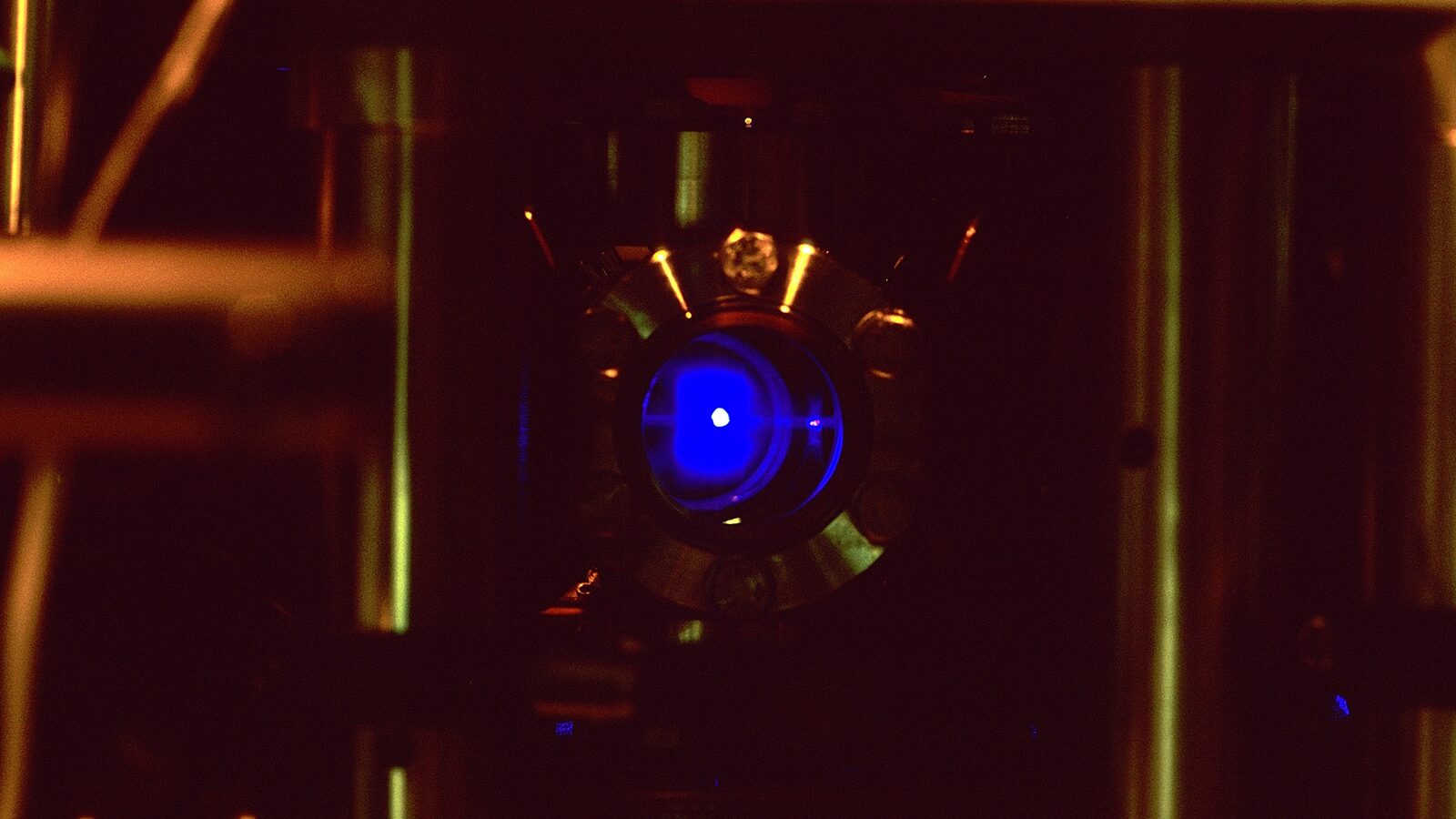
Gravity changes the rate of time. Optical clocks can now resolve that change across a millimetre-high cloud of atoms, turning timekeeping into a height sensor.
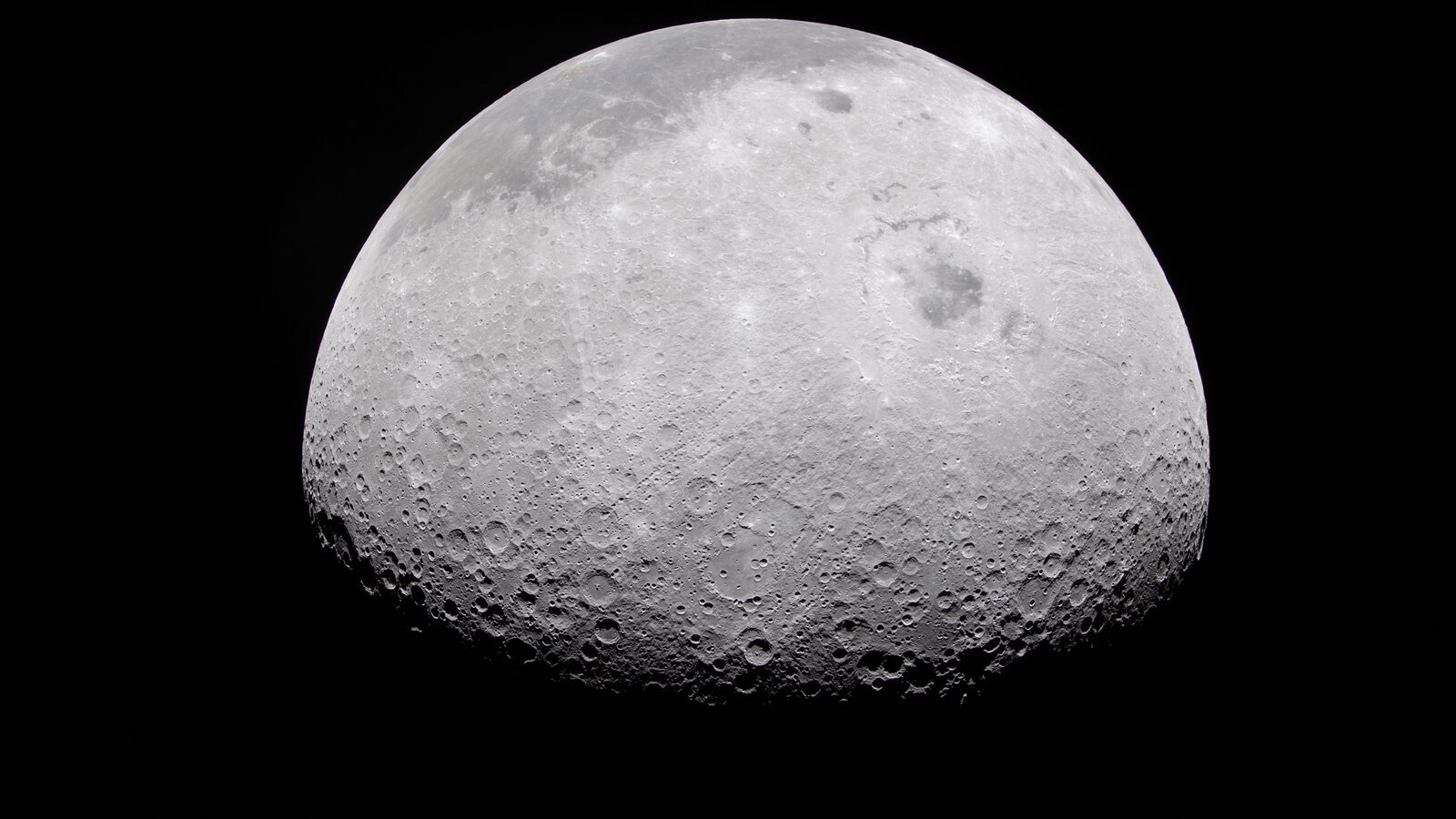
NASA expects a spent Falcon 9 stage to make a roughly 18-metre lunar crater on 5 August. The impact is local, harmless to Earth and scientifically useful.